






 Our #1 Top SellerIdeal for Daily Use
 Premium Quality BeddingSoft and Comfortable
 Premium Quality BeddingLarge Urine Absorption
 AFFORDABLE PRICECHANGE DAILY AS NEEDED
 Sleek, Stylish and Affordable Watch
 Multi-Function Watch with Numerous Features
 Recommended watch for teens and adults
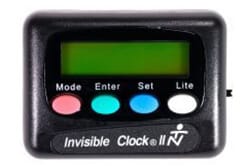 Perfect for medication and other reminders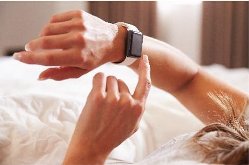







When a child struggles with bedwetting, parents are often faced with a crucial decision: what is the best path to dry nights and a confident child? The two most common interventions, bedwetting alarms and medication, offer vastly different approaches. While medication might seem like a quick fix, it often only masks the problem, managing symptoms without addressing the root cause. A Bedwetting Alarm, on the other hand, is a learning tool that empowers the child, training their brain to recognize and respond to their body’s signals. This behavioral approach not only has a higher success rate but also offers a true, long-lasting cure with no side effects. Understanding the different types of alarms available is the first step toward finding the perfect solution for your child’s unique needs.
The Science Behind Bedwetting Alarms
At its core, a bedwetting alarm is a device that uses conditioning to teach the brain to wake up when the bladder is full. This is a crucial connection that, for various reasons, may be delayed in some children. The alarm consists of two main components: a moisture sensor and an alarm unit. The sensor, which is either attached directly to the child’s underwear or placed on a mat on the bed, detects the first drop of urine. This immediately triggers the alarm—a combination of sound, vibration, and sometimes light—which wakes the child. Over time, the child’s brain begins to associate the sensation of a full bladder with the alarm, and eventually, they learn to wake up before the alarm even sounds. This is the key to how to stop bedwetting permanently. It’s not about punishment or a quick fix; it’s about building a natural, physiological response.
The market offers a variety of Bedwetting Alarms to suit different needs and preferences, and understanding these options is key to choosing the most effective tool. The main categories include wearable alarms, bedside alarms, and wireless alarms, each with its own set of features and benefits.
Wearable Alarms: Discreet and Effective
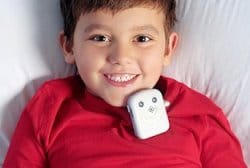
Wearable alarms are the most common and popular choice, especially for children. These alarms consist of a small sensor that clips onto the child’s underwear and a small alarm unit that is pinned to their pajama top. The two are connected by a discreet cord. When the sensor detects moisture, the alarm unit, which is close to the child’s ears, goes off. This proximity makes it highly effective, even for deep sleepers.
Wearable alarms are excellent for their portability and ease of use. They can be worn at home, on vacation, or at sleepovers, providing consistent training. Many models come with features like multiple alarm tones to prevent the child from getting used to one sound, as well as vibration modes for a more discreet alert. They are a fantastic choice for most children and are often the first line of defense in the journey to dry nights. You can find a wide variety of bedwetting alarms for children that are designed to be comfortable and child-friendly.
Bedside Alarms: Comfort and Convenience
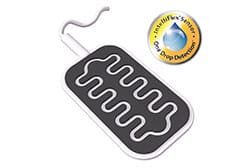
For children who are uncomfortable with the idea of wearing a sensor and alarm on their body, bedside alarms are an excellent alternative. These alarms use a large, comfortable mat that is placed under the child’s bedsheet. The mat is covered with moisture-sensing wires, and when it detects urine, it sends a signal to an alarm unit that sits on the bedside table.
Bedside alarms offer a larger detection area, which can be beneficial for children who move around a lot in their sleep. They are also a great option for children with sensory sensitivities who might be bothered by a wearable alarm. The alarm unit is typically larger and can offer louder sounds and stronger vibrations, making it a powerful tool for very deep sleepers. This type of alarm is also a popular choice among bedwetting alarms for teens, who may prefer the comfort and discretion of a mat-based system.
The Clear Advantage Over Medication
While medication can provide a temporary solution by reducing urine production or relaxing the bladder, it does not teach the brain anything. The moment the medication is stopped, the bedwetting often returns because the underlying issue—the brain’s inability to recognize the bladder’s signals—has not been addressed. Furthermore, medication can come with a range of side effects, from dry mouth and dizziness to more serious concerns.
Bedwetting alarms, in contrast, are a completely safe and drug-free solution. They are a one-time purchase that provides a permanent cure. The success of the alarm is a direct result of the child’s own learning process, which builds confidence and a sense of accomplishment. The journey to dry nights is a partnership between the child, the parents, and the alarm, and the end result is a skill that will last a lifetime. Choosing a bedwetting alarm is not just about stopping the wet beds; it’s about investing in your child’s long-term well-being and confidence.
Related Articles
Why Pediatricians & Urologists Recommend Bedwetting Alarms First
Bedwetting Alarms: The Proven Solution for Nighttime Dryness
Bedwetting Alarms: Restoring Confidence in Children Who Experience Bedwetting