
Bedwetting Alarms for Deep Sleepers
When a child, teenager or adult sleeps through an alarm, the solution is not simply “make it louder.” Learn how alert type, sensor placement, caregiver response and complete waking work together.
The deep-sleeper response system
Why Some Sleepers Do Not Wake to a Bedwetting Alarm
Families often describe a person who does not respond to voices, ordinary alarm clocks or a bedwetting alarm as a deep sleeper. Sleep depth is only one part of the problem. The alert may activate late, the wearable unit may be covered by bedding, the vibration may not reach the body effectively or the sleeper may partly wake and silence the device without remembering.
The first nights do not prove whether alarm training can work. Many children and teenagers require active caregiver help before they begin responding independently. Adults may need an agreed backup from a partner. The training sequence depends on waking completely enough to go to the bathroom and reset the equipment.
Which Alarm Features Matter for Deep Sleepers?
The strongest alarm is not automatically the best alarm. Comfort, sensor security, cleaning, false-alarm rate and the sleeper’s willingness to use it every night are equally important. Compare the complete system instead of choosing only by advertised volume.
Early Detection Begins With Correct Sensor Placement
A wearable moisture sensor should be placed where the first drops are expected, following the manufacturer’s directions. If it is clipped too far from the wetness point, the alarm may sound only after significant urination has occurred. Thick absorbent underwear can also delay moisture reaching the sensor.
A bedside sensing mat must cover the likely wetting area and remain in the correct position despite movement. Follow instructions about whether the mat belongs above or beneath the sheet. Extra absorbent layers over the sensing surface may delay activation. Test the system before bed using the approved method in the product instructions.
Secure routing matters. A wearable alarm unit should not be buried under a pillow or heavy bedding if that reduces sound. Cords and clips must be positioned safely and comfortably. Never improvise electrical connections or alter a product to increase its volume.
The Caregiver’s Role During Early Alarm Training
The caregiver should avoid carrying a sleeping child to the bathroom or handling every step while the child remains asleep. The purpose is to build participation in the waking sequence. Assistance can gradually decrease as the sleeper begins responding faster and more independently.
Agree on the waking method before bedtime. A child may respond to their name, sitting up and a light touch. A teen or adult should have control over what assistance feels respectful. Safety comes first when the sleeper is confused or unsteady.
Rehearse the Alarm Routine While Awake
A daytime rehearsal makes the sound and controls familiar. Attach or place the sensor, activate the test correctly, have the sleeper turn off the alarm, walk to the bathroom and reset it. Repeat the sequence several times without creating fear or competition.
Place the caregiver close enough to hear the alarm during the first stage. Keep the route to the bathroom clear and use a safe night-light. Prepare dry clothes and layered mattress protection so cleanup does not become a long, emotional event.
Consistency matters. An alarm used only on convenient nights cannot create the same repeated learning opportunity as a stable routine. If the household needs a short planned break because of illness or travel, resume with the same setup rather than changing multiple variables at once.
Troubleshooting When the Sleeper Still Does Not Wake
Change one variable at a time so you know what helped. Replacing the device every few nights can hide a placement or response problem. If correct use produces no meaningful improvement, consult a healthcare professional and review whether alarm training is appropriate.
Signs the Deep Sleeper Is Beginning to Respond
Dry nights are not the only evidence of progress. The wet area may become smaller, the alarm may occur later, the sleeper may move or speak sooner, or the caregiver may need less prompting. Eventually, the sleeper may wake to the alert or wake before wetting begins.
Use a brief neutral record of alert time, wetness, waking response and completion of the bathroom routine. Praise behaviors the person controls. For children, avoid reward systems that make a wet night feel like failure. For teens and adults, protect the privacy of all records.
When Deep Sleep and Bedwetting Need Medical Review
Very difficult waking combined with loud snoring or breathing pauses may warrant discussion of sleep quality. A clinician can also assess bladder, bowel, medication and health factors. Learn more in our Bedwetting Learning Center, guidance by age, complete alarm guide, children’s alarm guide and teen alarm guide.
Bedwetting Alarms to Compare for Deep Sleepers
These four alarms illustrate multi-alert wearable and bedside approaches. The response plan, sensor placement and nightly consistency remain essential.
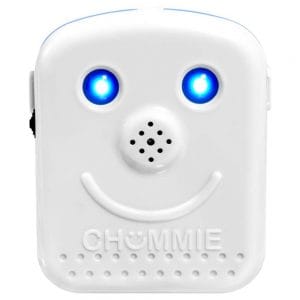
Chummie Premium
Sound, vibration and light alerts provide several waking cues.
View Alarm
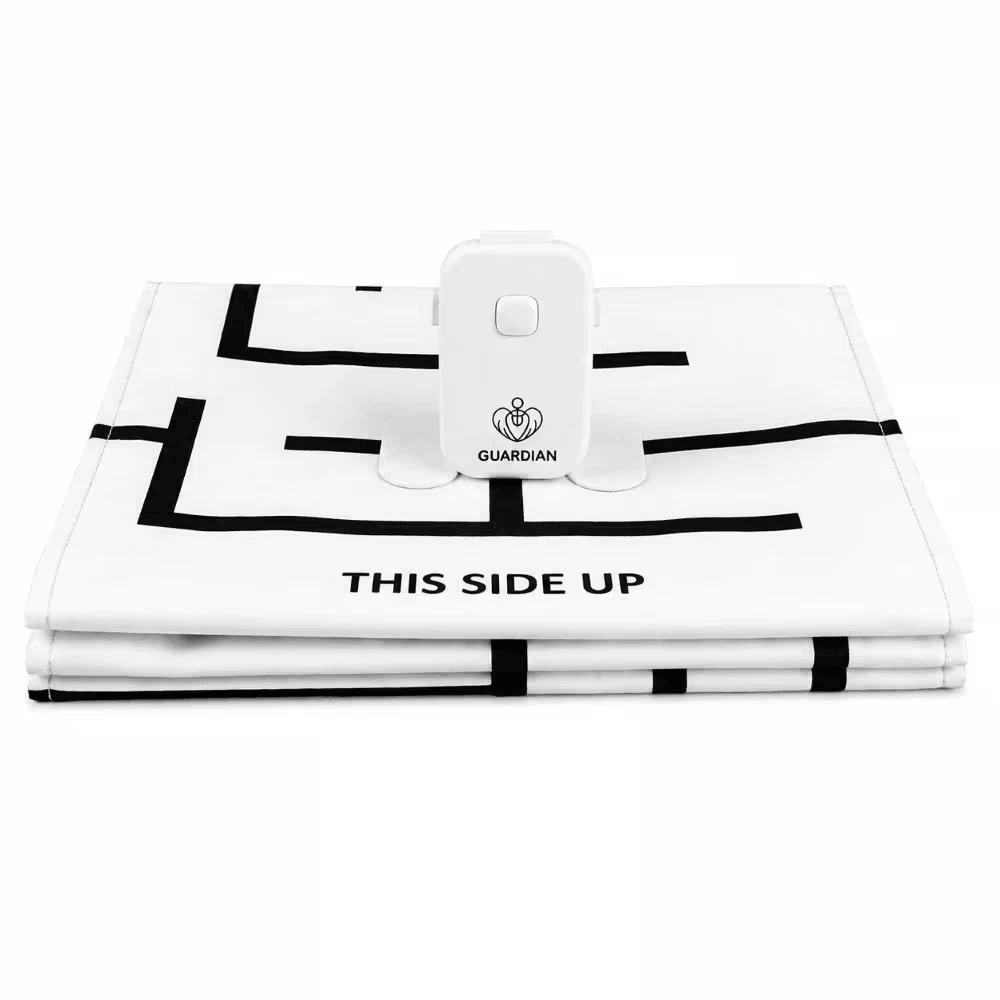
Guardian Bedside Alarm
A bedside alarm with disposable sensing mats and strong alert modes.
View Alarm
Smart Bedwetting Alarm
A straightforward wearable choice to compare for routine and comfort.
View Alarm