
Bedwetting Alarms: How They Work and How to Choose
A practical, evidence-informed guide to moisture detection, wearable and bedside designs, nightly training, deep sleepers and the features that matter when comparing a bedwetting alarm.
What Is a Bedwetting Alarm?
A bedwetting alarm is a training device that responds to urine at the beginning of a wetting episode. A small moisture sensor is placed near the expected point of wetness or incorporated into a bedside mat. When moisture completes the sensor circuit, the connected alarm unit produces an alert. Depending on the model, that alert may include a tone, vibration, flashing light or several signals together.
The device works differently from absorbent underwear or mattress protection. Protective products manage wetness and simplify cleanup; an alarm creates an immediate event that the sleeper and caregiver can act upon. The repeated sequence—detect, wake, finish urinating in the bathroom, clean or replace the sensor and reset the unit—is the core of alarm training.
A bedwetting alarm does not force the bladder to mature overnight, and it cannot diagnose the cause of nocturnal enuresis. It provides a consistent cue intended to strengthen the connection between bladder sensations, waking and bathroom use. Families often see gradual signs of learning before completely dry nights become consistent.
Why Bedwetting Alarms Are Used
Nighttime dryness depends on several processes working together. The bladder needs enough functional capacity, nighttime urine production needs to remain manageable, and the brain must recognize a full-bladder signal strongly enough to wake. Children develop these abilities at different rates. Genetics, constipation, sleep patterns and daytime bladder symptoms can also contribute to bedwetting.
Alarm training focuses specifically on the waking response. When used appropriately, the device alerts as soon as wetness begins rather than waiting until morning. The user is then guided through the same response every time. Some families choose an alarm because they want an active training approach rather than management alone. Others consider it after a healthcare professional has reviewed the child’s symptoms and recommended a structured plan.
Wearable and Bedside Bedwetting Alarms
The two broad designs are wearable alarms and bedside alarms. Both detect moisture, but they differ in sensor placement, comfort, setup and cleaning. Choosing between them should begin with the person who will use the system—not with a claim that one format is universally superior.
Wearable alarms
A small sensor clips to underwear or is positioned close to where the first moisture is expected. A wire may connect the sensor to an alarm unit attached near the shoulder, or the components may be integrated differently depending on the product.
Wearable systems can detect moisture quickly because the sensor is close to the source. They are compact and travel easily. The tradeoff is that the user must be comfortable wearing the sensor, route any cord correctly and clean the sensor after wetting.
Bedside alarms
A bedside design detects wetness through a mat or pad placed on the bed. The sleeper lies above the sensing area while the alarm unit remains nearby. Some systems use reusable pads, while others use replaceable sensing mats.
Bedside systems appeal to users who dislike attaching a sensor to clothing. Correct mat placement is important, and families should compare sensing area, false-alarm risk, washing or replacement requirements and whether the alert can be heard from the caregiver’s room.
| Consideration | Wearable alarm | Bedside alarm |
|---|---|---|
| Sensor location | Attached to underwear or positioned near the expected wetness point. | Placed on or beneath the sheet according to the manufacturer’s instructions. |
| Early detection | Usually close to the first drop when correctly positioned. | Depends on the sleeper’s position, mat coverage and sheet layers. |
| Comfort | Requires accepting a clothing sensor and sometimes a cord. | No clip on the underwear, but the user lies over a sensing area. |
| Maintenance | Sensor and affected clothing must be cleaned and dried. | May require pad washing or replacement of disposable mats. |
| Travel | Typically compact and easy to pack. | May require more space for the mat, cord and bedside unit. |
Bedwetting Alarm Features That Actually Matter
Product pages often emphasize the number of tones, colors or accessories. Those details may be useful, but the most important question is whether the alarm can detect promptly, produce an appropriate alert and be reset correctly every night. A long feature list cannot compensate for unreliable sensing or a routine the family cannot maintain.
- Moisture sensitivity: The sensor should respond to early wetness without frequent false alarms from sweat or damp hands.
- Alert combination: Sound, vibration and light may be useful for different sleepers and household arrangements.
- Volume and tone: The alert must be noticeable, but louder is not automatically better if the child sleeps through it.
- Two-step shutoff: A more deliberate reset may discourage turning the alarm off while still asleep.
- Sensor comfort: The clip, cord and alarm unit should not pull, scratch or make sleep unnecessarily difficult.
- Ease of cleaning: Families should be able to clean, dry and reset the system without complicated nightly work.
- Low-battery warning: A clear indicator helps prevent nights when the device is worn but cannot alert reliably.
- Durability and instructions: Strong clips, secure connections and understandable guidance support consistent use.
How to Choose the Right Bedwetting Alarm
Begin with age, motivation, sleep depth and comfort. A younger child may need a simple wearable design and substantial caregiver involvement. A teenager may prioritize privacy, a discreet appearance and independent reset. An adult should discuss new or persistent bedwetting with a healthcare professional before treating it as a product-selection problem.
Consider where caregivers sleep. If a child is unlikely to wake to the alarm independently, a parent must be able to hear it or use an appropriate remote-monitoring arrangement offered by the product. Strong vibration may be useful when sound alone is not enough, but deep sleepers usually still require hands-on help at the beginning.
Think through maintenance before buying. Can the sensor be rinsed and dried quickly? Does a mat need daily washing? Are disposable refills required? Is the cable long enough for the intended setup but short enough to route safely? The best alarm is one that fits the household’s actual routine for many consecutive nights.
How to Set Up and Use an Alarm Correctly
Read the product instructions before the first night. Test the sensor with a small amount of water so both the child and caregiver know the alert and shutoff procedure. Place the sensor exactly where the first moisture is most likely to occur. For wearable alarms, this is generally on close-fitting underwear rather than loose pajamas. For bedside systems, follow the specified sheet and mat arrangement.
Before sleep, use the bathroom, connect and test the device, arrange clean clothing and prepare a simple bedding change. When the alarm activates, wake the child fully. Have the child turn off the alarm as instructed, walk to the bathroom, finish urinating, change, clean or replace the sensor and reset the system. The child should participate at an age-appropriate level without cleanup being framed as punishment.
Do not restrict healthy daytime hydration in an attempt to manufacture a dry night. Encourage regular bathroom use and address constipation with professional guidance. Evening fluid timing may be discussed with a clinician, especially when a child participates in sports, takes medication or has another medical need.
Using a Bedwetting Alarm With a Deep Sleeper
Deep sleepers may not wake when the alarm first sounds. This does not mean the device has failed. It means a caregiver may need to become the bridge between the alert and the waking response. Go to the child promptly, wake them completely and guide them through the bathroom and reset routine. Simply switching off the alarm while the child remains asleep removes the learning step.
Parents sometimes look for the loudest possible alarm, but volume alone is not the solution. A combination of sound, vibration and light may provide multiple cues. Changing tones can reduce familiarity for some users. More important, however, is a reliable caregiver response and correct moisture detection. Review our alarm guidance for deep sleepers as that page becomes available.
How Long Does Alarm Training Take?
There is no single timetable. Some families notice meaningful changes within a few weeks, while consistent dryness may take longer. Progress should not be measured only as “wet” or “dry.” Smaller wet patches, fewer alerts, wetting later in the night, waking faster, stopping the urine stream sooner or beginning to wake before the alarm can all indicate that the response is changing.
Keep a simple record of the alert time, approximate wetness, whether help was needed and whether the routine was completed. Use the record to identify patterns, not to shame the child. If there is no meaningful change despite correct, consistent use, review sensor placement and technique, then discuss the situation with a healthcare professional.
Common Problems and Troubleshooting
The alarm does not sound
Check the batteries, connections and sensor test recommended by the manufacturer. Make sure the sensor is placed at the first likely point of wetness. A sensor positioned too high, attached to loose pajamas or insulated by thick fabric may activate late or not at all.
The alarm sounds when the sensor is dry
False alarms can result from sweat, a sensor that was not dried completely, damp fingers during setup or residue left after cleaning. Follow the cleaning instructions and allow the sensor to dry before reconnecting. Do not use harsh cleaners unless the manufacturer explicitly permits them.
The child sleeps through every alert
Plan for caregiver assistance rather than repeatedly increasing volume. Place the caregiver within hearing range, respond promptly and wake the child fully. A vibration-enabled model may add another cue, but the complete response matters more than the number on a volume scale.
The family is exhausted
Simplify the bedding layers, keep replacement clothing nearby and divide caregiver duties where possible. Choose a reset and cleaning routine that can be completed efficiently. If the plan is causing severe sleep disruption or conflict, pause and seek individualized advice rather than turning alarm use into a nightly battle.
When an Alarm Should Not Be the Only Step
Contact a healthcare professional when bedwetting:
Returns after months of dry nights; occurs with pain, burning, blood-colored urine, unusual thirst, weight loss, constipation, loud snoring, daytime urgency or daytime accidents; or begins or persists in an adult. These symptoms deserve evaluation rather than being managed only by changing alarm brands.
Medical sources note that bedwetting is often developmental and not a sign of poor toilet training. They also advise evaluation when wetting returns after a dry period or occurs with concerning symptoms. A clinician may review bladder and bowel habits, sleep, family history and other health factors before recommending a plan.
For a broader explanation of causes and management, visit our Bedwetting Learning Center. To compare individual devices, continue to our best bedwetting alarms guide and editorial alarm reviews.
Examples of Bedwetting Alarm Designs
Compare several wearable formats to see how size, appearance and alert combinations can differ.
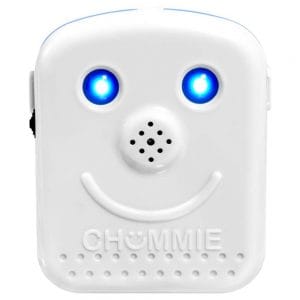
Chummie Premium
A wearable option with sound, light and vibration alerts for users who need a strong multi-alert response.
View Alarm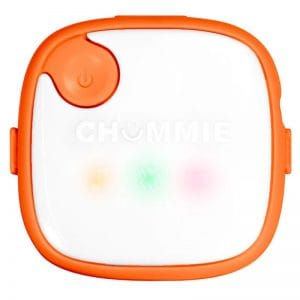
Chummie Elite
A compact child-friendly wearable designed for straightforward nightly setup and moisture detection.
View Alarm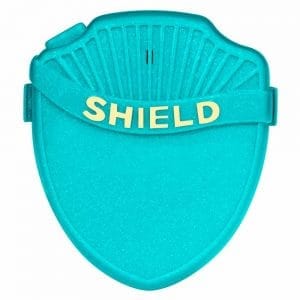
Shield Max
A lightweight clip-style alarm suited to users who prefer a smaller wearable alarm unit.
View Alarm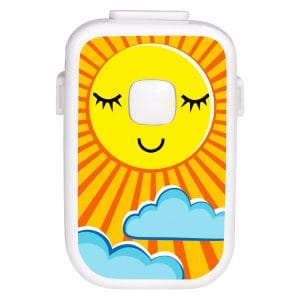
Smart Alarm
A colorful wearable design that can make alarm training feel more approachable for younger users.
View AlarmFrequently Asked Questions About Bedwetting Alarms
What does a bedwetting alarm do?
Which is better: a wearable or bedside alarm?
Will a bedwetting alarm wake a deep sleeper?
How quickly should a moisture alarm detect wetness?
How many nights should an alarm be used?
Can a child turn off the alarm and go back to sleep?
Should fluids be restricted when using an alarm?
Can an alarm be used with pull-ups?
Why does an alarm sometimes produce false alerts?
When should we speak with a doctor?
Choose the Guidance That Matches Your Situation
Alarm training works best when the device, response plan and family expectations fit the user. These focused guides answer the questions families commonly face before treatment, during the first weeks and after a setback.
Bedwetting Alarms for Boys
Selection, setup, confidence and nighttime routines for boys.
Bedwetting Alarms for Girls
Comfort, privacy, sensor placement and consistent training for girls.
Are Bedwetting Alarms Safe?
Cord, battery, sound, vibration, skin and responsible-use guidance.
When Bedwetting Returns
How to respond calmly, review possible causes and restart alarm training.
Alarm vs. Waking a Child
The difference between scheduled waking and moisture-triggered training.
Bedwetting Alarm FAQ
Clear answers about setup, timing, fluids, deep sleepers and progress.
Sleepovers, Camp & Travel
Private, practical preparation for nights away from home.
Continue comparing
See how individual devices differ in sensor design, alert modes, comfort and routine requirements.
Compare leading bedwetting alarms
Read editorial alarm reviews
Explore nighttime products and protection