
Find the Right Bedwetting Alarm for Drier Nights
Understand how bedwetting alarms work, compare popular options and explore editorial reviews created to help families make a more informed choice.
Understand. Compare. Choose.
Straightforward guidance for children, teenagers, adults and deep sleepers.
Find the Right Bedwetting Alarm
Bedwetting alarms are not one-size-fits-all. Explore options and guidance based on the age, needs and sleeping habits of the person using the alarm.

Children
Explore comfortable, easy-to-use alarms for children beginning nighttime bedwetting alarm training.
Alarms for children →
Teenagers
Compare discreet alarm options that provide teenagers with additional comfort, privacy and independence.
Alarms for teenagers →
Adults
Learn about wearable and bedside systems designed for adult comfort, convenience and discretion.
Alarms for adults →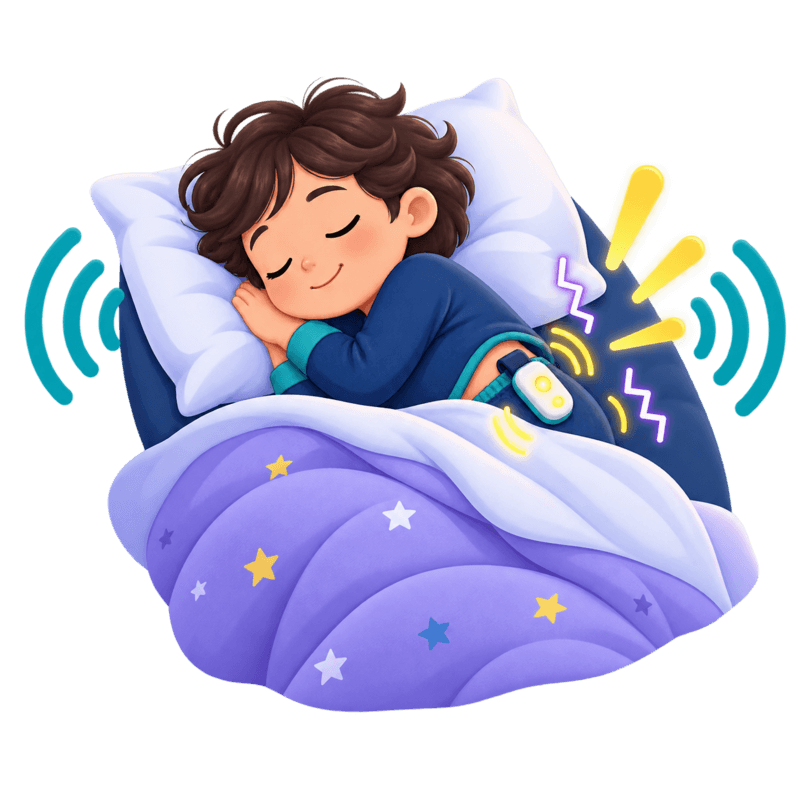
Deep Sleepers
Compare alarms using combinations of sound, vibration and light for sleepers who are difficult to wake.
Alarms for deep sleepers →How Does a Bedwetting Alarm Work?
A moisture sensor identifies wetness as it begins and activates an alert. With consistent use, the alarm can help connect the sensation of a filling bladder with waking and using the bathroom.
Detects Moisture
A wearable sensor or bedside mat detects the first signs of wetness and sends a signal to the alarm unit.
Activates an Alert
Sound, vibration, light or a combination of alerts prompts the sleeper to wake and finish using the bathroom.
Builds a Response
Repeated nightly use supports the process of recognizing bladder signals and responding sooner over time.
Bedwetting Alarm Reviews and Comparisons
Compare representative wearable and bedside systems, understand their strengths and determine which features may be most suitable for different sleepers.
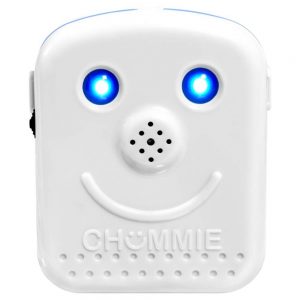
Chummie Premium
A wearable alarm offering combinations of sound, vibration and light in a compact design.
- Multiple alert options
- Wearable moisture sensor
- Designed for strong stimulation
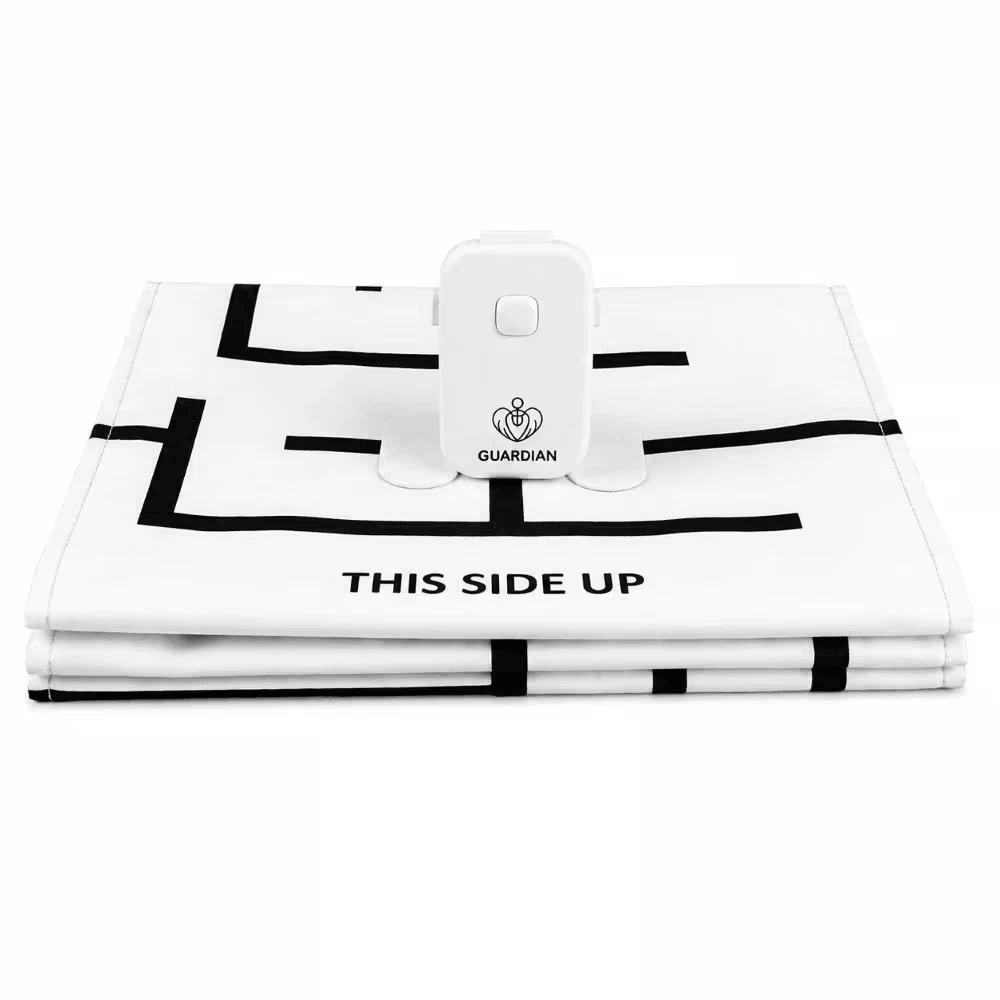
Guardian Bedside
A bedside alarm system intended for users who prefer a sensor mat instead of a wearable attachment.
- Bedside sensor format
- Wearable-free setup
- Suitable for older users
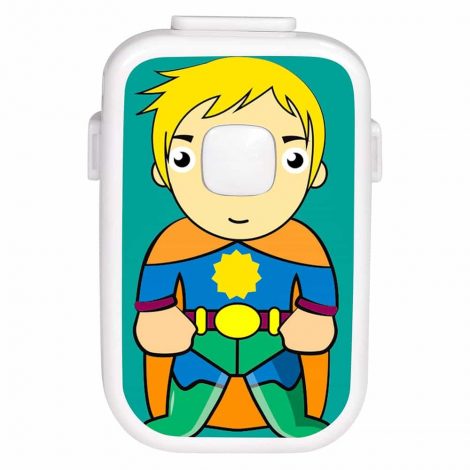
Best Bedwetting Alarms
See how popular alarm designs compare by alert type, sensor style, comfort, usability and intended sleeper.
- Wearable and bedside options
- Feature-by-feature comparisons
- Guidance by age and need
How We Review and Evaluate Bedwetting Alarms
Our editorial evaluations use a consistent set of criteria so readers can understand the practical strengths and limitations of different alarm designs.
Detection
Sensor design and moisture-detection approach
Alerts
Sound, vibration, light and adjustment options
Comfort
Wearability, sensor format and nighttime use
Usability
Setup, cleaning, reset and everyday operation
Value
Features, expected supplies and overall cost
Reviews and comparisons are editorial evaluations based on product specifications, available documentation, feature analysis and suitability for different users. Recommendations should not replace advice from a qualified healthcare professional.
Two Main Types of Bedwetting Alarms
Most alarms use either a wearable moisture sensor or a bedside sensing mat. Both are intended to detect wetness quickly, but the experience is different.
Wearable Bedwetting Alarms
A small sensor attaches near the underwear and connects to an alarm worn on the clothing or positioned nearby. Wearable alarms are compact and commonly selected for children.
Explore wearable alarms →Bedside Bedwetting Alarms
A moisture-sensitive mat rests on or beneath the bedding and connects to a separate alarm unit. Bedside systems may suit users who prefer not to wear a sensor.
Explore bedside alarms →Guides for Families and Alarm Users
Understand bedwetting, learn how alarm training works and find practical guidance for establishing a supportive nighttime routine.
What Is a Bedwetting Alarm?
Learn what an alarm does, who may use one and how it differs from absorbent products.
Read the guide →How to Use an Alarm
Follow the nighttime steps for positioning, testing, responding, cleaning and resetting.
Read the guide →Alarm Success Tips
Build a consistent and encouraging routine while avoiding common training mistakes.
Read the guide →Common Causes of Bedwetting
Explore factors associated with nighttime wetting and when medical advice may be appropriate.
Read the guide →Alarms vs. Pull-Ups
Understand the different purposes of active alarm training and absorbent nighttime protection.
Read the comparison →When to Consult a Doctor
Learn which symptoms, changes or concerns should be discussed with a healthcare professional.
Read the guide →Bedwetting Alarm FAQ
Detailed answers to common questions about choosing, setting up and using a bedwetting alarm successfully.
What does a bedwetting alarm do?
How long does bedwetting alarm training take?
Which bedwetting alarm is best for a deep sleeper?
Should I choose a wearable or bedside bedwetting alarm?
At what age can a child use a bedwetting alarm?
Are bedwetting alarms safe to use every night?
What should I do if the bedwetting alarm does not wake the sleeper?
Can teenagers and adults use a bedwetting alarm?
How should the moisture sensor be positioned and cleaned?
When should bedwetting be discussed with a doctor?
Practical Guidance Without Shame or Blame
Bedwetting is common, and it is not caused by laziness. Stop Bedwetting is designed to help families understand their options through clear education, structured comparisons and supportive guidance.
- Age-appropriate educational resources
- Transparent editorial evaluation criteria
- Guides for children, teenagers, adults and caregivers
- Clear reminders about when to seek medical advice
Ready to Compare Bedwetting Alarms?
Explore our complete reviews and comparisons to understand alarm features, sensor types and options for different ages and sleeping habits.
View the Best Bedwetting Alarms