
Bedwetting Alarms for Children
Learn when a child may be ready for alarm training, how parents can support the waking response and which comfort, sensor and alert features matter when choosing a bedwetting alarm for children.
Is your child ready to begin?
When Is a Child Ready for a Bedwetting Alarm?
Nighttime bladder control develops at different ages. Many younger children still wet the bed as part of normal development. An alarm may be considered when wetting is frequent, the child wants to become dry and the family can follow a consistent routine. Age alone does not determine readiness.
A child does not need to understand every biological detail, but should know that the alarm is a learning tool rather than a punishment. Explain that it will make a sound or vibration when the first moisture appears and that a parent may help them wake, visit the bathroom and reset the system.
Do not begin simply because an adult is tired of laundry. Forced alarm use can create resistance, embarrassment and conflict. If the child strongly refuses the sensor, is frightened by the alert or the household cannot respond consistently, address those barriers before starting.
How a Bedwetting Alarm Helps a Child Learn
A moisture sensor clips to underwear or is placed on the bed, depending on the design. When urine reaches the sensor, the alarm activates sound, vibration, light or a combination. The child is awakened and guided to finish urinating in the bathroom. After changing and cleaning or replacing the sensor, the alarm is reset.
The purpose is not merely to notify the parent of an accident. Repeating the moisture-alert-waking-bathroom sequence is intended to strengthen recognition of bladder signals during sleep. Early changes may include a smaller wet area, wetting later, waking faster or beginning to wake before the alarm.
Children who sleep deeply may not respond independently at first. A caregiver should go to the child promptly, wake them completely and guide the full sequence. Switching off the device while the child remains asleep eliminates the active learning response.
Features That Matter for Children
Colorful designs and stickers may improve acceptance, but appearance should not substitute for reliable moisture detection. Likewise, the number of tones is less important than correct placement and a family response plan.
Wearable or Bedside Alarm for a Child?
| Question | Wearable alarm | Bedside alarm |
|---|---|---|
| Where is the sensor? | Attached to underwear near the expected wetness point. | On a sensing mat placed on or beneath the sheet. |
| Child comfort | Requires accepting a clip and sometimes a cord. | No clothing sensor, but the child lies over the mat. |
| Detection | Close to the first moisture when positioned correctly. | Depends on mat placement, coverage and sheet layers. |
| Cleanup | Rinse and dry the sensor; change clothing. | Wash a reusable pad or replace a disposable mat. |
| Best fit | Children comfortable wearing a compact sensor. | Children who dislike equipment attached to clothing. |
Let the child participate in the choice. A technically impressive wearable system will not be useful if the child refuses the clip. A bedside alarm can be more comfortable for some users but may need careful positioning for children who move extensively during sleep.
A Parent-Supported Nighttime Routine
Practice during the day before the first night. Let the child hear the tones, feel the vibration and rehearse the shutoff. This makes the alert less frightening and helps everyone know what to do while sleepy.
Use waterproof mattress protection and a removable absorbent pad to reduce disruption. Avoid thick absorbent layers over a bedside sensing mat, and follow the manufacturer’s instructions when combining a wearable sensor with absorbent underwear.
Helping a Child Who Sleeps Through the Alarm
Do not conclude that the alarm has failed after several nights of caregiver-assisted waking. Many deep sleepers need direct help before they begin responding. Keep the caregiver within hearing range, respond quickly and verify that the child is truly awake rather than speaking or moving while asleep.
Combined sound, vibration and light may help, and changing tones can keep the signal noticeable. Nevertheless, the caregiver remains the most important early link. Read our deep-sleeper alarm guide when that specialized page is published.
How Long Should Children Use an Alarm?
Alarm training usually requires consistent nightly use over weeks rather than a few test nights. Families should follow the product instructions and any guidance from a healthcare professional. Keep a neutral record of alarm time, wetness amount, waking response and completion of the routine.
Reward behaviors the child controls: using the bathroom before bed, wearing the sensor, waking and walking to the bathroom, helping reset and recording the night. Do not make a dry night the only definition of success.
If no meaningful change occurs despite correct placement and consistent use, review the setup. Frequent false alarms, late detection, discomfort and failure to complete the wake-up routine can all interfere. Seek individualized advice rather than repeatedly switching products without understanding the problem.
When Parents Should Seek Medical Advice
A clinician may ask about daytime bathroom habits, bowel movements, sleep, family history, medications and prior dry periods. A simple bladder and bowel diary can help. Alarm selection should follow—not replace—evaluation when concerning symptoms are present.
For broader education, visit our Bedwetting Learning Center, bedwetting by age guide and complete bedwetting alarm guide.
Bedwetting Alarms to Compare for Children
These four wearable designs illustrate differences in alert combinations, appearance and size. Match the alarm to the child and family routine.
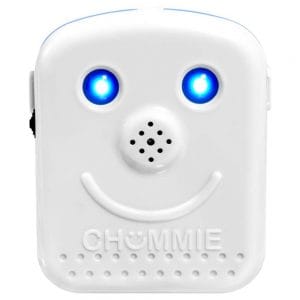
Chummie Premium
Sound, light and vibration in a wearable format with a deliberate response-oriented design.
View Alarm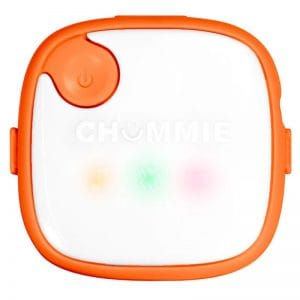
Chummie Elite
A compact child-oriented alarm for families wanting a straightforward wearable setup.
View Alarm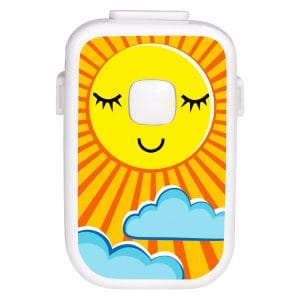
Smart Alarm
A colorful wearable example with multiple alerts and interchangeable visual styling.
View Alarm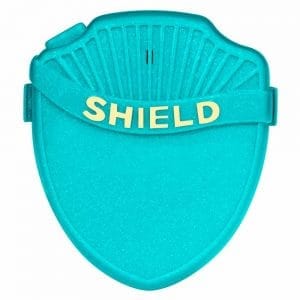
Shield Max
A wearable design combining tone, vibration and light in a compact alarm unit.
View Alarm