
Adult Bedwetting Alarms
Adult bedwetting should be addressed with dignity and appropriate medical guidance. Compare wearable and bedside alarms, build a manageable nighttime routine and understand when symptoms require professional evaluation.
Start with four priorities
Understanding Adult Bedwetting
Adult bedwetting, also called adult nocturnal enuresis, is involuntary urination during sleep. Some adults have experienced it since childhood, while others begin again after years of dry nights. The pattern, timing and accompanying symptoms matter because adult bedwetting may relate to bladder function, nighttime urine production, sleep disorders, constipation, medication effects, urinary infection, diabetes, neurological conditions, prostate issues or other medical factors.
Alcohol, sedating medications and severe sleep deprivation may make waking more difficult, but they do not explain every case. Avoid self-diagnosing from a single trigger. A careful history of dry periods, daytime symptoms, fluid patterns, bowel habits, snoring, medication use and health changes helps a clinician determine the next step.
Why Medical Evaluation Comes Before Product Selection
An alarm is designed to detect moisture and create a waking response. It does not diagnose or correct infections, obstruction, uncontrolled diabetes, sleep apnea, medication side effects or neurological disease. Adults with new-onset bedwetting or a significant change in pattern should speak with a qualified healthcare professional before relying on an alarm.
A clinician may ask for a bladder diary and review urine frequency, urgency, leakage, bowel movements, snoring, swelling, thirst, medications and prior conditions. Testing depends on the individual and may include a urine assessment or further evaluation. The goal is not to make the situation complicated; it is to avoid masking a condition that needs direct treatment.
How an Adult Bedwetting Alarm Works
A wearable alarm clips a moisture sensor to underwear near the expected first point of wetness. A bedside alarm uses a sensing mat placed on or beneath the sheet. When urine reaches the sensor, the alarm produces sound, vibration, light or a combination. The user wakes, shuts off the device correctly, finishes urinating in the bathroom, changes and resets the system.
The training sequence must involve complete waking. Repeatedly silencing an alarm and returning to sleep without going to the bathroom may protect no more than an ordinary notification system. Adults who are very difficult to wake may need an agreed backup response from a partner or caregiver during the early period.
Progress may appear as faster waking, reduced wetness, later incidents or waking before the alert. No device can guarantee a result or a specific timeline. Alarm training is most useful when it is appropriate for the underlying pattern and used consistently.
Wearable Versus Bedside Alarms for Adults
Product choice should reflect the reason for using an alarm. A mobile adult who wants early detection may prefer a wearable sensor. An adult with sensory discomfort, dexterity limitations or a strong preference against clothing clips may find a bedside mat easier. Caregivers should also consider how quickly a wet sensor can be changed and reset.
Creating a Manageable Nighttime Routine
Layer the bed for efficient cleanup: waterproof mattress protection, a fitted sheet and a removable absorbent layer can reduce disruption. With a bedside sensing mat, follow the manufacturer’s instructions about whether the mat belongs above or beneath the sheet and avoid layers that prevent moisture from reaching it.
Do not attempt extreme dehydration. Regular daytime hydration remains important, and excessive restriction may create other problems. A clinician can advise on evening fluid timing when that is relevant to the individual’s health and medication schedule.
Sharing a Bed, Privacy and Travel
Discuss the alarm with a partner before use. Explain the sound or vibration, who will reset the device and what kind of help is welcome. A quiet, rehearsed plan reduces frustration at 2 a.m. A bedside receiver can affect both sleepers, while vibration on a wearable unit may offer a more localized first cue when it reliably wakes the user.
For travel, pack a waterproof layer, absorbent backup, cleaning supplies and sealable bags. Check batteries before leaving. A compact wearable alarm is easier to transport, while a bedside system may be preferable when a private room and sufficient setup space are available.
Measuring Whether the Alarm Is Helping
Record patterns without turning the diary into a judgment. Useful measures include the time of activation, wetness amount, whether the user woke independently, whether the bathroom routine was completed and any relevant symptoms. Smaller wet areas or faster waking can show change before dry nights become consistent.
If correct nightly use produces no meaningful improvement, check sensor placement, batteries, alarm mode, response completeness and whether protection is delaying detection. More importantly, return to the healthcare professional to reassess the cause and overall treatment plan rather than simply rotating through devices.
Symptoms That Need Prompt Medical Attention
Emergency symptoms require urgent care according to local medical guidance. General educational pages and commercial products cannot determine the cause. For related information, visit our Bedwetting Learning Center, guidance by age, nighttime protection guide and bedwetting alarm guide.
Bedwetting Alarms Adults Can Compare
These products show different bedside and wearable approaches. Suitability depends on medical guidance, mobility, comfort, sleep depth and the desired cleanup routine.
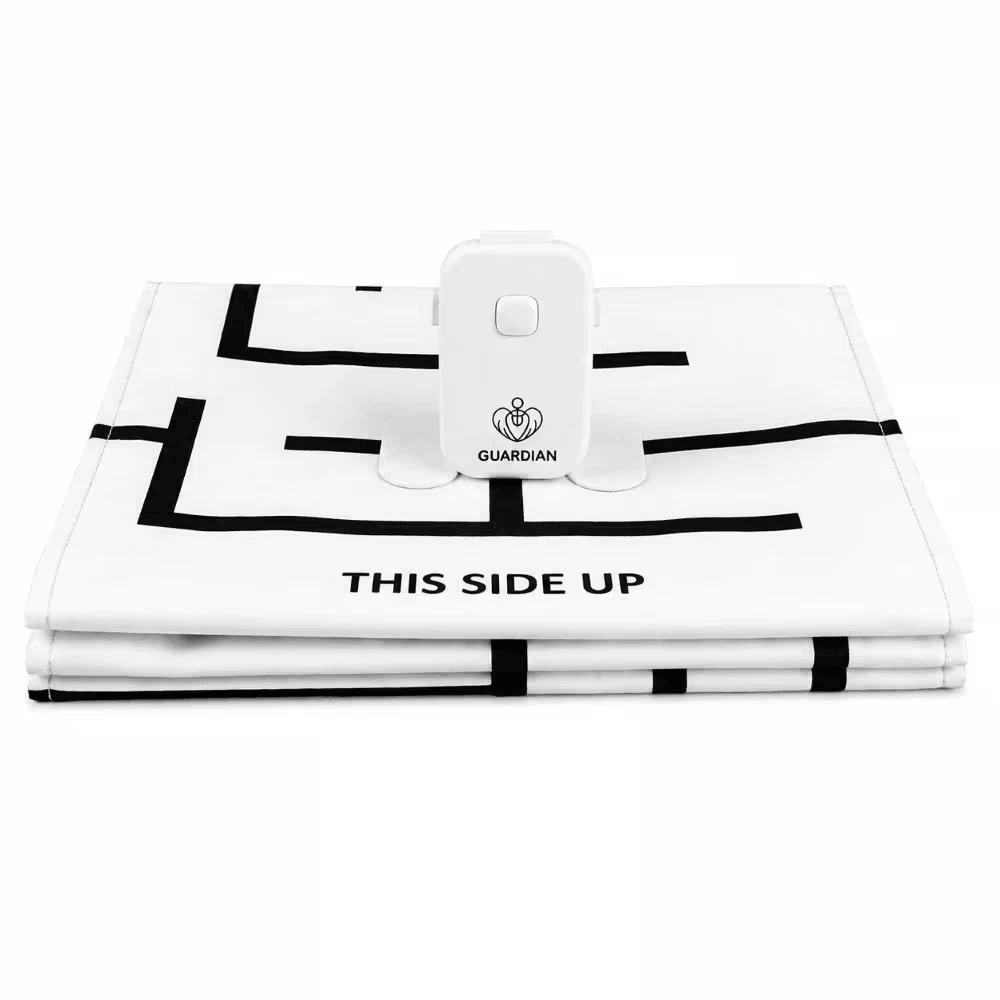
Guardian Bedside Alarm
Disposable sensing mats avoid attaching a sensor to clothing.
View Alarm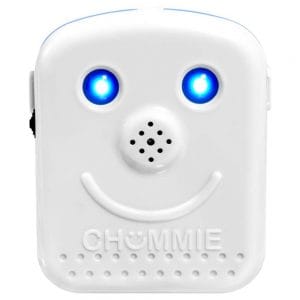
Chummie Premium
Sound, vibration and light options for adults comfortable with a wearable sensor.
View Alarm
Shield Prime
A simple wearable pathway for users prioritizing compact equipment.
View Alarm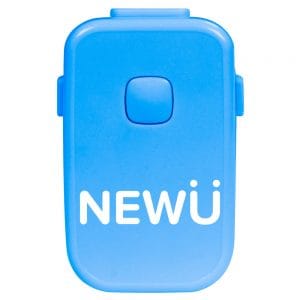
NewU
A wearable alarm for adults who prefer a basic sensor-and-alert setup.
View Alarm