
How to Use a Bedwetting Alarm
Correct setup is only the beginning. The most effective routine combines reliable moisture detection, a complete bathroom response, supportive parental involvement and realistic expectations.
Prepare the Child Before the First Night
Explain that the alarm is a learning tool, not a punishment and not evidence that anything is wrong with the child. Let the child hear and feel the alert during the day. Practice turning it off, walking to the bathroom and resetting it so the nighttime sequence is familiar.
Agree on each person’s role. A young child or deep sleeper may need a parent to respond quickly and help them wake fully. The goal is not for the parent to carry a sleeping child to the bathroom; it is to help the child participate in the complete response.
Set Up the Alarm Correctly
Test the device
Confirm that batteries, sound, vibration, lights and sensor connection work according to the manufacturer’s instructions.
Choose close-fitting underwear
Loose fabric may delay contact. Avoid placing a clip sensor outside highly absorbent nighttime underwear unless the device specifically supports that use.
Position the sensor
Place it where the first moisture is most likely to appear. Placement can vary with body anatomy and sleeping position.
Secure the alarm unit
Attach wearable units as directed and route cords safely beneath sleepwear so they do not tangle, pull or irritate the skin.
The Bedtime Routine
Encourage normal hydration earlier in the day so the child does not arrive at bedtime extremely thirsty. It can be reasonable to reduce drinks during the evening, but do not severely restrict the child’s total daily fluid intake. Evening sports, hot weather, illness and medical advice may change what is appropriate.
Avoid caffeine, particularly later in the day. Have the child use the bathroom at the beginning of the bedtime routine and again immediately before sleep when appropriate. Keep the route to the bathroom clear and use a small night-light if needed.
What to Do When the Alarm Activates
- Respond promptly so the alarm does not continue while the child remains asleep.
- Wake the child fully enough to understand what is happening.
- Have the child stop the alarm according to its instructions.
- Guide the child to the bathroom to finish urinating.
- Change wet clothing and bedding calmly, involving the child at an age-appropriate level.
- Clean or dry the sensor as instructed.
- Reconnect and reset the alarm before returning to sleep.
- Record the event in the morning, focusing on progress rather than failure.
What Parents Should Do
During the early stage, parents should listen for the alarm and make sure the child completes the response. Deep sleepers may silence the unit without becoming fully awake or may sleep through it entirely. Calm, repeated assistance is part of training and should gradually reduce as the child becomes more independent.
Reward actions the child can control: putting on the alarm, using the bathroom before bed, responding to the alert, helping reset the system and recording progress. Avoid tying praise only to dry nights, which may not yet be under voluntary control.
What Not to Do
- Do not punish, shame, tease or compare the child with siblings.
- Do not severely restrict fluids throughout the day.
- Do not use scheduled waking or carrying the sleeping child as a substitute for the moisture-triggered routine.
- Do not position the sensor without testing where moisture first appears.
- Do not allow the alarm to sound repeatedly while everyone ignores it.
- Do not assume one dry night means training is complete.
- Do not stop after a few difficult nights without checking setup and expectations.
- Do not begin medication or combine treatments without clinical guidance.
How to Track Progress
Use a simple calendar to record wet and dry nights, approximate event time, size of wetness, whether the child woke, how much help was needed and whether the bathroom routine was completed. Improvement may appear as later wetting, smaller accidents or quicker waking before dry nights become frequent.
Review the record weekly, not emotionally after every difficult night. If there is no sign of progress, confirm the device is functioning and consider whether sensor placement, absorbent clothing or inconsistent responses are delaying detection.
How Long Should the Alarm Be Used?
Expect weeks rather than days. Some guidance allows up to several months for a complete response. Follow the device instructions and advice from the child’s healthcare professional regarding when to continue, pause or stop. Do not promise the child that dryness must happen by a specific date.
When to Pause and Ask for Help
Seek professional advice if the child is distressed, the family cannot sustain the routine, there is no improvement despite correct consistent use, or symptoms suggest another medical issue. A clinician can consider constipation, daytime bladder dysfunction, sleep-disordered breathing, infection, diabetes or other causes and discuss whether medication or specialist referral is appropriate.
Four Bedwetting Alarms to Compare
The right alarm depends on the sleeper’s age, comfort preferences and response to sound and vibration. These four wearable choices provide a practical starting point for comparison.
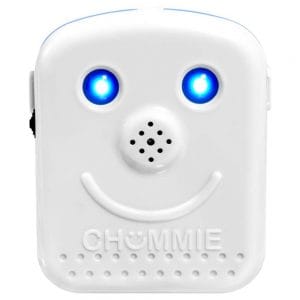
Chummie Premium
A wearable option with sound, light and vibration alerts for sleepers who need a strong multi-alert response.
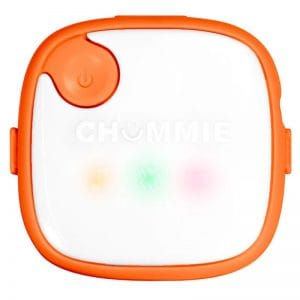
Chummie Elite
A compact child-friendly wearable designed for straightforward nightly setup and moisture detection.

Shield Max
A lightweight clip-style alarm suited to users who prefer a smaller wearable alarm unit.
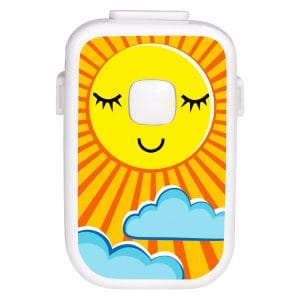
Smart Alarm
A colorful wearable design that can make alarm training feel more approachable for younger users.
Frequently Asked Questions
Should fluids be completely stopped after dinner?
No. Encourage adequate daytime hydration and reasonably reduce evening intake when appropriate. Do not dehydrate the child, particularly after exercise or in hot weather.
What if the child sleeps through the alarm?
A parent may need to wake the child fully for the first stage. Also verify volume, vibration, placement and whether the sensor is detecting moisture promptly.
Can the alarm be worn with Pull-Ups?
Compatibility depends on the sensor. Highly absorbent material may delay a clip sensor placed outside the garment. Follow the manufacturer’s instructions.
Should the child clean up alone?
Participation should be calm and age-appropriate, never punitive. Parents should provide the support needed to return to sleep safely.
Having Difficulty With the Alarm?
Review the most common causes of false alerts, missed moisture and slow progress.
Medical note: This page provides general education and does not replace the manufacturer’s instructions or individualized advice from a qualified healthcare professional.