
Bedwetting at Sleepovers, Camps and While Traveling
A thoughtful plan can protect privacy, reduce anxiety and keep nighttime routines manageable away from home. The goal is not to promise a perfectly dry trip—it is to help the child feel prepared and included.
Start With the Child’s Comfort
Bedwetting can make children hesitate to attend sleepovers, school trips or camp. Begin with a private, calm conversation. Ask what worries them most: someone seeing protective underwear, the alarm waking others, carrying supplies or dealing with wet bedding. Planning should respect the child’s age, wishes and readiness.
Do not surprise a child by disclosing bedwetting to another adult without involving them. For younger children, discreet coordination with a trusted host, camp nurse or counselor may be necessary. Explain exactly what will be shared and why.
Practice first
Use the chosen routine at home before the trip. The child should know how to attach, reset and clean the alarm or use backup protection.
Choose a realistic plan
A single-night sleepover may call for discretion, while a longer family trip may allow regular alarm training to continue.
Pack privately
Use an ordinary toiletry or travel pouch. Keep clean sleepwear and a sealable bag where the child can reach them without searching.
Should You Bring the Bedwetting Alarm?
Continuing alarm training preserves consistency, but not every setting is suitable. In a private hotel room or relative’s home, the usual routine may be practical. In a shared bunk room, a loud alarm could wake other children and expose a private issue. Consider the child’s preference, the device’s vibration features, supervision and the length of the trip.
If the alarm is paused briefly, resume the established routine after returning home. A short pause does not erase previous learning. For longer travel, consult the child’s clinician if medication for special occasions has been discussed; prescription treatment must only be used as directed, including all fluid-safety instructions.
A Discreet Travel Kit
Pack everything together so the child or supervising adult can respond quickly and calmly.
- Alarm and sensor
- Fresh batteries
- Spare underwear
- Two sets of sleepwear
- Absorbent bed protection
- Sealable wet-item bags
- Small cleaning cloth
- Night-light if useful
Planning for Sleepovers
At a trusted friend’s home
Arrange a private sleeping location or discreet backup plan when possible. The child can keep supplies in an ordinary overnight bag and change in the bathroom.
When hosting at your home
This is often an easier first step. The familiar setting allows the usual routine while helping the child build confidence participating in an overnight event.
School camps
Ask about private conversations with the nurse or designated adult, bathroom access and bedding procedures. Share only the information necessary for safe support.
Hotels and family travel
Use a washable or disposable mattress barrier, identify the bathroom route and keep replacement linens accessible. Do not rely on waking the child repeatedly all night.
Protect Privacy Without Creating Shame
Privacy means treating personal health information respectfully; it does not mean acting as though the child has done something wrong. Use neutral language, avoid jokes and let the child participate in planning. A simple explanation such as “My body is still learning to wake me” may be enough if the child chooses to tell a close friend.
Fluids During Travel
Travel days can involve heat, activity and unfamiliar schedules, so dehydration is not an appropriate solution. Encourage adequate fluids earlier in the day and regular bathroom visits. Avoid unusually large drinks close to bedtime and caffeine-containing beverages. If the child is taking desmopressin, follow the prescriber’s fluid instructions exactly.
What If an Accident Happens?
Keep the response quiet and routine. Help the child change, place wet items in the prepared bag and protect or replace bedding. Focus on comfort rather than analyzing the accident in the middle of the night. Review what worked after the trip and adjust the next plan without blame.
Four Travel-Friendly Wearable Alarms
Compact wearable alarms can be easier to pack than a larger bedside system. Consider sound, vibration, setup and the sleeping arrangement before traveling.
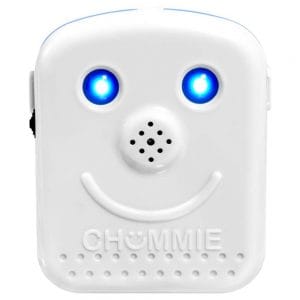
Chummie Premium
Sound, light and vibration alerts in a wearable design for multi-alert support.
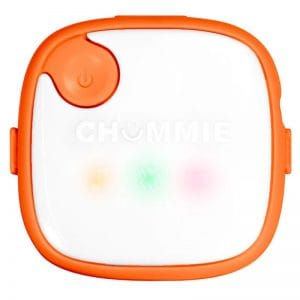
Chummie Elite
A compact child-friendly wearable for a straightforward away-from-home setup.

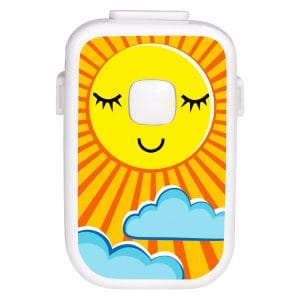
Smart Alarm
A colorful alarm design that can feel familiar and approachable for younger travelers.
A Confidence-Building Progression
Consider starting with a family hotel stay, then an overnight at a trusted relative’s home, then hosting a friend, and finally sleeping away if the child wants to. There is no deadline. The most successful plan is one that preserves dignity and allows the child to participate without feeling forced.
Prepare the Alarm Routine Before Traveling
Practice the full setup, waking and reset sequence at home first.
Medical disclaimer: This information is general education. Ask a qualified healthcare professional about medications, new symptoms or individualized travel planning. Never change prescription use or fluid instructions without the prescriber’s guidance.