
Bedwetting Alarm vs. Medication
Both moisture alarms and prescription medication can help manage nighttime bedwetting, but they work differently, serve different goals and require different levels of family involvement.
The Main Difference
A bedwetting alarm responds to moisture and supports a learning process. When wetness begins, the sensor triggers sound, vibration or light so the child can wake, finish urinating in the bathroom and gradually connect bladder signals with waking. The method requires consistent nighttime use and often active parental help at the beginning.
Desmopressin, the medication most commonly discussed for bedwetting, works differently. It reduces the amount of urine produced overnight. It may provide faster control for some children, but it does not train the waking response in the same way as an alarm. Bedwetting may return when the medication is discontinued.
Side-by-Side Comparison
| Consideration | Bedwetting alarm | Prescription medication |
|---|---|---|
| Primary objective | Support long-term recognition of bladder and waking signals. | Reduce nighttime urine production or address another clinician-identified factor. |
| Speed | Usually gradual; improvement may take weeks and complete training may take months. | Can work more quickly when the child responds to the medication. |
| Family involvement | High initially: testing, sensor placement, responding to alerts and tracking progress. | Requires correct administration, medical follow-up and strict adherence to safety instructions. |
| Long-term goal | Develop an independent waking or holding response. | Control symptoms while taken; lasting results after stopping vary. |
| Common use case | Families able to commit to consistent nightly training. | Rapid or short-term control, situations where an alarm is unsuitable, or clinician-directed treatment. |
| Access | Many alarms can be purchased without a prescription. | Requires evaluation and a prescription. |
When an Alarm May Be Preferred
Clinical guidance commonly presents alarms as a first-line active treatment when basic measures such as appropriate fluid timing, regular toileting and positive routines have not been enough. An alarm may be attractive to families seeking a drug-free approach with a longer-term learning objective.
The tradeoff is effort. A deep sleeper may not wake independently at first, so a parent may need to respond promptly, wake the child fully, guide the bathroom trip and reset the device. Families should expect a training period rather than an instant result.
When Medication May Be Considered
A healthcare professional may discuss desmopressin when rapid or short-term improvement is especially important, such as a camp or overnight trip, when an alarm is unsuitable, or when previous treatment has not provided enough improvement. Response varies, and some children do not become dry with medication.
Fluid-safety instructions are particularly important with desmopressin. Families must follow the prescriber’s directions exactly and should ask what to do during illness, vomiting, diarrhea, unusual fluid intake or missed doses. Never use someone else’s prescription or change the dose without clinical direction.
Can an Alarm and Medication Be Used Together?
Sometimes a clinician may recommend combined treatment after considering the child’s symptoms, previous response and family priorities. Combination treatment should not be improvised at home. The clinician should explain which treatment is addressing which goal, how long it should continue and when progress will be reviewed.
What Results Should Families Expect?
Look for gradual changes
Early improvement may include smaller wet areas, wetting later at night, responding more quickly or needing less parental assistance before dry nights become consistent.
Evaluate response promptly
The prescriber may schedule a review to determine whether the medication is helping and whether it should continue.
Expect variation
No method works for every child, and recurrence does not mean the child is lazy or deliberately resisting treatment.
Reassess when necessary
Persistent daytime symptoms, pain, constipation, unusual thirst, snoring or secondary bedwetting warrant professional evaluation.
How to Decide With a Healthcare Professional
Useful questions include whether the bedwetting is primary or secondary, whether daytime bladder or bowel symptoms are present, whether rapid dryness or long-term training is the priority, whether the family can respond to an alarm nightly and whether medication has any specific risks for the child.
A child’s motivation matters as well. The plan should avoid shame, punishment and unrealistic deadlines. The best treatment is one that is medically appropriate and that the child and caregivers can follow consistently.
Four Bedwetting Alarms to Compare
The right alarm depends on the sleeper’s age, comfort preferences and response to sound and vibration. These four wearable choices provide a practical starting point for comparison.
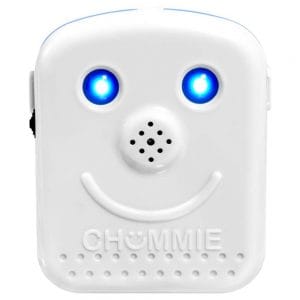
Chummie Premium
A wearable option with sound, light and vibration alerts for sleepers who need a strong multi-alert response.
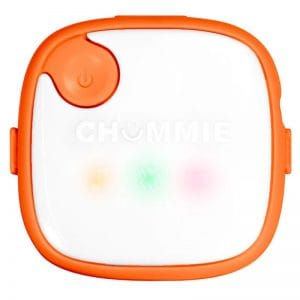
Chummie Elite
A compact child-friendly wearable designed for straightforward nightly setup and moisture detection.

Shield Max
A lightweight clip-style alarm suited to users who prefer a smaller wearable alarm unit.

Smart Alarm
A colorful wearable design that can make alarm training feel more approachable for younger users.
Frequently Asked Questions
Is medication more effective because it can work faster?
No single measure of “better” applies to every family. Faster symptom control and longer-term conditioned learning are different objectives.
Are alarms completely free of side effects?
Alarms do not have drug side effects, but disrupted sleep, frustration and incorrect sensor use can make treatment difficult. Proper setup and family commitment are important.
Can medication cure bedwetting permanently?
Medication can control symptoms for some children while it is taken. Whether dryness continues after stopping varies and should be reviewed with the prescriber.
Should we try both at once?
Only when a healthcare professional recommends and supervises the combined plan.
Understand Alarm Training
Learn what consistent alarm use involves before comparing features and formats.
Sources and safety: General principles are consistent with NICE guidance on bedwetting in people under 19 and American Academy of Pediatrics patient education. Always obtain individualized advice from the child’s healthcare professional.