
Understanding Bedwetting
Bedwetting is common, manageable and never a child’s fault. Learn why it happens, when to seek help and how families can move toward easier nights with practical routines, appropriate treatment and patient support.
What Is Bedwetting?
Bedwetting is involuntary urination during sleep. Many children become consistently dry during the day before they develop reliable nighttime bladder control. Nighttime dryness depends on several systems working together: the bladder must store enough urine, the kidneys must reduce urine production during sleep, and the brain must recognize bladder signals strongly enough to wake the sleeper. These abilities do not mature at exactly the same time for every child.
Healthcare professionals often distinguish between primary bedwetting and secondary bedwetting. Primary bedwetting describes a child who has never remained consistently dry at night for a prolonged period. Secondary bedwetting describes wetting that begins again after at least several months of dry nights. This distinction matters because a return of bedwetting can sometimes be associated with constipation, infection, stress, sleep problems or another health issue that deserves evaluation.
Why Does Bedwetting Happen?
There is rarely one universal explanation. Bedwetting may result from a combination of development, heredity, sleep patterns, bladder capacity, nighttime urine production and bowel or urinary symptoms. Understanding the likely contributors helps families choose a sensible next step instead of blaming the child or trying random remedies.
Daytime habits matter as well. Regular bathroom visits, complete bladder emptying and healthy bowel habits can support nighttime management. Families should avoid severe daytime fluid restriction; adequate hydration earlier in the day remains important. A clinician can help tailor advice when sports, medication or another health condition affects fluid needs.
Bedwetting at Different Ages
The practical and emotional impact of bedwetting changes with age. The right response should consider development, motivation, privacy and whether the pattern is improving, persistent or newly returning.
Younger children
Nighttime wetting can still be part of normal development. The priority is a calm routine, easy cleanup and avoiding pressure. Treatment decisions should reflect the child’s maturity and willingness to participate.
School-age children
Bedwetting may begin to affect confidence, friendships and overnight activities. This is often the stage when families explore a structured routine or moisture alarm, particularly when the child wants to become dry.
Teenagers
Persistent bedwetting deserves respectful, private support and medical discussion. Teenagers may be especially concerned about sleepovers, school trips and relationships. Products and routines should be discreet and suited to independent use.
Adults
Adult nighttime wetting should not simply be assumed to be a continuation of childhood bedwetting. New or persistent symptoms can have multiple causes and should be discussed with a qualified healthcare professional.
For more tailored guidance, visit our bedwetting by age center, which separates the questions and considerations relevant to children, teenagers and adults.
When Should a Family Seek Medical Advice?
Many cases of primary nighttime wetting are developmental, but families do not need to wait silently if bedwetting is frequent, distressing or interfering with daily life. A healthcare professional can provide reassurance, check for treatable contributors and help select an age-appropriate plan.
Arrange medical evaluation when bedwetting is accompanied by:
- Pain or burning during urination
- Cloudy, bloody or unusually strong-smelling urine
- Fever, back pain or lower abdominal pain
- New daytime urgency, frequency or accidents
- A weak stream, dribbling or difficulty emptying
- Unusual thirst, fatigue or unexplained weight loss
- Loud snoring or signs of interrupted breathing
- Bedwetting that returns after months of dry nights
Seek prompt care when symptoms suggest a urinary infection or another acute problem. The purpose of this list is not to alarm families; it is to make sure a potentially treatable issue is not overlooked.
What May Happen During an Evaluation?
An evaluation commonly begins with a conversation about the wetting pattern, daytime bathroom habits, bowel movements, sleep, fluid intake, family history, medications and previous dry periods. A clinician may perform a physical examination and request a urine test. More specialized testing is not necessary for every child and is usually guided by the history, examination and presence of daytime or warning symptoms.
A short bladder and bowel diary can make the appointment more useful. Families may record wet and dry nights, approximate times of wetting, daytime bathroom visits, urgency, bowel movements and notable changes in routine. The diary should be a neutral information tool—not a scorecard used to criticize the child.
Treatment and Management Options
The best approach depends on age, symptoms, motivation and the family’s ability to follow a routine consistently. Some children need reassurance and practical protection while they mature. Others may benefit from active treatment. Underlying constipation, urinary symptoms or sleep problems should be addressed rather than ignored.
| Approach | What it does | Important consideration |
|---|---|---|
| Healthy bladder and bowel routine | Supports regular daytime emptying, hydration and constipation management. | Often forms the foundation of any plan. |
| Moisture alarm | Detects wetness and activates an alert to build a consistent wake-and-bathroom response. | Requires regular use, correct placement and early caregiver support for many deep sleepers. |
| Waterproof protection | Protects the mattress and simplifies cleanup. | Useful for management but does not itself train nighttime bladder control. |
| Positive reward system | Recognizes actions the child can control, such as using the bathroom before bed or helping reset an alarm. | Reward effort and participation rather than promising rewards only for a dry night. |
| Prescription medication | May reduce nighttime urine production or address selected bladder symptoms. | Must be discussed with and used exactly as directed by a qualified clinician. |
Medication can be useful in selected situations, including short-term dryness for travel or camp, but it is not appropriate to recommend or adjust medication without professional guidance. Families should understand expected benefits, recurrence after stopping, fluid instructions and possible risks before treatment begins.
How Bedwetting Alarms Can Help
A bedwetting alarm uses a moisture sensor attached to clothing or positioned on the bed. When the sensor detects the first moisture, the alarm produces sound, vibration, light or a combination. The immediate goal is for the sleeper to wake fully, stop urinating, use the bathroom, change if needed and reset the alarm. Repeating this response is intended to strengthen recognition of bladder signals during sleep.
Progress is usually gradual. Early improvements may include a smaller wet area, fewer alarms, wetting later in the night or beginning to wake without help. Many deep sleepers initially need a parent or caregiver to respond to the alarm and guide them through the entire routine. Turning the device off while the child remains asleep does not complete the training response.
Wearable alarms use a small sensor near the expected point of wetness. Bedside systems use a sensing mat or pad. Neither format is automatically best for everyone. Comfort, privacy, mobility, sleep depth, alert modes, cleaning requirements and the user’s willingness to wear a sensor should guide the choice. Explore our complete bedwetting alarm education center, editorial alarm reviews and comparison guide before selecting a system.
Examples of Different Bedwetting Alarm Designs
These products illustrate how alarm format, sensor placement and intended user can vary. Inclusion here is educational and is not a substitute for the full editorial comparison.
 Chummie PremiumWearable alarm
A clip-on design with sound, light and vibration alerts, often considered by families of children and deep sleepers.
 GuardianBedside system
A bedside format that detects moisture through a sensing mat rather than a sensor worn on the user’s clothing.
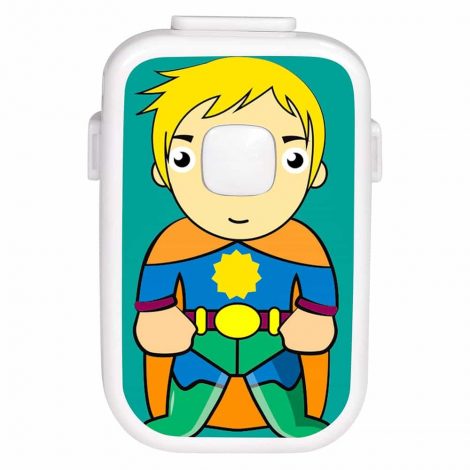 Smart AlarmChild-friendly wearable
A compact wearable example designed around a child-friendly appearance and close-to-body moisture detection.
 Shield MaxCompact wearable
A lightweight clip-style alarm illustrating a simple wearable format for users who prefer a smaller alarm unit.
Features and availability can change. Review the current product documentation and read our bedwetting alarm comparison before choosing.
A Practical Nighttime Plan
A predictable routine reduces confusion and helps the child understand exactly what will happen when the alarm sounds. Adapt the following steps to the product instructions and any guidance provided by the child’s healthcare professional.
Consistency is more useful than perfection. Skipping many nights can interrupt the learning routine, while overcomplicated systems may exhaust the family. Choose a plan that can be maintained realistically and revisit it with a professional if there is no meaningful progress.
Protecting Confidence and Reducing Shame
Bedwetting can affect self-esteem long before adults realize it. Children may avoid invitations, hide wet clothing or worry that siblings will find out. Calm language matters. Try saying, “Your body is still learning this nighttime signal, and we will work on it together.” Avoid comparing siblings, announcing accidents to others or treating cleanup as punishment.
Give the child age-appropriate control. A younger child may choose the color of a protective pad or place a sticker for completing the bedtime routine. An older child or teenager may prefer to manage equipment privately. Rewards should recognize behaviors within the child’s control—testing the alarm, using the bathroom before bed or following the response routine—not only dry nights.
Parents also need support. Interrupted sleep, laundry and worry can be exhausting. Simplifying bedding, sharing caregiver duties where possible and discussing realistic expectations can make consistency easier. Our family resource center provides practical tools and planning guidance.
Sleepovers, Camp and Travel
Planning ahead helps protect privacy without telling a child that bedwetting is something shameful. Pack discreet absorbent underwear if appropriate, a washable wet bag, spare sleepwear and a compact waterproof layer. Practice the routine at home before travel. Older children can agree on a private signal with a trusted adult rather than discussing details in front of friends.
Whether an alarm should be used away from home depends on the child, the sleeping arrangement and the device. A vibrating or discreet setting may help some users, while others prefer a temporary management plan. Medication for a trip or sleepover must be discussed with the prescribing clinician in advance. Browse additional bedwetting products and nighttime protection options when preparing for travel.
Common Mistakes to Avoid
Families sometimes give up after a few nights, position the sensor too far from the likely point of wetness, allow the child to sleep through the alarm, or reward only dry nights. Another mistake is assuming every episode has the same cause. Persistent constipation, daytime accidents, pain, excessive thirst or a sudden recurrence should not be managed only by buying a different alarm.
More expensive equipment is not automatically more suitable. A reliable product should match the sleeper’s needs, be manageable to clean and reset, and provide alerts the family can respond to consistently. Marketing promises should never replace careful reading of instructions, transparent product comparison or medical advice when symptoms warrant it.
Frequently Asked Questions About Bedwetting
At what age is bedwetting considered unusual?
Is bedwetting caused by laziness?
Can constipation cause bedwetting?
Do deep sleepers need a louder alarm?
How long does a bedwetting alarm take to work?
Should fluids be restricted?
Are pull-ups bad for children who wet the bed?
Should a child be rewarded for dry nights?
What does it mean if bedwetting suddenly returns?
Can teenagers and adults use bedwetting alarms?
Does bedwetting always require treatment?
When is bedwetting urgent?
Medical Sources
This guide was informed by patient guidance from the National Institute of Diabetes and Digestive and Kidney Diseases, the American Academy of Pediatrics’ HealthyChildren.org, the Mayo Clinic and NICE guidance on bedwetting.
Practical Help for the Next Decision
After understanding possible causes and treatment choices, families usually need help with one immediate question: which alarm fits, how should it be used, what happens during travel, or what should be done if bedwetting returns? The following guides provide that next layer of support without replacing medical care.
Bedwetting Alarms for Boys
Selection, setup, confidence and nighttime routines for boys.
Bedwetting Alarms for Girls
Comfort, privacy, sensor placement and consistent training for girls.
Are Bedwetting Alarms Safe?
Cord, battery, sound, vibration, skin and responsible-use guidance.
When Bedwetting Returns
How to respond calmly, review possible causes and restart alarm training.
Alarm vs. Waking a Child
The difference between scheduled waking and moisture-triggered training.
Bedwetting Alarm FAQ
Clear answers about setup, timing, fluids, deep sleepers and progress.
Sleepovers, Camp & Travel
Private, practical preparation for nights away from home.
Take the Next Step With Confidence
Begin with reliable education, consider your child’s age and symptoms, and choose a routine your family can follow with patience and consistency.
Learn About Bedwetting Alarms