
Bedwetting by Age: Children, Teens and Adults
Bedwetting has different medical, emotional and practical implications at different ages. Use this age pathway to understand what is common, when to seek help and how bedwetting alarm choices should change with the user.
Bedwetting Guidance for Every Age
Start with the page that most closely matches your child’s age or life stage. Each guide covers the practical, emotional and alarm-related considerations that matter at that point.
How Nighttime Bladder Control Develops
Children usually gain daytime bladder control before nighttime dryness. Staying dry during sleep requires the bladder to store urine, the kidneys to reduce urine production at night and the brain to recognize a full bladder strongly enough to wake. These systems do not mature on an identical timetable for every child.
Bedwetting, also called nocturnal enuresis, is involuntary. It is not laziness, defiance or evidence that toilet training failed. Family history, deep sleep, nighttime urine production, bladder capacity, constipation and other health or sleep factors may contribute. Age is important, but symptoms and the pattern of wetting matter just as much.
Primary bedwetting describes a person who has never achieved a sustained period of dry nights. Secondary bedwetting begins again after months of nighttime dryness. A recurrence deserves attention at any age because it may occur with constipation, stress, infection, sleep problems or another medical issue.
Younger Children: Reassurance and Readiness
Bedwetting remains common in younger children, and many are still developing nighttime bladder control. The first priorities are avoiding shame, protecting the bed and establishing healthy daytime bathroom and bowel routines. A child who is unbothered and has no warning symptoms may need reassurance more than an intensive program.
Some children in this age group are motivated to try a bedwetting alarm, especially when wetting is frequent or they want to become dry. Alarm use requires the child to tolerate the sensor and the family to respond consistently. Parents should expect to wake the child and guide the routine rather than assuming a young deep sleeper will manage independently.
School-Age Children: Structure and Confidence
Persistent wetting may begin to affect sleepovers, camp, friendships and self-esteem. At this age, many children can understand how a moisture alarm works and take increasing responsibility for testing the sensor, using the bathroom before bed and helping reset the system.
Keep the program collaborative. The child did not choose to wet the bed, but can participate in controllable steps. Reward effort—such as setting up the alarm or completing the bathroom routine—rather than rewarding only dry nights. Dryness is an outcome the child cannot produce on command.
A wearable alarm may suit children comfortable with a clothing sensor. A bedside alarm may appeal to those who dislike clips or wires. Consider whether the parent can hear the alert and help promptly. Combined sound and vibration can provide multiple cues for a deeper sleeper, but caregiver support remains important.
Teen Bedwetting: Privacy, Independence and Medical Support
Teenagers with persistent bedwetting may feel isolated even though they are not alone. The practical problem can affect school trips, sports travel, relationships and willingness to stay away from home. Conversations should be private and direct, without speaking about the teenager as though they are a young child.
A medical discussion is appropriate for persistent teen bedwetting, especially when it is frequent, newly returned or accompanied by daytime symptoms, constipation, snoring, pain or unusual thirst. The teenager should have an opportunity to speak with the clinician and participate in decisions.
Alarm features for teens may include discreet appearance, compact size, vibration, simple private cleanup and independent shutoff. A bedside mat avoids attaching a sensor to underwear, while a wearable system is smaller for travel. Neither format is inherently more mature; preference and consistency matter.
Adult Bedwetting: Evaluation Comes First
Adult nighttime wetting should not automatically be treated as a continuation of childhood bedwetting. New adult bedwetting can have multiple causes and warrants professional evaluation. A clinician may review urinary symptoms, medications, sleep, neurologic history, fluid intake, diabetes symptoms and other health factors.
Products can support management while evaluation and treatment proceed. Adults may choose a discreet wearable alarm, a bedside sensing mat, mattress protection or absorbent products. Product selection should consider mobility, dexterity, hearing, skin health, caregiver involvement and the ability to clean and reset equipment safely.
Embarrassment should not prevent care. Adult bedwetting is a health symptom, not a moral failure. Sudden onset, pain, weakness, blood-colored urine, unusual thirst or changes in bladder control require timely medical attention.
Choosing a Bedwetting Alarm by Age and Ability
| User | Main priority | Alarm considerations | Support level |
|---|---|---|---|
| Younger child | Comfort and willingness | Simple setup, secure sensor, child-friendly design, caregiver-audible alert. | High caregiver involvement is usually needed. |
| School-age child | Consistent training | Reliable detection, sound plus vibration if useful, easy cleaning and reset. | Shared responsibility that increases gradually. |
| Teenager | Privacy and control | Discreet unit, portability, private maintenance and independent operation. | Respect autonomy while offering practical support. |
| Adult | Medical fit and management | Wearable or bedside format based on mobility, comfort, hearing and care needs. | Individual; clinician and caregiver input may apply. |
Age labels on products are only a starting point. A motivated ten-year-old may operate an alarm independently, while an older deep sleeper may need a caregiver to wake them. A teen may prefer a bedside mat despite the larger equipment. Read our bedwetting alarm education guide and editorial reviews before comparing individual models.
Supporting Confidence at Every Age
Use neutral language: “Your body is still learning the nighttime signal,” or “This is a symptom we can evaluate and manage.” Avoid teasing, punishment, sibling comparisons and public discussion. Let the user choose where supplies are stored and who is told.
For children, reward actions within their control. For teenagers, avoid monitoring that feels invasive. For adults, treat the matter as private healthcare information. A simple bedding system and prepared supplies reduce the visible disruption that can make wetting feel more overwhelming.
Sleepovers and travel deserve advance planning. A compact waterproof layer, discreet absorbent protection when appropriate, spare clothing and a wet bag can protect privacy. Whether to use a loud alarm in shared accommodation should be decided with the user. Medication for travel must be discussed with a clinician.
When Age Is Not the Only Question
A healthcare professional may ask about dry periods, daytime bladder habits, bowel movements, sleep, family history, medication and fluid intake. Keeping a brief neutral diary can make the visit more useful. More testing is not necessary for every child and depends on history and symptoms.
For a comprehensive overview of causes, evaluation and management, visit the Bedwetting Learning Center. The age guidance here supports—but does not replace—individualized medical advice.
Alarm Options for Different Ages and Sleep Styles
Consider comfort, independence, privacy and whether a wearable or bedside sensor better fits the user.
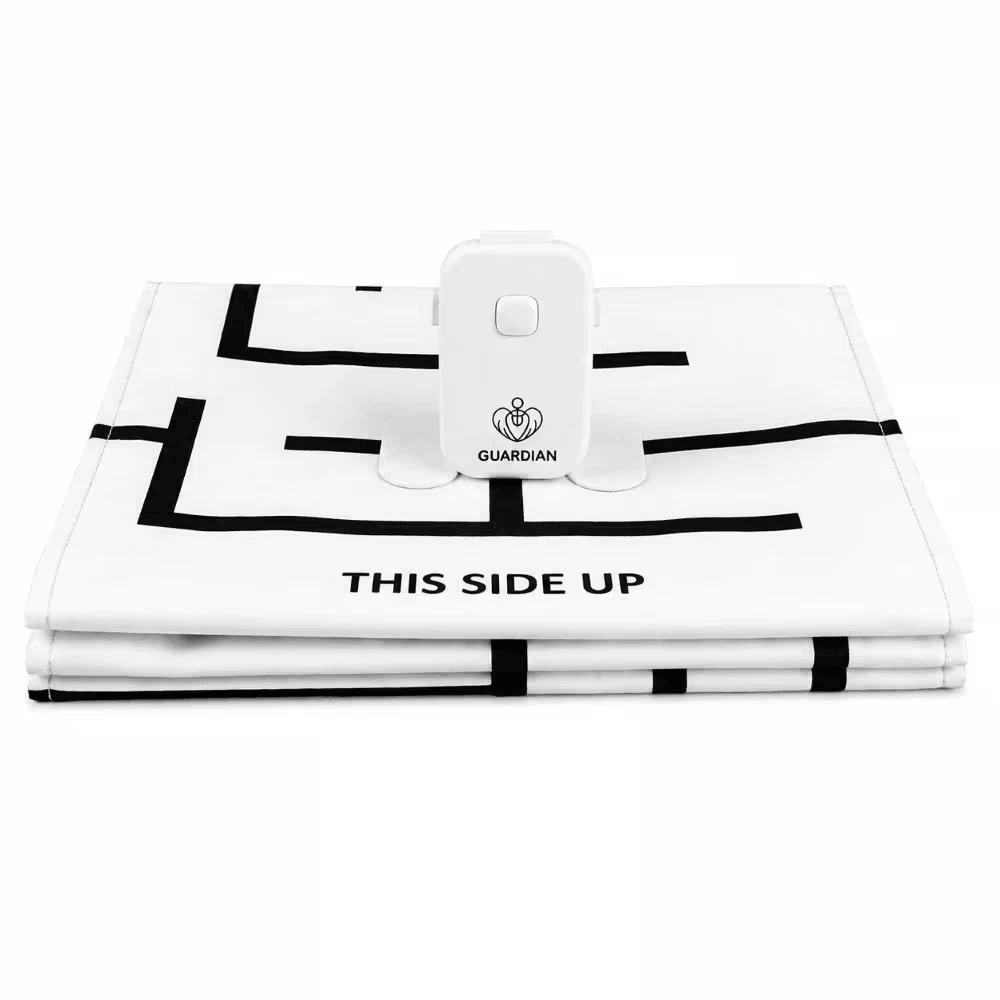
Guardian
A bedside system that detects moisture through a sensing mat instead of a sensor attached to clothing.
View Alarm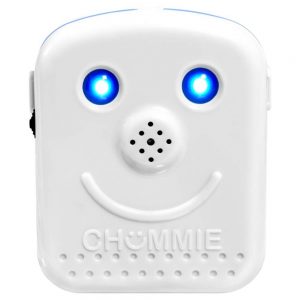
Chummie Premium
A wearable option with sound, light and vibration alerts for users who need a strong multi-alert response.
View Alarm
Zest
A compact wearable example for users who value a discreet size and uncomplicated nightly routine.
View Alarm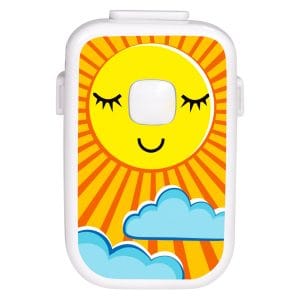
Smart Alarm
A colorful wearable design that can make alarm training feel more approachable for younger users.
View Alarm