
Bedwetting Progress Chart and Reward System
A useful chart tracks behaviors and gradual improvement—not simply dry versus wet. This printable 14-night worksheet helps families recognize smaller wet spots, easier waking and consistent participation.
Why Track Alarm Training?
Bedwetting improvement is often gradual. If parents record only fully dry nights, they may miss meaningful changes that appear earlier: the alarm sounds later, the wet spot becomes smaller, the child wakes more easily, there are fewer activations or the child begins waking before moisture is detected.
A short chart provides objective information when nights blur together. It can also help a pediatrician or continence professional review whether the alarm is being used consistently and whether constipation, daytime symptoms or sleep problems require attention.
Reward the Process, Not an Involuntary Outcome
Setup
Did the child use the toilet, attach the sensor correctly and test the alarm before sleeping?
Response
Did the child get up with help, go to the bathroom and participate in changing and resetting?
Learning signs
Was waking easier, was the wet area smaller, or did the child wake before the alarm?
A child cannot consciously guarantee a dry night while asleep. Making dryness the only reward target can create frustration and shame. Instead, award a sticker or point for the actions the child can control. Celebrate dry nights as encouraging progress, but do not remove earned points after an accident.
Printable 14-Night Bedwetting Progress Chart
My Bedwetting Alarm Progress
Name: __________________________ Start date: __________________
| Night | Alarm Set Up | Wet / Dry | Approx. Alarm Time | Woke: I / H | Bathroom & Reset | Sticker / Point |
|---|---|---|---|---|---|---|
| 1 | ||||||
| 2 | ||||||
| 3 | ||||||
| 4 | ||||||
| 5 | ||||||
| 6 | ||||||
| 7 | ||||||
| 8 | ||||||
| 9 | ||||||
| 10 | ||||||
| 11 | ||||||
| 12 | ||||||
| 13 | ||||||
| 14 |
Progress noticed: ____________________________________________________________________________________
Question for our healthcare professional: _________________________________________________________________
How to Complete the Chart
Fill in the first column before bed only after the alarm is correctly attached and tested. During the night, record the approximate activation time, whether the child woke independently or needed help, and whether the bathroom and reset routine was completed. In the morning, add a simple wetness description rather than an emotional judgment.
Do not wake the entire household to complete paperwork. A parent can make a quick note and finish the chart in the morning. Keep it in a private place rather than displaying it where siblings, visitors or classmates may see.
Create a Reward System That Works
Reward these actions
- Using the toilet before bed
- Helping set and test the alarm
- Getting out of bed when prompted
- Walking to the bathroom
- Helping reset the sensor
- Completing the chart calmly
Avoid these approaches
- Removing points after a wet night
- Comparing siblings
- Publicly displaying the chart
- Using cleanup as punishment
- Promising expensive prizes for dryness
- Calling an accident a failure
Choose small rewards that can be delivered consistently. Examples include choosing the family game, selecting breakfast, extra story time, a sticker toward an outing or choosing music in the car. Ask the child which options feel motivating. The reward should support participation without turning every morning into a negotiation.
How to Review Progress After 14 Nights
Check consistency
Was the alarm used every night? Were there travel nights, illness or setup problems that changed the trial?
Look beyond dryness
Compare wetness amount, activation time, number of alarms and how much help the child required.
Review the routine
Confirm the sensor was positioned where moisture first appeared and the child woke fully before the alarm was reset.
Check health factors
Consider constipation, daytime urinary symptoms, unusual thirst, pain, snoring or breathing pauses.
What Counts as Progress?
Progress can include smaller wet spots, fewer wettings in one night, later activation, waking more quickly, completing the routine more independently and having occasional dry nights. Improvement is not always linear. Illness, travel, exhaustion or schedule changes may temporarily increase wetting without erasing previous learning.
When the Chart Shows No Change
First verify that the alarm activates promptly with a small amount of moisture and that the sensor is cleaned and placed correctly. Confirm that a parent responds when the child sleeps through it. Review whether absorbent underwear is delaying moisture from reaching the sensor.
If correct and consistent use produces no measurable progress after several weeks, consult a healthcare professional. Constipation, daytime bladder dysfunction, sleep-disordered breathing or lack of readiness may need attention. Do not respond by making the alarm louder beyond safe settings or by blaming the child.
Do Not Use the Chart to Diagnose
The worksheet can reveal patterns but cannot identify infection, diabetes, constipation, sleep apnea or another condition. Seek medical advice for pain, fever, unusual thirst, weight loss, daytime wetting, weakness, loud snoring, breathing pauses or wetting that returns after sustained dryness.
How Long Should the Chart Continue?
After the first 14 nights, begin a second sheet if the family is continuing. Keep the same symbols so the periods can be compared. Once the child is consistently dry, follow the alarm manufacturer’s and healthcare professional’s guidance about when to discontinue or use overlearning procedures.
Some families prefer a weekly summary after the first month. The chart should remain a helpful tool, not a permanent surveillance system. If the child becomes preoccupied or distressed, simplify the record and discuss the treatment plan.
Four Bedwetting Alarms to Compare
Compare comfort, alert style, sensor setup and the support the sleeper may need. These four wearable options provide a practical starting point.
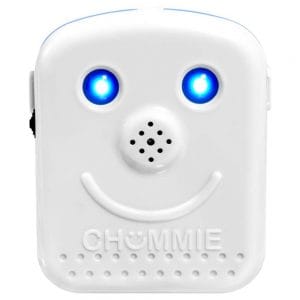
Chummie Premium
A multi-alert wearable option for sleepers who may need a stronger response during alarm training.
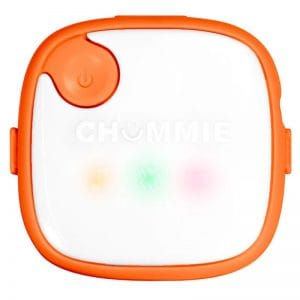
Chummie Elite
A child-friendly wearable designed for straightforward nightly setup and moisture detection.
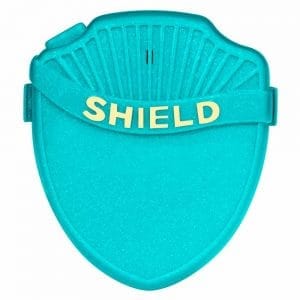
Shield Max
A smaller clip-style alarm for users who prefer a lightweight wearable alarm unit.
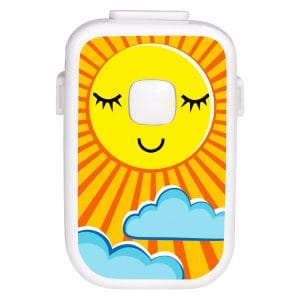
Smart Alarm
A colorful wearable design that can make the nightly routine feel more approachable.
Choose an Alarm the Child Can Use Consistently
Reliable detection and a manageable routine matter more than extra features. Compare sound, vibration, light, sensor comfort, attachment and cleaning. A parent should understand how to test and reset the system before the first night.
Using the Chart During a Medical Visit
Bring the completed sheet along with notes about daytime bathroom habits, bowel movements, snoring, medications and the history of nighttime dryness. The pattern can help the clinician ask more focused questions. Leave room to record recommendations rather than trying to remember them later.
Learn the Complete Alarm Routine
Review setup, sensor positioning, waking, cleanup and reset before beginning the chart.
Medical disclaimer: This printable chart is an educational tracking tool, not a medical record or diagnostic test. Consult a qualified healthcare professional about symptoms, treatment choices and lack of progress.