
Bedwetting Alarm Reviews and Meaningful Comparisons
Understand what a useful bedwetting alarm review should measure—from moisture detection and alert design to comfort, cleanup, deep-sleeper support and the realities of nightly training.
What our reviews examine
Bedwetting Alarms at a Glance
See the editorial score, strongest use case and practical verdict before reading the full review.
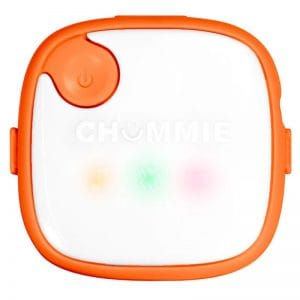
Chummie Premium Review
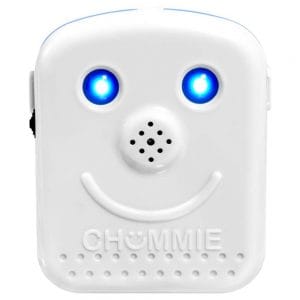
Chummie Premium earns the highest editorial score because its design addresses the three factors that matter most during alarm training: detecting moisture promptly, delivering more than one type of alert and remaining practical enough for consistent nightly use. Its reusable flexible sensor and combination of sound, vibration and light make it adaptable for children with different waking patterns.
It is especially compelling for families beginning a structured alarm program and for deeper sleepers who may benefit from layered alerts. As with any wearable model, correct sensor placement and caregiver assistance during the first stage remain important.
Guardian Bedside Alarm Review
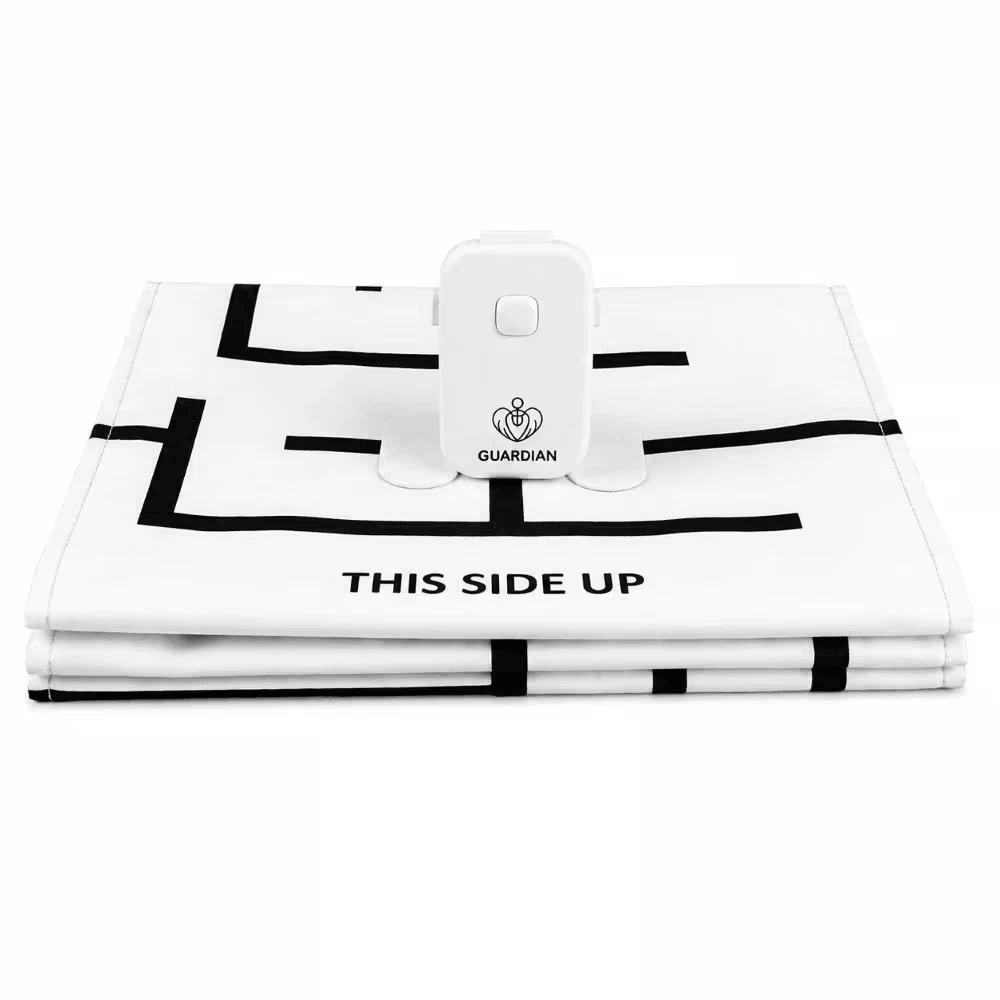
Guardian stands apart because it uses a bedside sensing approach instead of requiring a moisture sensor to be clipped to underwear. The disposable sensing mats sit beneath the sheet, supporting comfort, hygiene and a routine with no sensor wire attached to the user. Strong sound and vibration options make the design relevant for deeper sleepers and users who dislike wearable equipment.
The bedside format can be especially appealing to older children, teenagers, adults or active sleepers. Families should account for the recurring cost of replacement sensing mats and should follow the placement and sensitivity instructions carefully.
Smart Bedwetting Alarm Review
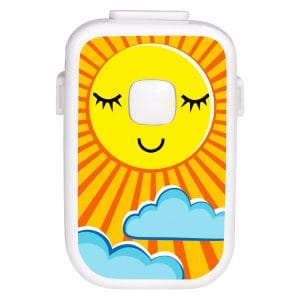
The Smart Alarm combines an approachable design with the alert flexibility families commonly seek in a first wearable alarm. Multiple tones and the choice of sound, vibration or both allow parents to adjust the routine as they learn how the child responds. Its colorful appearance can make the device feel less clinical for younger users.
This model is a strong value choice when a standard wearable configuration is acceptable. The family should test the alarm before bedtime and make sure the child understands the reset sequence, because feature variety is only useful when the nightly routine remains simple.
Shield Max Bedwetting Alarm Review
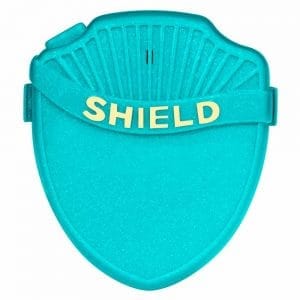
Shield Max is positioned as a straightforward wearable for families that prefer a familiar sensor-and-alarm routine without making the product selection unnecessarily complicated. That simplicity can be valuable because alarm training already requires repeated nighttime steps, caregiver support and consistent resetting.
It is best considered by families comfortable with an attached sensor and a conventional wearable format. Users who strongly dislike wires or clothing attachments may prefer Guardian’s bedside design instead.
Chummie Elite Review
Chummie Elite offers a compact wearable format for families who want an uncomplicated introduction to moisture-alarm training. Its child-friendly appearance and smaller profile can make the routine feel less intimidating, particularly when parents explain and practice the steps before the first night.
The Elite is a sensible alternative for families placing high value on size and simplicity. Deep sleepers may need active caregiver assistance while learning to wake and complete the bathroom routine, regardless of the alarm selected.
How We Evaluate Bedwetting Alarms
A good bedwetting alarm review should answer a practical question: who is this product likely to suit, and what does the family need to know before using it? A list of tones, colors and accessories does not answer that question. We examine how the design fits into the actual sequence of detecting moisture, waking the sleeper, completing the bathroom routine and resetting the device for the rest of the night.
Our editorial analysis uses available product documentation, sensor and alert specifications, setup instructions, design characteristics, maintenance requirements and suitability for different ages and sleep patterns. Where a feature cannot be independently verified, it should be described as a manufacturer claim rather than presented as established fact.
We also separate product quality from treatment results. An alarm may detect reliably and still be a poor fit if the child refuses to wear it, the caregiver cannot hear it or the cleaning routine is too difficult to maintain. Conversely, a simpler model may work well for a motivated light sleeper. The review must explain those tradeoffs rather than hiding them inside a single numerical score.
The Criteria That Matter Most
Moisture detection
The sensor should respond at the beginning of wetness when positioned according to instructions. Wearable sensors are generally placed close to the expected first moisture. Bedside systems rely on the placement and sensing area of a mat or pad. A review should explain the design rather than claiming a universal detection speed without comparable testing conditions.
Alert effectiveness
Sound is common, but vibration and light can add useful cues. Multiple tones may reduce familiarity, and a strong vibration motor may help some sleepers. Yet deep sleepers frequently need a caregiver to wake them during the early training stage. A review that equates volume with guaranteed waking oversimplifies the problem.
Comfort and secure placement
A sensor that moves away from the wetness point, a clip that pulls on clothing or an alarm unit that feels heavy can undermine consistent use. For bedside designs, comfort depends on how the mat is placed and whether it bunches beneath the sheet. The best feature set is irrelevant if the user will not tolerate the setup.
Shutoff and reset
Some alarms stop with one button, while others require a two-step action. A more deliberate shutoff may reduce sleepy deactivation. Reviewers should explain whether the user must disconnect the sensor, press multiple controls or replace a sensing component. Nighttime simplicity matters because the family may repeat the process while tired.
Cleaning and ownership cost
Wearable sensors usually need rinsing and drying. Reusable bed pads need laundering, while disposable sensing mats create a refill cost. Battery type, replacement sensors and accessories should be considered alongside the initial price. A lower purchase price is not automatically a lower long-term cost.
Comparing Alarm Designs Fairly
| Review question | Wearable alarm | Bedside alarm |
|---|---|---|
| Where is moisture detected? | Near the body, usually with a clip-on sensor attached to underwear. | On a sensing mat or pad positioned on the bed. |
| What affects detection? | Sensor location, clothing fit, clip security and cleanliness. | Mat coverage, sleeper position, sheet layers and sensor design. |
| What affects comfort? | Clip, cord routing, unit size and the sleeper’s tolerance for wearing equipment. | Mat texture, placement and whether the user moves away from the sensing area. |
| What does cleanup require? | Rinsing and drying the sensor plus changing affected clothing. | Washing a reusable pad or replacing a disposable sensing mat. |
| Who may prefer it? | Users wanting close-to-body detection and compact travel. | Users who dislike attaching a moisture sensor to clothing. |
Comparisons should also account for product categories within each design. Two wearable alarms can differ in vibration strength, clip style, shutoff sequence and the location of the alarm unit. Two bedside systems may use different sensing areas, reusable or disposable materials and cord lengths. Category labels are a starting point, not the conclusion.
How to Read Editorial Ratings
A numerical score is useful only when the methodology is visible. An “8.7” or “five-star” badge without defined criteria creates an illusion of precision. Our reviews use descriptive analysis first. When summary ratings are shown, they should reflect separate areas such as detection design, alert options, comfort, maintenance and overall suitability.
Do not choose an alarm by overall score alone. Read the explanation behind the rating. A model with excellent alerts may still be wrong for a child who cannot tolerate a cord. A bedside system may be comfortable but poorly suited to a highly mobile sleeper if the sensing area is limited. The correct choice is the best match, not necessarily the highest abstract number.
Matching Reviews to the Person Using the Alarm
Children beginning alarm training
Look for straightforward setup, comfortable clips, durable connections and alerts a caregiver can hear. A child-friendly appearance can improve acceptance, but it should not replace reliable sensing. Parents should expect to help wake younger children and supervise the bathroom and reset routine.
Teenagers
Privacy and independence become more important. Teenagers may prefer a discreet wearable unit or a bedside design that avoids a visible clothing sensor. Reviews should address portability, sound exposure in the household and whether the user can clean and reset the system privately.
Deep sleepers
Combined alert modes are relevant, but no product should be presented as guaranteed to wake every deep sleeper. The review should discuss caregiver assistance, tone variation, vibration and the importance of completing the response rather than silencing the unit while asleep.
Adults
Adult bedwetting requires medical discussion, particularly when it is new. Product reviews can explain discreet designs and practical differences, but they cannot determine the cause or replace evaluation. A bedside system may appeal to users who do not want a clothing sensor, while others may prefer compact wearable detection.
How We Treat Marketing Claims
Claims such as “works in weeks,” “doctor recommended,” “loudest,” “most sensitive” or “guaranteed success” need context and evidence. Results vary with the user, underlying causes, consistency and caregiver response. Even a technically sensitive sensor cannot guarantee dryness if the sleeper never completes the wake-and-bathroom routine.
We distinguish measurable features from outcome claims. Battery type, sensor placement and the existence of vibration are verifiable design facts. Statements about cure rates or treatment time require stronger evidence and should not be inferred from customer anecdotes alone. Reviews should also note when product specifications or availability may have changed.
Questions to Ask Before Buying
Who will respond when the alarm sounds? Is the user comfortable wearing a sensor? Can the caregiver hear the alert from another room? Does the unit offer vibration? How is it shut off and reset? What must be washed or replaced after each activation? Are batteries and replacement sensors easy to obtain? Can the system travel? What is the return policy if the format is clearly unsuitable?
Then consider health and behavior. Is bedwetting primary or did it return after months of dry nights? Are there daytime accidents, pain, constipation, unusual thirst or snoring? Is the child motivated to participate? A product purchase should not delay medical evaluation when warning signs are present.
Use our bedwetting alarm comparison guide for a broader ranking view and our complete alarm education guide to understand training before choosing a device.
How to Evaluate an Alarm After Purchase
Test the sensor and alerts before the first night. Confirm that every included part matches the instructions. During use, note whether the sensor activates at early wetness, whether the clip stays in place, how quickly the sleeper responds, and whether cleanup and reset are manageable.
Progress may include smaller wet areas, later wetting, faster waking or beginning to wake before the alarm. Do not judge the product solely by the first few nights. At the same time, repeated false alarms, late detection caused by poor fit, damaged connections or an intolerable setup deserve attention. Recheck instructions and contact the seller or manufacturer when a product appears defective.