
What is a bedwetting alarm?
A bedwetting alarm is a moisture-detection device used during sleep. A sensor placed in underwear or on a bed mat triggers sound, vibration, light or a combination when wetness begins. The alert is intended to help the user wake, stop urinating if possible, finish in the toilet and reset the system.
The device is also called an enuresis alarm, urine alarm or nighttime wetting alarm. These terms generally describe the same treatment concept, although product designs vary.
How does an alarm help stop bedwetting?
The alarm repeatedly pairs the beginning of urination with waking. Over time, the child may become easier to wake, release less urine, wake before the alarm or remain dry. It is a learning process rather than a device that physically prevents urine from leaving the bladder.
Consistency matters because the association must be repeated. Families should expect gradual changes and avoid promises of guaranteed dryness within a fixed number of days.
At what age can a child use one?
Many families consider formal treatment around age five or older, but readiness matters as much as the birthday. The child should understand the purpose, participate without coercion and have enough family support to complete the nighttime routine.
A clinician can help when the child is very young, has developmental or physical needs, experiences daytime symptoms or has another medical condition.
How long does a bedwetting alarm take to work?
Some users show early progress within several weeks, but full dryness can take longer. Look for smaller wet patches, fewer alarms, later alarms and easier waking. Review the response after approximately four weeks rather than stopping after only a few difficult nights.
If improvement is continuing, alarm use may be continued until a sustained period of dry nights is achieved. Follow healthcare and manufacturer guidance for the individual situation.
What if my child does not wake up?
A parent may need to wake a deep sleeper when the alarm activates. Help the child sit or stand, walk to the bathroom and complete the reset routine. The child should remain involved rather than sleeping while the parent silently changes everything.
Check volume, vibration, placement, batteries and whether the alarm is buried under bedding. Daytime rehearsal can also improve the response.
Where should the sensor be placed?
Place a wearable sensor where the first moisture is expected, following the product’s instructions. Secure placement is important because a loose or distant sensor may activate late. Test with a small amount of water while awake before the first overnight use.
Bedside mat alarms have different placement requirements. Keep alarm units dry and route every cord exactly as instructed.
Should fluids be limited at night?
Encourage adequate fluids earlier in the day and avoid excessive drinking immediately before sleep. Regular daytime toileting and urinating before bed are helpful. Severe restriction or intentional dehydration is not recommended as a substitute for treatment.
Prescription desmopressin has specific fluid-restriction requirements. Those directions must come from the prescribing healthcare professional.
Can an alarm be used with pull-ups?
A pull-up may absorb moisture before it reaches a wearable sensor, delaying or preventing activation. Some families use specially arranged sensor placement or protective underwear as a backup, but the setup must allow the sensor to detect the first wetness.
Discuss product-specific placement with the manufacturer. The child should not be shamed for using protection while training.
Are bedwetting alarms safe?
They are non-drug devices and are generally used safely when instructions are followed. Keep cords away from the neck, use approved batteries, keep the alarm unit dry and stop if equipment is damaged. Test sound and vibration while awake.
Clean sensors as directed and watch for skin irritation from moisture, clips or adhesive. Seek medical guidance when symptoms suggest an underlying condition.
Do alarms work for deep sleepers?
They can, but deep sleepers frequently need stronger parental involvement at first. Sound plus vibration, multiple tones and reliable sensor placement may help. The goal is not to find an impossibly loud device; it is to create a consistent response every time the alert occurs.
Progress should be judged by waking behavior and reduced wetness as well as completely dry nights.
What is better: wearable or bedside?
Wearable alarms are compact, move with the user and place the alert close to the body. Bedside alarms use a moisture-sensitive mat or pad and can be preferable for users who dislike attaching a sensor to clothing.
Neither format is universally best. Consider mobility, sensory comfort, sleep depth, privacy, cleaning and the amount of family assistance available.
When should we stop using the alarm?
Do not stop after the first few dry nights. Continue until the child has achieved a sustained dry period consistent with clinical or manufacturer guidance. Stopping too early may not give the learned response enough time to stabilize.
If there is no early improvement after correct use for several weeks, review technique and consult a healthcare professional.
What if bedwetting returns later?
A return of wet nights does not erase previous success. Look for illness, stress, constipation, sleep changes or urinary symptoms. If there are no warning signs, alarm training can often be restarted using the same routine.
Sudden recurrence after six months or more of dryness should be discussed with a healthcare professional, especially when other symptoms are present.
When should a doctor be consulted?
Seek medical advice for pain or burning, fever, blood in urine, strong daytime urgency, daytime wetting, repeated infections, unusual thirst, weight loss, constipation, weak stream, loud snoring or breathing pauses. Also seek help when the problem begins suddenly after a long dry period.
Consult a professional if correctly used initial treatment does not help, or if bedwetting is causing significant anxiety, conflict or avoidance of normal activities.
How should success be encouraged?
Reward controllable behaviors: setting up the alarm, using the toilet before bed, responding, changing and resetting. Do not punish accidents or make dry nights the only measure of success.
Keep a simple progress chart and allow the child age-appropriate choices. Confidence, privacy and consistency provide a better foundation than pressure.
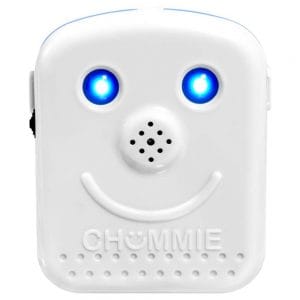
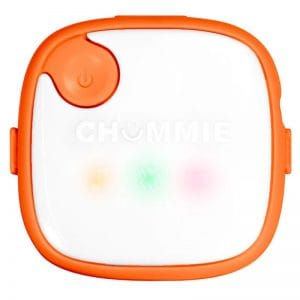
Four Bedwetting Alarms to Compare
The right alarm is the one the user can wear comfortably and use consistently. Compare alert styles, size, sensor design and nighttime routine before deciding.


Choose consistency over perfection
Bedwetting alarm training is a learning process. A calm routine, reliable setup and steady family support matter more than expecting immediate dry nights.
Compare Bedwetting AlarmsMedical note: This educational information is not a diagnosis or a substitute for care from a qualified healthcare professional. Seek medical advice for pain, excessive thirst, daytime urinary symptoms, constipation, snoring or sudden recurrence after a long dry period.