
Bedwetting, Snoring and Sleep Apnea
Loud habitual snoring, gasping or pauses in breathing are not simply signs of “deep sleep.” When they occur with bedwetting, a healthcare professional should evaluate whether sleep-disordered breathing is contributing.
Why Sleep and Bladder Control Are Connected
Staying dry at night requires the sleeping brain to recognize bladder signals, the bladder to store urine and the body to regulate nighttime urine production. Fragmented or abnormal sleep can interfere with this coordination. Obstructive sleep apnea occurs when the upper airway repeatedly narrows or closes during sleep, disrupting breathing and sleep quality.
Not every child who snores has sleep apnea, and not every child with bedwetting has a sleep disorder. Occasional snoring during a cold is different from loud, frequent snoring accompanied by gasping, pauses, restless sleep or daytime symptoms. The pattern—not one isolated night—guides the need for evaluation.
Signs That Deserve Medical Attention
Loud habitual snoring
Snoring on many nights, gasping, choking sounds or visible pauses in breathing should be reported.
Restless or unusual sleep
Frequent movement, sweating, sleeping with the neck extended or repeated awakenings may be relevant.
Headaches or dry mouth
Morning headache, dry mouth, difficulty waking or feeling unrefreshed may reflect poor overnight breathing.
Sleepiness or hyperactivity
Children may appear tired, irritable, inattentive or unusually active rather than simply falling asleep.
Growth or weight concerns
Some children have growth difficulty, while others may have obesity that increases airway risk.
Persistent or returning wetting
New bedwetting after sustained dryness or wetting that resists a consistent plan deserves review.
How Sleep-Disordered Breathing May Contribute
Airway narrows
Breathing effort increases and oxygen or carbon dioxide patterns may change.
Sleep becomes fragmented
The child repeatedly shifts sleep state without necessarily remembering awakenings.
Nighttime regulation is disrupted
Arousal, bladder signaling and urine production may be affected.
The exact relationship varies. Changes in sleep arousal, pressure within the chest, hormones involved in fluid regulation and increased nighttime urine production have all been considered. The important practical point is that treating a moisture alarm alone cannot correct an obstructed airway.
Seek Prompt Medical Care
Contact a healthcare professional if you observe breathing pauses, gasping, choking, bluish color, significant difficulty breathing or extreme daytime sleepiness. Severe breathing difficulty is an emergency. Record a short video only if it can be done safely and without delaying care; a clinician may find it useful.
What a Pediatrician May Ask
Be prepared to describe how many nights per week the child snores, whether the sound can be heard outside the room, whether there are pauses or gasps, the child’s usual sleep position and whether symptoms worsen during allergies or respiratory illness. Mention enlarged tonsils, nasal congestion, morning headaches, school behavior, sleepiness and family history.
The clinician may examine the nose, mouth, tonsils, jaw, growth and blood pressure. Depending on the findings, the child may be referred to an ear, nose and throat specialist or sleep specialist. An overnight sleep study may be recommended to measure breathing, oxygen, sleep stages and other signals. Not every child requires the same testing.
Bring a bladder record
Track wet and dry nights, approximate timing, daytime urgency or leakage and whether wetting began after a dry period.
Bring a sleep record
Note bedtime, waking time, snoring nights, witnessed pauses, unusual positions and daytime behavior.
Report bowel symptoms
Constipation can also affect bladder control and may exist alongside sleep problems.
List medications
Include prescription, over-the-counter and allergy products. Do not change them without professional guidance.
Should Families Continue Using a Bedwetting Alarm?
If sleep apnea or another breathing disorder is suspected, ask the child’s healthcare professional whether alarm training should continue during evaluation. A moisture alarm may still be part of the overall plan, but repeated failure to wake should not be dismissed as ordinary deep sleeping when snoring and breathing symptoms are present.
If alarm use continues, a parent may need to respond promptly and wake the child fully. Do not increase sound to an unsafe level or place the alarm in a way that creates cable or strangulation hazards. Follow the manufacturer’s instructions.
Myth: “A Child Who Snores Is Just Sleeping Deeply”
Snoring is a sound produced by turbulent airflow through a narrowed airway. Habitual loud snoring can be a symptom, not proof of excellent sleep. Children with obstructed breathing may spend enough time in bed but still experience fragmented, poor-quality sleep.
What Happens If Sleep Apnea Is Treated?
Treatment depends on the cause and may involve management of nasal allergies, removal of enlarged tonsils and adenoids, weight-related support, positive airway pressure or another specialist plan. Some children experience improvement in bedwetting after sleep-disordered breathing is addressed, but dryness is not guaranteed. A separate bladder plan may still be needed.
Healthy Sleep Habits Still Matter
Maintain a consistent bedtime and waking time, create a calm wind-down routine and keep screens out of the immediate pre-sleep period. Ensure the child receives adequate daytime activity and sleep duration. These habits support health but do not replace evaluation of loud snoring or breathing pauses.
Four Bedwetting Alarms to Compare
Compare comfort, alert style, sensor setup and the support the sleeper may need. These four wearable options provide a practical starting point.
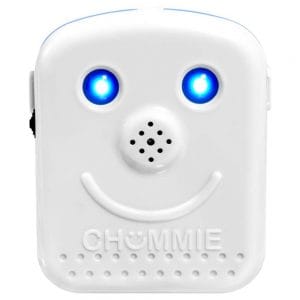
Chummie Premium
A multi-alert wearable option for sleepers who may need a stronger response during alarm training.
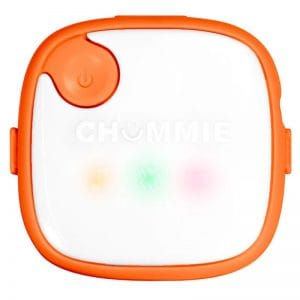
Chummie Elite
A child-friendly wearable designed for straightforward nightly setup and moisture detection.

Shield Max
A smaller clip-style alarm for users who prefer a lightweight wearable alarm unit.
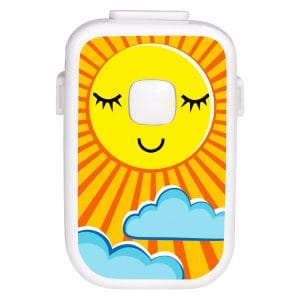
Smart Alarm
A colorful wearable design that can make the nightly routine feel more approachable.
Choosing an Alarm When Sleep Has Been Evaluated
After medical concerns have been addressed, compare sound, vibration, light, sensor comfort and ease of reset. A child who struggles to wake may benefit from multi-alert features, but parent support remains important. The goal is not to startle the child; it is to create a consistent waking and bathroom response.
When Bedwetting Requires Separate Evaluation
Even if snoring is present, report pain with urination, unusual thirst, weight loss, daytime accidents, fever, weakness, constipation or bedwetting that begins after sustained dryness. More than one contributing factor can occur at the same time.
Review Other Reasons Children Wet the Bed
Understand bladder development, nighttime urine production, constipation and family history.
Medical disclaimer: General education only. Snoring, breathing pauses and new urinary symptoms require professional evaluation. Seek emergency care for severe breathing difficulty or other urgent symptoms.