
Bedwetting Resources for Calmer, More Consistent Nights
Use practical routines, alarm checklists, progress tracking, troubleshooting, travel planning and doctor-visit preparation to turn general advice into an achievable family plan.
Start With the Right Goal
Families often begin by asking how to stop bedwetting immediately. A more useful first question is what needs to improve next: understanding the pattern, protecting the mattress, starting a bedwetting alarm, managing constipation with professional guidance, reducing shame or preparing for an overnight trip. A clear goal makes the plan manageable.
Bedwetting is involuntary. It can involve developmental timing, nighttime urine production, bladder function, difficulty waking, family history, constipation and other medical or sleep factors. A resource plan should never assume that the child is careless or withholding effort. Punishment and humiliation do not create nighttime bladder control.
Decide who will do each task. The child can participate according to age and readiness. A younger child might use the bathroom and help test the alarm. An older child can set up the sensor, record the alarm time and change clothing. A caregiver may need to hear the alert, wake the child and supervise the reset.
A Practical Bedtime and Alarm Routine
Keep the route to the bathroom clear and use a dim night-light. Place a waterproof protector over the mattress and a removable absorbent pad in the likely wetting area. Avoid so many layers that a bedside alarm mat cannot detect moisture promptly. Keep a wet bag or laundry container nearby so the room does not become chaotic after an activation.
When the alarm sounds, the child must wake enough to participate. Saying the child’s name, sitting them up and guiding them to the bathroom may be necessary. Turning off the alarm while the child remains asleep removes the connection between the alert and the bathroom response.
In the morning, discuss the night briefly and neutrally. “The alarm sounded at 2:10 and you woke faster than yesterday” is useful. “You failed again” is harmful and inaccurate. Praise controllable actions such as wearing the sensor, using the bathroom and resetting the alarm.
A Progress Tracker That Measures More Than Dry Nights
Tracking can reveal patterns, but it should not become a judgment chart. Record only details that may change the plan: whether the night was wet or dry, approximate alert time, size of wet area, whether the child woke independently, daytime urgency, bowel movement and any unusual event such as illness or travel.
Progress may appear as a smaller wet patch, an alarm later in the night, waking with less help, stopping urination sooner or beginning to wake before the sensor activates. These changes can matter even when the calendar still contains wet nights. Share a short record with a healthcare professional if symptoms persist or the plan is not improving.
Bedwetting Alarm Setup Checklist
| Check | Before sleep | After an alert | Why it matters |
|---|---|---|---|
| Sensor | Place at the expected first wetness point and test. | Clean or replace, dry as directed and reconnect. | Late placement or damp residue can cause missed or false alarms. |
| Alarm unit | Check batteries, clip position, volume and vibration. | Use the proper shutoff sequence and reset. | The alert must remain operational for the rest of the night. |
| Child | Bathroom visit and explanation of the routine. | Wake fully and finish urinating in the bathroom. | The learning response requires more than silencing the device. |
| Bed | Use protection without blocking sensor detection. | Change only the affected layers when possible. | A fast reset reduces family exhaustion. |
For wearable alarms, attach the sensor to close-fitting underwear rather than loose pajamas unless the manufacturer directs otherwise. Route the cord safely and secure the alarm unit where it will not pull. For bedside alarms, position the sensing mat and sheet layers exactly as instructed. Highly mobile sleepers may need careful attention to the sensing area.
Test the alert during the day before beginning. Let the child hear the sound and feel the vibration so it is not frightening at night. Practice walking to the bathroom and resetting the device. Familiarity turns a sudden alarm into a known routine.
Troubleshooting Common Alarm Problems
The child does not wake
Plan for caregiver support. Respond promptly, wake the child fully and guide the routine. Do not repeatedly increase volume without changing the response. Combined sound and vibration can add cues, but a deep sleeper may still require direct help for a period.
The alarm activates too late
Move a wearable sensor closer to the expected first moisture according to instructions. Check that absorbent underwear or thick clothing is not delaying wetness. With a bedside system, review mat placement, sheet layers and whether the sleeper moved outside the sensing area.
False alarms interrupt sleep
Dry the sensor completely after cleaning and avoid handling it with damp fingers. Sweat, residue, a partially closed clip or damaged connections may activate some units. Follow the product troubleshooting steps rather than improvising with cleaners or repairs.
The child refuses the alarm
Ask what is uncomfortable or frightening. A clip may pinch, a wire may pull or the alert may feel embarrassing. A different sensor format, lower-stress practice or temporary pause may help. Alarm training should be collaborative, not forced through conflict.
The family cannot sustain the routine
Reduce the number of bedding layers, prepare a bedside reset kit and share caregiver duties when possible. If sleep loss becomes severe, seek professional guidance. Consistency is important, but family safety and functioning matter.
Protecting Confidence and Family Relationships
Use language that separates the person from the symptom. Say, “The alarm is helping your body practice,” rather than “You need to stop doing this.” Do not announce wet nights to siblings, compare children or make cleanup a punishment. Store supplies privately and allow older users control over who knows.
Reward effort. A sticker or point can recognize using the bathroom before bed, attaching the sensor correctly or completing the reset. Do not promise a reward only for a dry night, because dryness is not a behavior the child can guarantee.
Parents may also feel frustrated and sleep-deprived. Take a break before discussing the night if emotions are high. Agree on a few neutral phrases and divide practical tasks. The child should not become responsible for managing adult frustration about laundry or sleep loss.
Sleepovers, Camp and Travel Planning
Make a privacy plan with the child rather than for the child. Pack discreet absorbent underwear when appropriate, a compact waterproof pad, spare sleepwear, a sealed wet bag and familiar cleanup supplies. Choose an ordinary-looking bag and practice the entire routine at home.
A loud alarm may not be suitable in shared accommodation. Some users choose vibration, while others pause training and use management products temporarily. Decide in advance how a trusted adult can help without discussing the issue publicly. Medication for travel must be arranged with a clinician and used exactly as directed.
For a teenager, ask what information may be shared and with whom. For a younger child, give the supervising adult clear private instructions. A good plan reduces anxiety without treating bedwetting as shameful.
Preparing for a Healthcare Visit
Bring a brief history: age when daytime dryness developed, whether the person has ever been dry for several months, wetting frequency, typical timing, daytime urgency or accidents, bowel habits, snoring, thirst, medications and family history. Include the alarm routine and what changed during consistent use.
Questions may include: Could constipation contribute? Do daytime symptoms require evaluation? Is a urine test appropriate? Does sleep need assessment? Is alarm training suitable now? What signs should prompt faster care? Are there fluid instructions or treatment considerations specific to this person?
Use the Bedwetting Learning Center for deeper education, the alarm guide for training details and the age-based guide for life-stage considerations.
Bedwetting Alarms to Explore
Use these product examples alongside our educational guides when deciding which features deserve closer comparison.

Smart Alarm
A colorful wearable design that can make alarm training feel more approachable for younger users.
View Alarm
Shield Prime
A simple wearable choice for families looking for a compact alarm with essential alert features.
View Alarm
Zest
A compact wearable example for users who value a discreet size and uncomplicated nightly routine.
View Alarm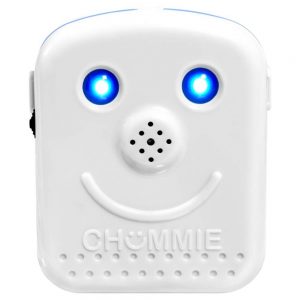
Chummie Premium
A wearable option with sound, light and vibration alerts for users who need a strong multi-alert response.
View AlarmFrequently Asked Questions for Families
What should we do on the first night with an alarm?
What should a bedwetting chart track?
How can we make nighttime cleanup faster?
Should parents wake a child before the alarm sounds?
What if my child sleeps through the alarm?
How do we reward progress?
Can we stop using protection during alarm training?
What should we tell a child before a sleepover?
When should we change alarms?
When should tracking information go to a doctor?
Seven New Practical Guides
Use these resources to choose an alarm, introduce it respectfully, handle sleepovers and respond if wet nights return. Each guide connects practical routines with clear signs that professional advice may be appropriate.
Bedwetting Alarms for Boys
Selection, setup, confidence and nighttime routines for boys.
Bedwetting Alarms for Girls
Comfort, privacy, sensor placement and consistent training for girls.
Are Bedwetting Alarms Safe?
Cord, battery, sound, vibration, skin and responsible-use guidance.
When Bedwetting Returns
How to respond calmly, review possible causes and restart alarm training.
Alarm vs. Waking a Child
The difference between scheduled waking and moisture-triggered training.
Bedwetting Alarm FAQ
Clear answers about setup, timing, fluids, deep sleepers and progress.
Sleepovers, Camp & Travel
Private, practical preparation for nights away from home.
Explore the authority guides
Understanding Bedwetting
Bedwetting Alarm Guide
Best Alarm Comparison
Products and Protection