
Build a Practical Nighttime Bedwetting System
Compare bedwetting alarms, mattress protection, absorbent products, cleanup supplies and travel essentials by the job each product performs—not by marketing claims alone.
Bedwetting Products Serve Different Purposes
Product shopping becomes confusing when every item is presented as a solution to the same problem. A moisture alarm is designed to detect wetness and create a wake-up response. A waterproof cover protects the mattress. An absorbent pad reduces how far moisture spreads. Disposable underwear contains wetness. Cleaning supplies manage hygiene and odor. These products can work together, but they are not substitutes for one another.
Begin by identifying the household’s immediate need. Is the goal active alarm training, easier cleanup, protection during travel, privacy for a teenager or safer management for an adult while medical causes are evaluated? The answer determines the useful product category and prevents spending money on features that do not address the actual problem.
Bedwetting Alarm Products
Bedwetting alarms fall mainly into wearable and bedside categories. Wearable systems place a sensor on underwear or near the expected point of wetness. Bedside systems use a mat or pad on the sleeping surface. Both are intended to alert at the beginning of wetness, but comfort, maintenance, sensing coverage and portability differ.
When comparing alarms, focus on reliable sensor placement, sound and vibration options, shutoff method, clip comfort, battery indicators and cleaning. A large number of tones can be useful, but it should not distract from basic questions: will the sensor remain where it belongs, can the family hear the alert, and can they reset it consistently?
For deep sleepers, combined sound and vibration may add useful cues, yet caregiver assistance is often necessary at first. For teenagers, discretion and independence may matter more. A child-friendly design can support acceptance for younger users. The complete bedwetting alarm guide explains these differences before purchase.
Mattress Covers, Encasements and Waterproof Pads
A mattress protector prevents moisture from reaching difficult-to-clean materials. Fitted protectors cover the top and sides like a sheet. Full encasements surround the mattress and may provide broader protection but require more effort to remove. Flat waterproof pads cover the immediate sleeping area and can be changed without stripping the entire bed.
Compare the waterproof layer, absorbent surface, breathability, wash temperature, dryer instructions and whether the product shifts during sleep. A pad that bunches can be uncomfortable; a protector that makes noise may disturb a sensitive sleeper. Product dimensions should match the mattress and the user’s movement pattern rather than merely the label “twin” or “queen.”
Layering can shorten nighttime changes. Place a waterproof protector on the mattress, followed by a fitted sheet, then a removable absorbent pad in the likely wetting area. Some families create a second protected sheet layer beneath the first so the upper layer can be removed quickly. Avoid excessive layers over a bedside alarm mat because they may delay moisture reaching the sensor.
Disposable and Washable Absorbent Products
Absorbent underwear provides containment rather than alarm training. It can protect confidence during sleepovers and travel, support adults managing symptoms, or reduce cleanup while a family develops a treatment plan. It should never be used to shame a child or presented as evidence that the child is not trying.
When used with a wearable alarm, thick absorbent material can keep moisture away from the sensor. Follow the alarm manufacturer’s placement instructions. Some families position the sensor inside the absorbent garment near the expected first moisture, but only when the product guidance permits it. If detection becomes late, the combination may undermine the alarm response.
Washable absorbent underwear can reduce waste and recurring purchase costs but adds laundry. Disposable products offer convenience but require careful sizing, storage and ongoing expense. Compare absorbency, fit, skin contact, noise and discretion. Change wet products promptly and address persistent rash or skin irritation with a healthcare professional.
| Product | Primary purpose | Does it train waking? | Key buying question |
|---|---|---|---|
| Moisture alarm | Detects wetness and creates an immediate alert. | Designed to support a repeated waking routine. | Can the sensor and alert setup be used consistently? |
| Waterproof protector | Prevents moisture from reaching the mattress. | No. | Is it breathable, washable and correctly sized? |
| Absorbent bed pad | Contains moisture and enables a faster bedding change. | No. | Will it stay flat and cover the likely wetting area? |
| Absorbent underwear | Contains wetness for management and privacy. | No. | Will it interfere with alarm sensor detection? |
| Disposable sensing mat | Detects moisture for a compatible bedside alarm. | Only as part of the alarm system. | What is the refill cost and correct placement? |
Create a Faster Nighttime Reset Station
The best cleanup product is often preparation. Keep clean underwear, pajamas, a dry sensor cloth, a spare bed pad and a wet bag within reach. Use a dim night-light so the child can walk safely without turning the room into a fully awake daytime environment. The goal is to wake enough to complete the routine while returning to sleep efficiently afterward.
Clean alarm sensors only as instructed. Residue, moisture left in the clip or harsh cleaning chemicals can cause false alarms or damage. Wash waterproof products according to their labels; excessive heat can damage some waterproof membranes. Avoid masking persistent odor without thoroughly washing and drying the affected material.
Products for Sleepovers, Camp and Travel
Travel priorities are privacy, portability and predictable cleanup. A compact waterproof pad, discreet absorbent underwear if appropriate, spare clothing, a washable wet bag and a small alarm may fit into ordinary luggage. Practice the setup at home before relying on it away from home.
Whether to continue alarm training during travel depends on the child, room arrangement and device. A loud alarm in a shared room may reveal private information. Vibration can be more discreet but may not wake a deep sleeper. Some families use management products temporarily and resume alarm training at home. Medication for travel must be discussed with the prescribing clinician in advance.
How to Choose Products Without Overbuying
Build the minimum system that solves the immediate problems. For many families that means one suitable bedwetting alarm, one mattress protector and one or two removable pads. Add absorbent underwear or travel supplies only when they serve a specific purpose. Buying several alarms at once makes it difficult to maintain a consistent routine or identify why a setup is not working.
Calculate ownership cost. Consider batteries, replacement sensors, disposable mats, laundry, drying time and return policies. Check exact dimensions and included quantities. Product photographs can make pads appear larger than they are, while a low alarm price may exclude accessories required for use.
Read both our editorial alarm reviews and best bedwetting alarms comparison. Look beyond a ranking to the user fit, maintenance and alert design.
Safety, Skin Care and Medical Considerations
Route cords according to product instructions and keep equipment away from unsafe entanglement or electrical hazards. Do not improvise with damaged wires, corroded batteries or sensors that no longer close securely. Follow age recommendations and supervise younger users.
Clean and dry the skin after wetting. Persistent rash, broken skin or signs of infection deserve medical advice. Products should never delay evaluation when bedwetting returns after a dry period or occurs with pain, daytime accidents, unusual thirst, constipation, snoring or blood-colored urine.
Popular Bedwetting Alarm Options
These examples include bedside and wearable formats for different routines, comfort preferences and budgets.
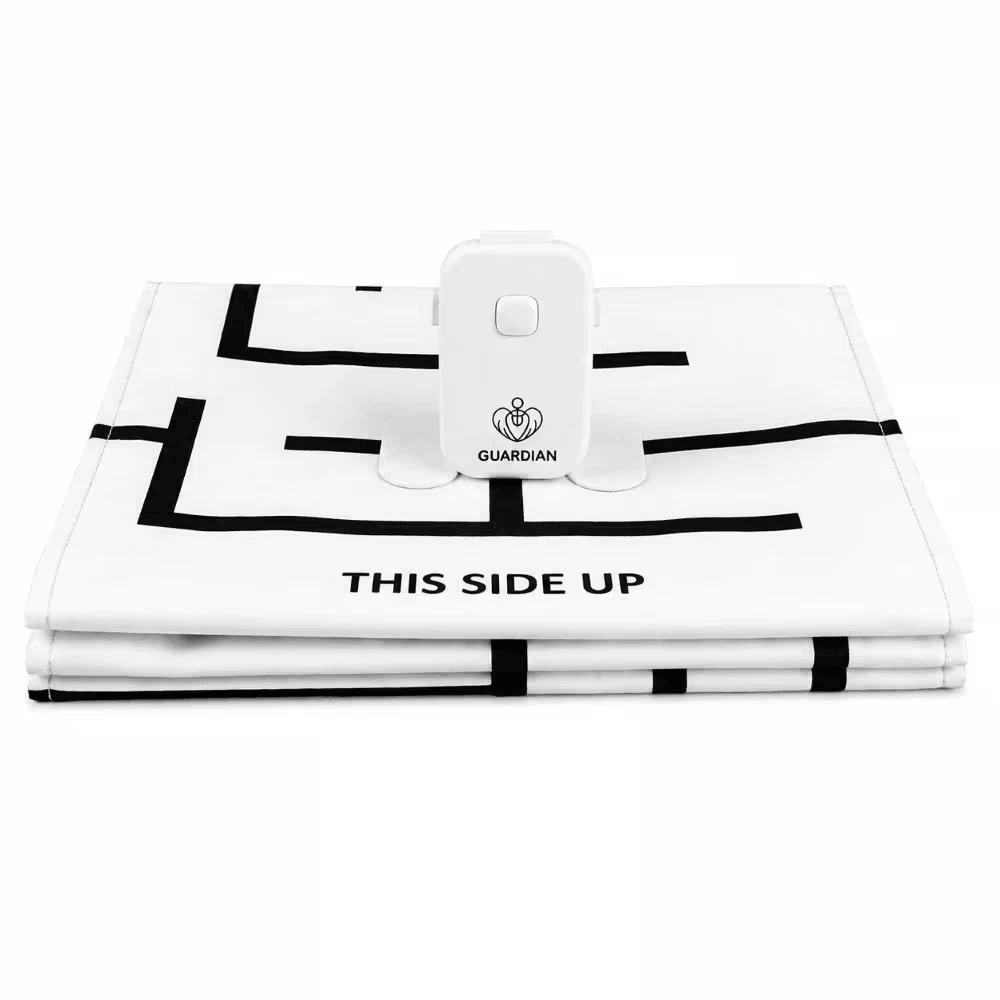
Guardian
A bedside system that detects moisture through a sensing mat instead of a sensor attached to clothing.
View Alarm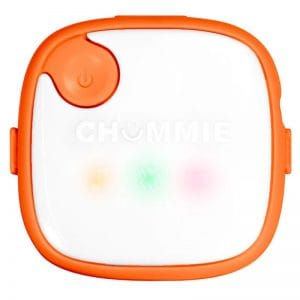
Chummie Elite
A compact child-friendly wearable designed for straightforward nightly setup and moisture detection.
View Alarm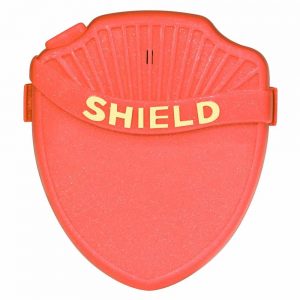
Shield Prime
A simple wearable choice for families looking for a compact alarm with essential alert features.
View Alarm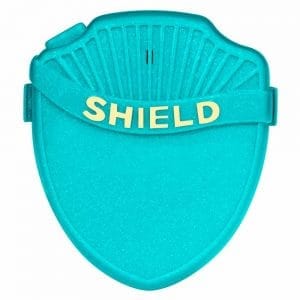
Shield Max
A lightweight clip-style alarm suited to users who prefer a smaller wearable alarm unit.
View Alarm