
Wearable vs. Bedside Bedwetting Alarms
Both types detect moisture and alert the sleeper. The best choice depends on comfort, sleep depth, sensory preferences, cleaning routine and how much parent support is available.
No single alarm style is best for every family.
Understanding where the sensor sits, how the alert is delivered and what must be cleaned or replaced makes the choice much easier.
The Basic Difference
Wearable alarms
A small alarm unit attaches to the pajama top or shoulder area, while a moisture sensor is positioned in the underwear. The sensor is close to where wetting begins, which can provide prompt detection. Wearable systems move with the child and are generally compact for travel.
Bedside alarms
A bedside unit sits near the bed and connects to, or communicates with, a moisture-sensitive mat or pad placed in the sleeping area. The child does not wear the alarm unit. Depending on the system, mats may be washable, reusable or disposable.
Wearable and Bedside Alarm Comparison
| Feature | Wearable Alarm | Bedside Alarm |
|---|---|---|
| Sensor location | Placed in or clipped to the underwear | Mat or pad positioned on the bed |
| Alarm unit | Attached to pajamas near the shoulder or chest | Placed beside the bed or on a nearby stand |
| Detection | Close to the first moisture at the underwear | Occurs when moisture reaches the sleeping-surface sensor |
| Comfort consideration | The child must tolerate a sensor and small unit on clothing | No alarm unit is worn, but the mat must remain correctly positioned |
| Movement during sleep | The sensor moves with the child | Very active sleepers may move away from a smaller sensing area |
| Travel | Usually compact and easy to pack | May require more space for the alarm, mat and connecting components |
| Cleanup | Sensor and wet clothing are cleaned as directed | Mat or disposable pad and bedding are handled according to the system |
Who May Prefer a Wearable Alarm?
A wearable system may suit a child who moves around considerably during sleep, needs detection close to the body, travels frequently or prefers a compact device. Multi-alert models may combine sound, light and vibration. The sensor must be positioned correctly every night and the cable routed safely under the sleepwear according to the manufacturer’s directions.
Who May Prefer a Bedside Alarm?
A bedside system may be attractive when the child strongly dislikes wearing a device, has sensory sensitivity around clips or cables, or when the family prefers a mat-based setup. The mat must be located where moisture will reach it, and the alarm should be placed where it can be heard and safely accessed. Parents should understand whether the sensor surface is washable, reusable or disposable before purchasing.
Choose for the sleeper
Consider age, comfort, sleep movement, ability to manage the sensor and response to sound or vibration.
Choose for consistency
The best alarm is one the family can set up correctly and use every night for the recommended training period.
Choose for support
Deep sleepers often need a parent to respond, wake them fully and guide the bathroom routine at first.
Which Style Works Faster?
There is no responsible guarantee that one format will produce dry nights faster for every child. Correct detection, full waking, nightly use, child motivation and parent follow-through may matter more than the shape of the device. A wearable sensor close to the urine source can alert promptly, while a properly positioned bedside mat may be more acceptable to a child who refuses wearable equipment.
Measure progress across weeks. Early signs can include the alarm activating later, smaller wet areas, easier waking, fewer alarms per night and the child beginning to wake before moisture is detected.
Do Not Confuse an Alarm With a Monitor
The purpose is not merely to inform a parent that the bed is wet. Each activation should lead to a consistent learning sequence: wake the child fully, pause urination when possible, go to the bathroom, change wet items, reset the alarm and return to bed.
Important Questions Before Buying
Ask how quickly the sensor detects moisture, what alerts are offered, whether volume or tone can be adjusted, how the sensor is cleaned, whether replacement parts are available, how the device attaches, what batteries it uses and what support or warranty is provided. Avoid choosing only by the loudest advertised sound.
Four Wearable Bedwetting Alarms to Compare
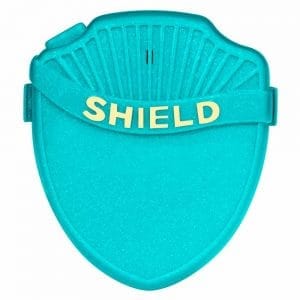
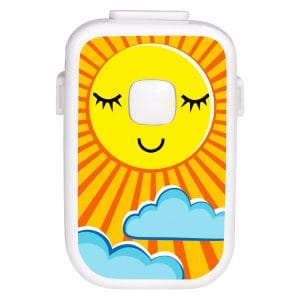
These wearable options vary in alert combinations, styling and size. Compare the details with the sleeper’s needs and nightly routine.
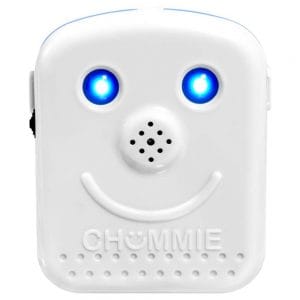
Chummie Premium
A wearable alarm with sound, light and vibration for a strong multi-alert response.
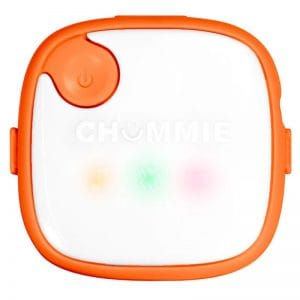
Chummie Elite
A compact child-friendly wearable designed for straightforward nightly setup.
Frequently Asked Questions
Are bedside alarms better for deep sleepers?
Not automatically. A loud bedside unit may help some families, while others benefit from a wearable alarm that adds vibration. Deep sleepers commonly need parent assistance regardless of style.
Can a child switch alarm types?
Yes, but first review whether the current system is being used correctly and consistently. Constantly changing devices can interrupt the learning routine.
Can protective underwear be worn with an alarm?
Absorbent garments can delay moisture from reaching some sensors. Follow the specific manufacturer’s instructions and choose compatible bedding protection.
Compare Recommended Bedwetting Alarms
Review features, alert styles and practical differences before choosing.
Medical disclaimer: General education only. Consult a qualified healthcare professional about persistent bedwetting, new symptoms or whether alarm training is appropriate.