
Bedwetting Alarm Troubleshooting
If an alarm is not detecting moisture, is producing false alerts or is not waking the sleeper, work through the setup systematically before deciding that the treatment has failed.
The Alarm Does Not Sound When Wet
Test the device using the method described by the manufacturer. If it does not activate, check battery orientation and charge, cable connections, sensor cleanliness and whether the unit is switched to an active mode. A sensor coated with residue may not detect moisture promptly.
If the device works during testing but misses a nighttime event, placement is the more likely issue. Position the sensor where the first moisture reaches the underwear. Loose fabric or highly absorbent material between urine and the sensor can delay activation.
The Alarm Goes Off When Everything Is Dry
False alarms can result from a damp sensor, perspiration, incomplete cleaning, detergent residue, a loose connection or a pinched cable. Dry the sensor and connection points completely. Inspect cords for wear and make sure the sensor is not touching wet wipes, skin products or damp fabric before bedtime.
Do not continue repeatedly resetting unexplained false alerts without investigating. Disrupted sleep can reduce motivation and may indicate that a component needs replacement or manufacturer support.
The Child Sleeps Through the Alarm
This is common for deep sleepers, especially early in treatment. The parent should respond quickly, wake the child fully and have the child complete the bathroom routine. Simply silencing the device while the child remains asleep does not build the intended response.
Check that the selected alert includes the strongest appropriate combination of sound, vibration and light available on the device. Attach a wearable unit in the recommended location and avoid covering it with heavy bedding that muffles sound. Never place a device against the ear or use it in a way not approved by the manufacturer.
The Child Turns It Off and Goes Back to Sleep
Practice the sequence during the day: alarm activates, child sits up, turns it off, walks to the bathroom, finishes urinating, changes, cleans or dries the sensor and resets the unit. A parent may need to supervise this sequence until it becomes automatic.
Keep the bedroom route clear and supplies ready. Reducing confusion and searching in the middle of the night makes it easier to complete the routine without frustration.
The Sensor Keeps Falling Off
Use close-fitting underwear and attach the sensor exactly as directed. Clip sensors should grip securely without causing pain. Tape-style sensors require the approved adhesive method and skin-safe placement described by the manufacturer. Do not improvise with pins, metal clips or adhesives that could injure the child or damage the sensor.
The Alarm Activates Too Late
A late alert often means the sensor is not at the first point of moisture. Review where the wetness begins, then adjust placement accordingly. Absorbent Pull-Ups can prevent a sensor on the outside from detecting the initial drops; confirm whether the alarm is designed for use with absorbent garments.
Sensor speed matters, but the goal is not necessarily to prevent every drop on the first night. Smaller wet patches and earlier responses over time can still indicate progress.
The Child Is Frustrated or Refuses the Alarm
Pause the conflict and discuss what feels difficult. The alert may be frightening, uncomfortable or embarrassing, or the child may feel blamed for slow progress. Rehearse the sound during the day, involve the child in selecting settings when possible and reward participation rather than dry nights alone.
If the child is not motivated or the household cannot manage repeated waking, speak with a healthcare professional about timing and alternatives. Forcing a distressed child can damage cooperation without improving the underlying problem.
There Is No Improvement After Several Weeks
- Confirm the alarm activates immediately during a proper test.
- Review sensor placement and underwear fit.
- Make sure the alarm is used consistently every night.
- Verify that the child wakes fully and completes the bathroom sequence.
- Check whether parents are responding quickly enough for a deep sleeper.
- Track smaller wet areas, later events and faster waking—not only completely dry nights.
- Review constipation, daytime urinary symptoms, snoring, unusual thirst or pain with a clinician.
- Ask whether another alarm format, medication or specialist evaluation is appropriate.
Quick Problem-and-Solution Guide
| Problem | Check first | Next step |
|---|---|---|
| No sound or vibration | Batteries, mode, connection and wet-sensor test | Replace batteries or contact support if the test fails |
| False alarms | Dampness, residue, perspiration and damaged cable | Clean, dry and inspect according to instructions |
| Child does not wake | Alert settings and parental response | Wake fully and supervise the bathroom routine |
| Late detection | Sensor placement and absorbent clothing | Move to the first wetting point and verify compatibility |
| Sensor detaches | Underwear fit and approved attachment method | Reattach correctly or ask the manufacturer about replacement parts |
| No progress | Consistency, complete response and health factors | Review with a healthcare professional |
When the Problem May Not Be the Alarm
Bedwetting can be affected by constipation, urinary infection, diabetes, sleep-disordered breathing, developmental factors, stress and other conditions. Seek medical advice when there is daytime wetting, urgency, weak stream, pain, unusual thirst, recurrent infection, loud snoring or bedwetting that began after at least six months of dryness.
Four Bedwetting Alarms to Compare
The right alarm depends on the sleeper’s age, comfort preferences and response to sound and vibration. These four wearable choices provide a practical starting point for comparison.
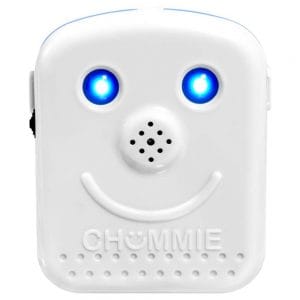
Chummie Premium
A wearable option with sound, light and vibration alerts for sleepers who need a strong multi-alert response.
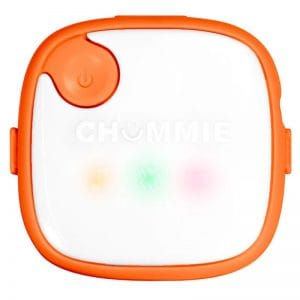
Chummie Elite
A compact child-friendly wearable designed for straightforward nightly setup and moisture detection.
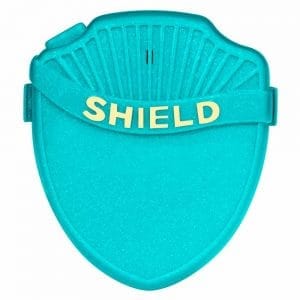
Shield Max
A lightweight clip-style alarm suited to users who prefer a smaller wearable alarm unit.
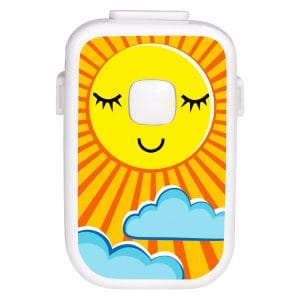
Smart Alarm
A colorful wearable design that can make alarm training feel more approachable for younger users.
Frequently Asked Questions
Should we increase the volume beyond the manufacturer’s setting?
No. Use only approved settings and configurations. Parents can provide the additional waking assistance a deep sleeper needs.
Can a dirty sensor cause missed or false alarms?
Yes. Residue and retained moisture can affect some sensors. Follow the device-specific cleaning and drying instructions.
Should we change alarms immediately if the child is still wet?
Not necessarily. First confirm correct setup, consistent response and adequate training time. A different alarm may help if comfort or alert type is unsuitable.
Who handles warranty or replacement questions?
Contact the seller or manufacturer named on the product documentation. Stop Bedwetting does not service alarm hardware.
Review the Complete Nighttime Routine
Correct use and a consistent response are essential before evaluating results.
Medical note: Troubleshooting a device does not replace evaluation of persistent or concerning urinary symptoms by a qualified healthcare professional.