
Bedwetting Alarm vs. Pull-Ups
Understand the difference between active alarm training and absorbent nighttime protection—and when each approach may make sense.
Bedwetting Alarm vs. Pull-Ups: The Essential Difference
Bedwetting alarm
A moisture sensor activates at the beginning of wetting. The child or adult wakes, finishes in the bathroom, resets the system and repeats the routine over time. The goal is to strengthen the connection between a full bladder, moisture detection and waking.
Pull-ups
Absorbent nighttime underwear contains urine, protects clothing and bedding, and can simplify cleanup. Pull-ups do not detect the start of wetting or actively train the sleeper to respond to a bladder signal.
Neither option should be used as punishment, and neither determines whether a child is mature. Bedwetting is involuntary. The right approach depends on age, readiness, health factors, sleep pattern, family capacity, social circumstances and whether the immediate goal is active training or discreet protection.
How a Bedwetting Alarm Works
A bedwetting alarm uses a moisture sensor placed near the expected first drops of urine or, in a bedside system, a sensing surface positioned on the bed. When moisture is detected, the system produces sound, vibration, light or a combination of alerts. The sleeper is guided to wake, stop urinating when possible, use the bathroom, change, reset the alarm and return to sleep.
The early goal is not an instantly dry bed. Progress may begin with the child waking to the alarm after previously sleeping through it, producing a smaller wet area, reaching the bathroom sooner or eventually waking before the alarm activates. Deep sleepers commonly need immediate caregiver assistance during the first part of training.
Consistency matters. An alarm is most suitable when the user is motivated, the household can respond every night and the family can follow the routine for a sustained period. Learn more in our guide to how bedwetting alarms work and how to choose one.
What Pull-Ups Do Well
Pull-ups can reduce laundry, protect a mattress, make travel easier and help a child participate in sleepovers or camps with greater privacy. They may also be appropriate while a family is waiting for medical advice, managing illness, taking a break from alarm training or choosing not to begin active treatment yet.
Using protection is not failure. A calm, practical approach is better than forcing an alarm program when the child strongly resists or the family cannot respond consistently. The limitation is that absorbent underwear generally manages the wetness rather than creating an immediate moisture-and-waking learning sequence.
When an Alarm May Be the Better Choice
An alarm may be a particularly logical next step for an older child who is bothered by bedwetting and ready to participate. Readiness is more important than choosing an arbitrary birthday. Parents should explain the routine without shame and praise participation rather than rewarding only dry nights.
When Pull-Ups May Be the Better Choice
Pull-ups may be the more practical immediate choice when a young child is not ready for alarm training, the household cannot reliably wake and assist, the child is ill, the family is traveling, or discretion is temporarily more important than active training. They can also protect sleep and bedding while the family seeks evaluation for new or complicated symptoms.
Some children feel embarrassed by absorbent underwear, while others feel reassured by it. Use neutral language and involve an older child in the decision. The product should be treated as nighttime protection, not as evidence that the child is “a baby.”
Can an Alarm and Pull-Ups Be Used Together?
They can, but the setup must allow the alarm sensor to detect moisture promptly. Highly absorbent material may draw moisture away from a wearable sensor or delay activation if the sensor is positioned incorrectly. Families should follow the alarm manufacturer’s instructions rather than improvising a placement that reduces detection.
Some families use an alarm during regular home training and pull-ups for an occasional sleepover, camp or trip. Others place an alarm sensor according to its instructions while also using protective bedding. The key is to distinguish active training nights from nights when protection is the main goal.
A temporary return to protection does not erase progress. After travel, illness or a stressful period, the family can restart the established alarm routine calmly.
Cost Over Time
Pull-ups involve a recurring purchase. The monthly cost depends on size, brand and frequency of use, and it continues for as long as nighttime protection is needed. An alarm usually has a higher initial price but can be reused through the training period. Bedside systems that use disposable sensing mats may also involve an ongoing supply cost.
Cost should not be the only factor. A lower-priced alarm that the child refuses to wear is not good value, and a convenient protective product may be worthwhile during travel. Compare the complete routine: initial product cost, batteries or replacement mats, laundry, cleaning, comfort and the family’s ability to use the approach consistently.
Choosing an Alarm Instead of Pull-Ups
Start by deciding whether the user prefers a wearable sensor or a bedside sensing surface. Consider sound, vibration, light, sensor comfort, shutoff method, cleaning, shared sleeping spaces and how much caregiver help will be available. Our alarm reviews and editorial ratings compare several designs in more detail.
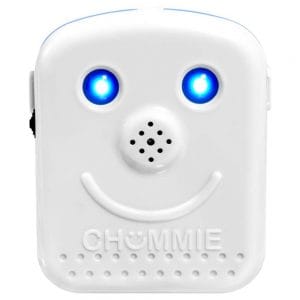
Chummie Premium
A strong all-around wearable with layered alerts and a reusable flexible sensor.
View alarm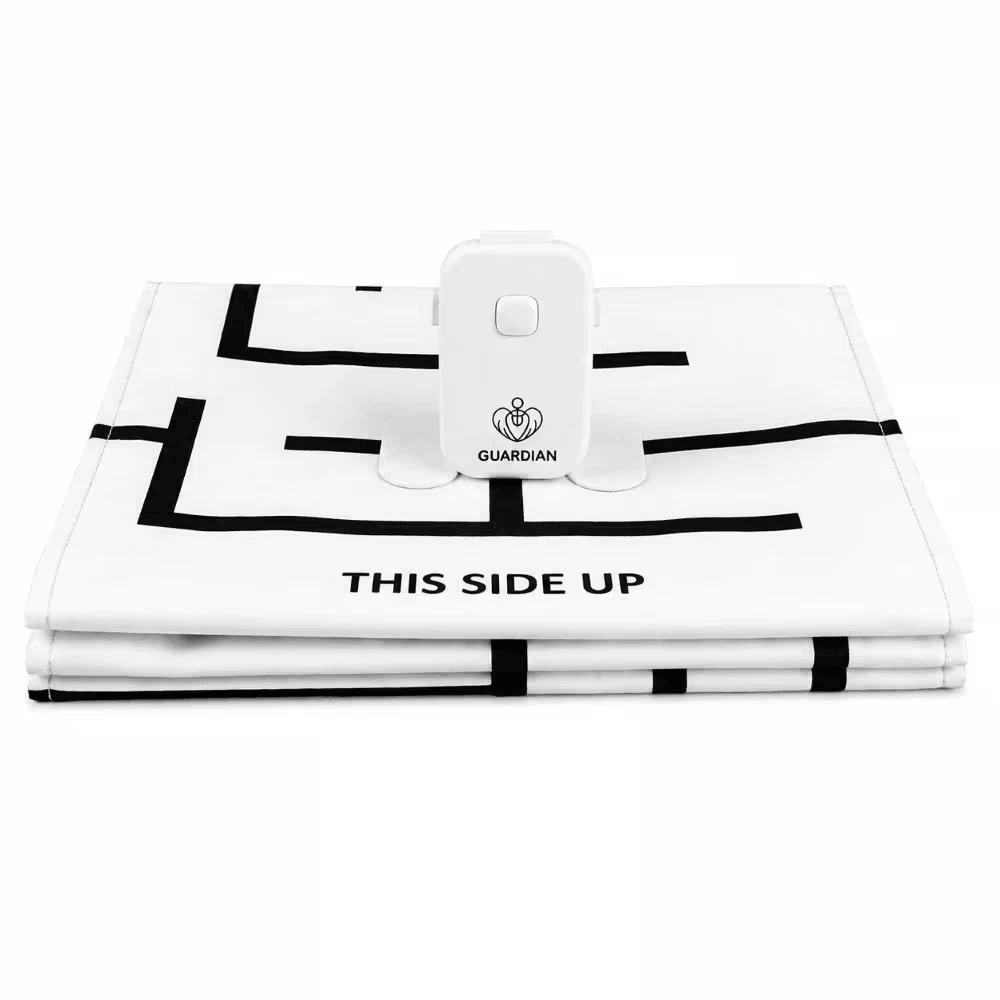
Guardian
A bedside option for users who prefer a sensing mat rather than an attached moisture sensor.
View alarm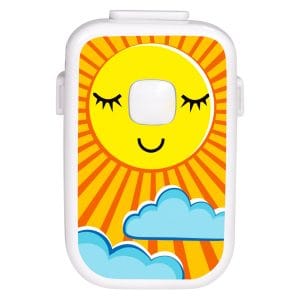
Smart Alarm
A colorful child-friendly wearable with multiple alert options and practical value.
View alarm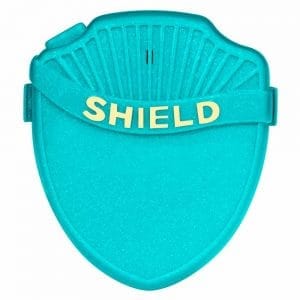
Shield Max
A straightforward wearable format for families who value an uncomplicated routine.
View alarmAge, Privacy and Emotional Support
A five- or six-year-old may need reassurance and may not yet be ready to participate in alarm training. An eight- to twelve-year-old may be highly motivated but worried about sleepovers. A teenager may prioritize discretion and control over who knows. An adult with new bedwetting needs medical evaluation before treating the issue as a simple product-selection question.
Across every age, avoid blame, teasing, public discussion and punishment. Invite age-appropriate participation in preparation and cleanup without turning those tasks into consequences. Our bedwetting-by-age guide explains how the approach changes across life stages.
When to Seek Medical Advice
Discuss bedwetting with a healthcare professional when it begins again after a sustained dry period or occurs with pain, burning, fever, unusual urine, significant daytime urgency or accidents, severe constipation, unusual thirst, weight change, loud snoring, breathing pauses, weakness or other concerning symptoms. Even without warning signs, professional guidance is appropriate when persistent wetting causes distress or the family is uncertain about treatment.
Neither pull-ups nor an alarm identifies an underlying medical cause. They are management and training tools used within a broader plan.
Frequently Asked Questions
Do pull-ups make bedwetting worse?
Pull-ups manage wetness but do not usually create the immediate moisture-and-waking sequence used in alarm training. They do not mean a child is lazy or unwilling to stay dry. The best choice depends on readiness and the family’s current goal.
Do bedwetting alarms work through pull-ups?
Absorbent material can delay moisture reaching a sensor if placement is incorrect. Follow the alarm manufacturer’s instructions for sensor positioning and compatible clothing or protection.
Should we stop pull-ups before starting an alarm?
Not always. Some families transition directly, while others keep protective bedding or use protection for travel. Decide how the alarm will detect promptly and establish a consistent training routine.
Are alarms better for older children?
Older children may be better able to understand and participate, but motivation and family support matter more than age alone. Younger children vary in readiness.
What if my child sleeps through the alarm?
A caregiver may need to respond immediately and wake the child fully during the first stage. The child should complete the bathroom and reset sequence rather than having the adult simply silence the alarm.
Can pull-ups be used for sleepovers during alarm training?
Yes. Temporary protection for a sleepover or camp can preserve privacy without cancelling progress made during regular home training.
Which option creates less laundry?
Pull-ups generally reduce bedding cleanup. Alarm training may involve wet clothing or bedding, especially early in the process, although protective layers can simplify changes.
Does an alarm guarantee permanent dryness?
No. Results vary, and no alarm can guarantee a specific outcome or timeline. Correct setup, consistent use, readiness, caregiver support and health factors all matter.
Choose the Goal Before the Product
Use pull-ups when the immediate need is protection and convenience. Consider an alarm when the user is ready for active learning and the family can support a consistent response. Continue with our complete alarm guide or reviewed alarm comparison.