
Bedwetting Alarm Insurance Coverage
Some health plans may reimburse an enuresis alarm when medical-necessity requirements are satisfied. Coverage is never automatic, so families should verify benefits before purchasing and keep the documentation their plan requires.
Are Bedwetting Alarms Covered by Insurance?
Coverage varies significantly. A private health plan, employer plan or Medicaid program may treat a bedwetting alarm as durable medical equipment or as a medical supply, while another plan may exclude it or require the purchase to be made through an approved supplier. Even within the same insurance company, two benefit plans can reach different decisions.
The safest approach is to call the member-services number printed on the insurance card before ordering. Ask the representative to check the specific plan document rather than giving only a general answer about the insurance company. Record the date of the call, representative’s name and any reference number provided.
HCPCS Code Commonly Associated With Enuresis Alarms
HCPCS S8270
Description: Enuresis alarm, using auditory buzzer and/or vibration device.
Possible diagnosis code: ICD-10-CM N39.44, nocturnal enuresis. A healthcare professional and the insurer determine which diagnosis and billing information apply to the individual claim.
Providing a code does not establish coverage. Some plans do not recognize S-codes, some require prior authorization, and some reimburse only when an in-network durable medical equipment supplier provides the device. One example is Aetna’s clinical policy, which lists S8270 as potentially covered when specified selection criteria are met. Families should never assume that another insurer uses identical criteria.
Questions to Ask the Insurance Company
- Does my plan cover an enuresis alarm under HCPCS S8270?
- Is it covered under durable medical equipment, medical supplies or another benefit?
- Is prior authorization required before purchase?
- Must a pediatrician, urologist or other clinician prescribe the alarm?
- Is a Letter of Medical Necessity required?
- Must the device come from an in-network DME supplier?
- Can I buy it myself and submit a member reimbursement claim?
- What deductible, coinsurance, dollar limit or age requirement applies?
- Which claim form and supporting records must be submitted?
- What is the filing deadline for reimbursement or appeal?
How to Request Reimbursement
Verify coverage first
Call the plan before buying. Confirm S8270, supplier restrictions, prior authorization and the exact documentation required.
Arrange a clinical evaluation
A clinician may need to evaluate the bedwetting, rule out contributing conditions and document why an alarm is appropriate.
Obtain supporting documents
Request a prescription or order and, when required, a signed Letter of Medical Necessity describing the diagnosis and expected use.
Purchase through the required channel
Use an in-network supplier if the plan requires one. If self-purchase is permitted, obtain a detailed invoice and proof of payment.
Submit the member claim
Include the claim form, itemized receipt, prescription, medical-necessity letter and any authorization number requested by the plan.
Review and appeal if appropriate
If denied, ask for the denial reason and appeal instructions. A clinician may be able to clarify medical necessity or correct missing information.
What a Letter of Medical Necessity May Include
A Letter of Medical Necessity is completed and signed by the treating healthcare professional. It may identify the patient, describe the diagnosis and frequency of nighttime wetting, summarize relevant evaluation, explain why an alarm is recommended and identify the requested device or HCPCS code. The insurer may have its own form or wording requirements.
Families should not create or sign medical documentation on behalf of a clinician. A sample can help organize the request, but the treating professional must decide whether the statements are accurate and medically appropriate.
What Documentation Should You Keep?
Keep the prescription, medical-necessity letter, prior-authorization decision, itemized invoice, proof of payment, product description, claim form, submission confirmation and all insurer correspondence. If a reimbursement request is denied, these materials make it easier to identify what is missing and prepare an appeal.
HSA and FSA Reimbursement
Health Savings Account and Flexible Spending Account rules are separate from ordinary insurance coverage. Eligibility can depend on the plan administrator and the medical purpose of the purchase. Ask the HSA or FSA administrator whether an enuresis alarm qualifies and whether a prescription or Letter of Medical Necessity is needed. Keep the same detailed records used for an insurance claim.
Four Bedwetting Alarms to Compare
The right alarm depends on the sleeper’s age, comfort preferences and response to sound and vibration. These four wearable choices provide a practical starting point for comparison.
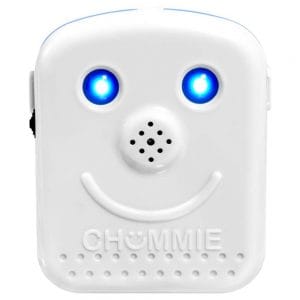
Chummie Premium
A wearable option with sound, light and vibration alerts for sleepers who need a strong multi-alert response.
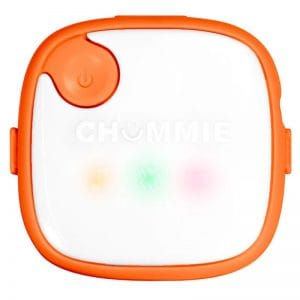
Chummie Elite
A compact child-friendly wearable designed for straightforward nightly setup and moisture detection.
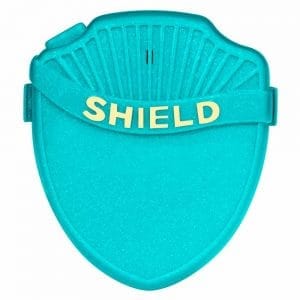
Shield Max
A lightweight clip-style alarm suited to users who prefer a smaller wearable alarm unit.
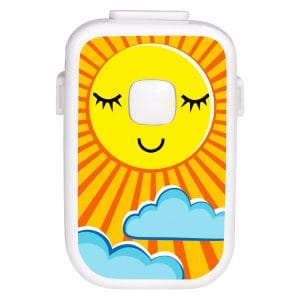
Smart Alarm
A colorful wearable design that can make alarm training feel more approachable for younger users.
Frequently Asked Questions
Does an HCPCS code guarantee payment?
No. A code identifies a category of item for billing purposes; it does not override exclusions, deductibles, prior authorization, medical-necessity criteria or supplier-network requirements.
Can I submit a claim after buying online?
Possibly, but only if the plan allows member reimbursement and the seller or invoice satisfies its rules. Verify this before purchasing.
Will Stop Bedwetting submit the claim?
No. Stop Bedwetting provides general educational information. Claims must be handled through the insurer, the actual seller or an eligible medical-equipment supplier.
What if coverage is denied?
Request the written reason, compare it with the plan document and follow the appeal instructions. Do not assume that every denial can be overturned.
Compare Bedwetting Alarm Options
Review several alarm styles and features before discussing reimbursement requirements with your plan.
Medical and insurance disclaimer: This page is general education only and is not medical, legal, tax or insurance advice. Codes and benefit rules may change. Confirm all requirements directly with the insurer, plan administrator and treating healthcare professional.