
Do Bedwetting Alarms Work?
Bedwetting alarms are an established training option for nighttime wetting, but success depends on consistent use, correct setup, child readiness and active family support.
How a Bedwetting Alarm Is Intended to Help
A moisture sensor detects the first sign of urine and activates an alert. The child is then helped to wake fully, use the bathroom, change if necessary and reset the alarm. Repeating this sequence is intended to strengthen the connection between bladder signals, waking and holding urine long enough to reach the toilet.
The first useful change is not always a completely dry night. Progress can begin with the alarm activating later, a smaller wet patch, the child stopping the urine stream, waking with less parental assistance or independently using the bathroom before the sensor becomes wet.
How Effective Are Bedwetting Alarms?
Health organizations recognize moisture alarms as a standard treatment option and often favor them when a family is seeking a non-drug method with a long-term training objective. Results in research and clinical guidance vary because children differ in age, wetting frequency, motivation, sleep response, bladder capacity and underlying health factors.
Published percentages should be interpreted carefully. A study’s definition of success may mean fewer wet nights, a period of consecutive dry nights or lasting dryness after treatment ends. Families should focus on whether the child is making measurable progress and whether the routine is sustainable.
What to Expect During Alarm Training
Learning the routine
Parents may do most of the waking. False starts, incorrect sensor placement and disrupted sleep are common while the family learns the system.
Changes before dryness
The wet area may become smaller, the event may happen later, or the child may respond faster even if accidents continue.
Less parental assistance
Over time, some children begin waking to the alert independently or waking before the alarm activates.
Consolidating the result
Families should follow appropriate guidance on how long to continue after dryness rather than stopping after one or two successful nights.
How Long Does It Take?
Alarm training generally takes weeks rather than days. Mayo Clinic advises that it may take one to three months to see a response and up to 16 weeks to achieve dry nights. That range is guidance, not a promise. Some children progress sooner, while others need reassessment or a different approach.
Consistency matters more than rushing. Skipping nights, leaving the sensor poorly positioned or allowing the alarm to sound without completing the bathroom routine can weaken the learning sequence.
Factors That Can Improve the Chance of Success
- The child wants to work toward dryness and understands the purpose of the alarm.
- The alarm is tested and used correctly every night.
- The sensor is positioned where the first moisture is likely to occur.
- A parent is prepared to help a deep sleeper wake fully during the early stage.
- The child completes the bathroom, changing and alarm-reset routine.
- Progress is tracked without pressure, blame or punishment.
- Constipation, daytime symptoms or other health concerns are addressed.
- The family allows enough time before judging the treatment.
Why an Alarm May Appear Not to Work
The child may be sleeping through the alert, the sensor may be placed too far from the first point of wetness, absorbent clothing may delay detection, the batteries may be weak or the family may stop before a conditioned response develops. These are practical problems that can often be addressed through troubleshooting.
An alarm can also be the wrong treatment for a particular situation. Daytime wetting, pain with urination, unusual thirst, constipation, snoring, recurrent infections or bedwetting that suddenly returns after six dry months can signal the need for clinical evaluation.
What Counts as Success?
A dry calendar is important, but it is not the only measure. Helpful interim outcomes include fewer wet nights, smaller accidents, later wetting, faster waking and increased independence. The final objective is stable nighttime control, not simply learning to sleep through an alarm or depending permanently on parental waking.
What About Relapse?
Some children experience wet nights again after an initial dry period, particularly during illness, stress or routine changes. A setback does not erase previous progress. Families can review contributing factors and discuss whether a brief return to alarm training or clinical reassessment is appropriate.
Four Bedwetting Alarms to Compare
The right alarm depends on the sleeper’s age, comfort preferences and response to sound and vibration. These four wearable choices provide a practical starting point for comparison.
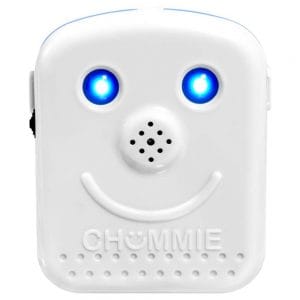
Chummie Premium
A wearable option with sound, light and vibration alerts for sleepers who need a strong multi-alert response.
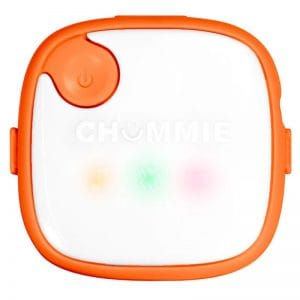
Chummie Elite
A compact child-friendly wearable designed for straightforward nightly setup and moisture detection.
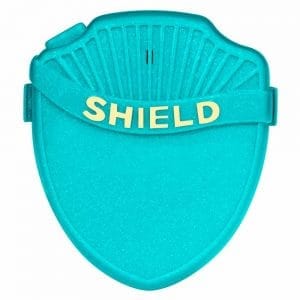
Shield Max
A lightweight clip-style alarm suited to users who prefer a smaller wearable alarm unit.
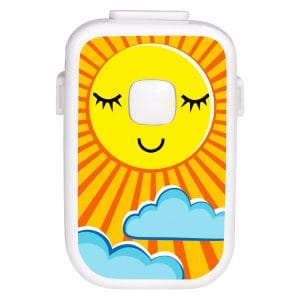
Smart Alarm
A colorful wearable design that can make alarm training feel more approachable for younger users.
Frequently Asked Questions
Will the alarm wake a deep sleeper?
Not always at first. Parents commonly need to wake the child fully and guide the routine until the child begins responding more independently.
Should we stop if no dry night appears in the first week?
No. One week is usually too soon to judge. Look for smaller changes and confirm that setup and response are correct.
Can an alarm guarantee permanent dryness?
No treatment can guarantee the same outcome for every child. Alarms require commitment and may not address an underlying medical issue.
Is a more expensive alarm automatically more effective?
No. Reliable moisture detection, an alert suited to the sleeper, comfort, correct placement and consistent use are more important than price alone.
Use the Alarm Correctly
Follow a consistent nighttime routine and avoid the common mistakes that delay progress.
Medical note: This information does not replace evaluation by a qualified healthcare professional. Seek professional advice for concerning symptoms, secondary bedwetting or persistent difficulty.