
When to See a Doctor About Bedwetting
Bedwetting is common, but certain patterns deserve professional attention. This guide explains which symptoms require prompt care, what information to collect and how a clinician may evaluate nighttime wetting.
When Bedwetting Is Usually Developmental
Many young children develop nighttime dryness later than daytime control. Occasional wet nights without pain, daytime symptoms or illness are often part of normal development. A child who has never been consistently dry may simply need additional time for bladder storage, nighttime hormone patterns and waking responses to mature.
Even when there are no warning signs, families can raise the issue at a routine pediatric visit. A clinician can review the child’s age, frequency of wetting, bowel habits, sleep, fluid pattern and family history. Seeking advice is especially reasonable when bedwetting is upsetting the child, disrupting family sleep or limiting camps and sleepovers.
Arrange Medical Care Promptly When:
- Bedwetting begins again after the child had been dry for six months or longer.
- Urination causes pain, burning or significant discomfort.
- The child has fever, foul-smelling urine, blood in the urine or appears unwell.
- There is unusual thirst, unexplained weight loss or much more frequent urination.
- Wet accidents also occur regularly during the day.
- The child has a weak urine stream, dribbling or difficulty starting urination.
- Loud snoring, gasping or pauses in breathing occur during sleep.
- There is persistent constipation, stool leakage or abdominal pain.
- An older child, teenager or adult develops new nighttime wetting.
Three Common Situations
Never consistently dry
This is often primary nocturnal enuresis. A routine evaluation can confirm whether alarm training, habit changes or watchful waiting is appropriate.
Wetting returned
Secondary bedwetting should be discussed with a clinician because medical, bowel, sleep or emotional factors may have changed.
Other symptoms present
Daytime wetting, pain, excessive thirst, breathing problems or illness require medical review rather than treating the issue only as an alarm-training problem.
Why Daytime Symptoms Matter
Bedwetting that occurs alone is sometimes called monosymptomatic nocturnal enuresis. When urgency, frequent bathroom trips, holding behaviors, daytime leakage or recurrent urinary infections are also present, the evaluation may be different. Tell the clinician about every urinary symptom, even when the appointment was scheduled specifically for nighttime wetting.
Constipation Can Be Easy to Miss
The bowel and bladder share limited space and connected nerve pathways. Stool retention can affect bladder capacity and urgency. A child may be constipated despite passing some stool each day. Hard or painful bowel movements, very large stools, skipping days, abdominal discomfort or underwear staining are useful details to report.
What Will the Doctor Ask?
A healthcare professional may ask when the bedwetting started, whether the child has ever been dry, how many nights are wet, what time accidents occur, whether there are daytime symptoms, and whether the child wakes after wetting. Questions about bowel movements, sleep, snoring, thirst, medications, stress and family history are also common.
A physical examination and urine test may be recommended depending on the history. More extensive testing is not always necessary. The clinician decides what is appropriate for the individual child.
Prepare for the Appointment
- Record wet and dry nights for one to two weeks.
- Note daytime bathroom frequency and urgency.
- List pain, burning, thirst or urine changes.
- Track bowel movement frequency and consistency.
- Describe snoring or breathing pauses.
- Bring a current medication list.
- Note when the child last had sustained dryness.
- Write down previous methods and alarm use.
Should You Start an Alarm Before the Visit?
If bedwetting is the only symptom and the child is old enough, motivated and otherwise well, families may discuss alarm training with their pediatrician or begin after reviewing reliable instructions. However, an alarm should not delay medical evaluation when warning signs are present. It detects moisture; it does not diagnose infection, diabetes, constipation, sleep apnea or other conditions.
If an alarm has been used correctly for several weeks without any measurable progress, review the setup and routine. A clinician can help determine whether constipation, inconsistent use, poor waking support or another factor is interfering.
Four Bedwetting Alarms to Compare
After medical concerns have been addressed, these wearable choices provide different alert styles and designs for a consistent alarm-training routine.
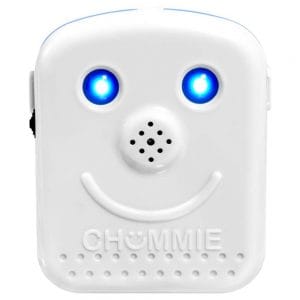
Chummie Premium
A multi-alert wearable option for sleepers who may require a stronger waking response.

Chummie Elite
A simple child-friendly design for nightly moisture detection and alarm training.

Shield Max
A smaller clip-style alarm for users who prefer a lightweight wearable unit.

Smart Alarm
A colorful wearable that can make the training routine feel more approachable.
How Parents Can Protect a Child’s Confidence
Speak about bedwetting as a health and development issue, not a behavior problem. Keep the conversation private, avoid punishment and include the child in age-appropriate cleanup without turning it into a consequence. Praise actions the child can control—using the toilet before bed, helping set the alarm and completing the nighttime routine.
Understand Why Bedwetting Happens
Review the developmental, sleep, bowel and health factors that can contribute.
Medical disclaimer: General education only. This page does not diagnose or treat any condition. Seek urgent care for severe illness or symptoms that concern you, and consult a qualified healthcare professional for personalized advice.