
Bedwetting Treatment Options: Alarms, Medication and Home Strategies
There is no single plan that fits every child. Effective care begins by understanding the bedwetting pattern, checking for contributing health conditions and choosing an approach the child and family can follow consistently.
Start With the Pattern, Not the Product
Bedwetting, medically called nocturnal enuresis, is involuntary urination during sleep after the age when nighttime bladder control usually develops. Primary bedwetting means a child has never remained consistently dry for an extended period. Secondary bedwetting means wetting returned after at least several months of dryness. That distinction matters because returning bedwetting should be evaluated for changes involving the urinary system, bowel habits, sleep, general health or emotional stress.
Before choosing treatment, consider the child’s age, motivation, frequency of wet nights, daytime urinary symptoms, constipation, snoring, medications and family goals. A family preparing for camp next week may need a different short-term strategy than a family seeking durable improvement over several months.
Foundation
Supportive routines, daytime hydration, regular toileting and constipation management.
Alarm training
A moisture-triggered learning process intended to build a lasting waking response.
Medication
Prescription treatment that may reduce wetting, particularly for selected situations.
Medical care
Evaluation and treatment of infection, diabetes, sleep disorders or other contributing conditions.
Home Strategies That Support Treatment
Home strategies rarely produce instant results by themselves, but they create a healthier foundation. Encourage adequate fluids earlier in the day rather than restricting water excessively. Have the child use the bathroom regularly during waking hours and again immediately before bed. Make the route to the bathroom clear, use a night-light if helpful and keep clean sleepwear accessible.
Review constipation honestly. Hard stools, painful bowel movements, holding behaviors, very large stools or underwear staining can suggest stool retention. Because constipation can affect bladder function, a clinician may recommend treating it before or alongside alarm training.
Rewards should focus on actions within the child’s control: using the toilet before bed, helping set the alarm, responding when it activates and completing the morning record. Rewarding only dry nights can make a child feel responsible for an involuntary event. Never punish, shame or compare siblings.
Bedwetting Alarm Treatment
Best suited for:
A motivated child and family seeking a non-drug approach with the potential for lasting learning.
How it works
A moisture sensor activates at the first sign of wetness. The child must wake fully, go to the bathroom, change wet clothing, reset the device and return to sleep. With repetition, the sleeping brain may begin responding earlier to bladder signals.
What families should expect
Progress is usually measured in weeks, not days. Deep sleepers may require a parent to hear the alarm and wake them during the early stage. Consistent nightly use is essential.
An alarm is not simply a device that tells a parent the bed is wet. The response sequence creates the training. If a parent turns off the alarm while the child remains asleep, the learning opportunity is lost. Families should practice the steps during the day before the first night.
Set up correctly
Place the sensor where the first moisture will reach it and attach the alarm as the manufacturer directs.
Wake fully
Help the child sit or stand, open their eyes and respond verbally rather than remaining half asleep.
Complete the routine
Use the toilet, change wet items, clean the sensor as directed and reset the alarm.
Track progress
Record smaller wet spots, later alarms, easier waking, fewer wet nights and independent bathroom trips.
Medication for Bedwetting
Desmopressin is a prescription medicine that reduces urine production overnight. A clinician may consider it for short-term dryness during sleepovers or camp, or for selected children who have not responded to other strategies. It can work quickly for some users, but wetting may return after medication stops because the medicine does not necessarily train a waking response.
Fluid-safety directions are critical with desmopressin. Families must follow the prescriber’s instructions about drinking before and after the dose and when to withhold medication during illness. Other medicines are used less commonly and require individualized medical supervision. Never use another person’s prescription or change the dose without the prescriber.
Alarm vs. Medication
| Consideration | Alarm | Medication |
|---|---|---|
| Main purpose | Build a learned response to bladder signals | Reduce nighttime urine production or address a selected clinical need |
| Speed | Often requires weeks of consistent training | May reduce wet nights quickly for some users |
| After stopping | Successful training may provide more durable improvement | Relapse can occur when medicine is discontinued |
| Family effort | Requires nightly setup and response to activations | Requires exact dosing and safety instructions |
| Medical supervision | Recommended when symptoms or uncertainty exist | Required because it is prescription treatment |
When Combination Treatment May Be Considered
A clinician may sometimes combine an alarm with medication, particularly when a child needs short-term control while continuing long-term training. Combination treatment is not automatically better and should be individualized. Addressing constipation, daytime bladder symptoms or sleep-disordered breathing may also improve the likelihood that a bedwetting plan succeeds.
Treatments to Approach Carefully
Be cautious of programs promising a guaranteed cure in a fixed number of days. Lifting a sleeping child to the toilet may temporarily keep the bed dry, but it does not necessarily teach independent waking. Extreme fluid restriction is unsafe and can worsen constipation. Supplements, hypnosis and alternative approaches have variable evidence and should not replace evaluation of concerning symptoms.
How to Choose the First Step
If the child is young, unbothered and has no concerning symptoms, supportive routines and patience may be reasonable. If the child is motivated and the family can commit to nightly participation, alarm training is often a strong long-term option. If an immediate dry night is important for a special event, ask a clinician whether prescription treatment is appropriate. When daytime or general health symptoms are present, evaluation comes before self-treatment.
Four Bedwetting Alarms to Compare
Compare comfort, alert style, sensor setup and the support the sleeper may need. These four wearable options provide a practical starting point.
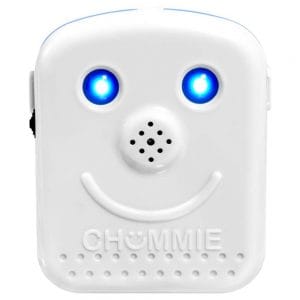
Chummie Premium
A multi-alert wearable option for sleepers who may need a stronger response during alarm training.
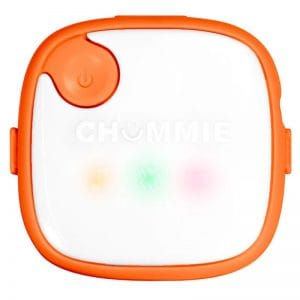
Chummie Elite
A child-friendly wearable designed for straightforward nightly setup and moisture detection.

Shield Max
A smaller clip-style alarm for users who prefer a lightweight wearable alarm unit.

Smart Alarm
A colorful wearable design that can make the nightly routine feel more approachable.
How Long Should a Treatment Trial Last?
A fair alarm trial requires correct setup, consistent use and adequate parent support. Do not judge the method after two or three nights. Review progress after several weeks and discuss the plan with a healthcare professional if nothing changes. Medication follow-up depends on the prescription and clinical plan. Home routines should be sustainable and should never make the child feel punished.
Build a Plan the Family Can Maintain
The technically “best” treatment will fail if it cannot be followed. Decide who responds to the alarm, where replacement bedding will be kept, how progress will be recorded and how the child will be encouraged. Revisit the plan calmly instead of changing methods every few nights.
Compare Alarm and Medication in Greater Detail
Understand the differences in timing, effort, relapse and appropriate use.
Medical disclaimer: General education only. This page does not diagnose, prescribe or replace care from a qualified healthcare professional. Medication and concerning symptoms require individualized medical advice.