
Bedwetting and ADHD
Children with attention-deficit/hyperactivity disorder may experience bedwetting more often and may need a more structured, parent-supported training plan. The issue is involuntary and should never be treated as defiance or carelessness.
A predictable setup, one short checklist and immediate positive feedback can make the nighttime routine easier for the entire family.
Is There a Connection Between ADHD and Bedwetting?
Research and clinical guidance recognize an association between ADHD and nocturnal enuresis, although one condition does not directly prove or explain the other. Developmental timing, sleep patterns, arousal, executive functioning, constipation and difficulty maintaining routines may overlap. Many children with ADHD never wet the bed, and many children who wet the bed do not have ADHD.
A child should not be labeled with ADHD because of bedwetting. ADHD is diagnosed through a comprehensive evaluation of attention, activity and impulse-control symptoms across settings. Likewise, bedwetting deserves its own history, including whether the child has ever been dry, whether daytime accidents occur and whether there are bowel or sleep symptoms.
Why the Nighttime Routine May Be Harder
Waking and arousal
Some children sleep through bladder signals and alarms. Medication timing, sleep debt and coexisting sleep conditions can also affect how easily a child wakes.
Executive functioning
Remembering multiple setup and reset steps can be difficult, particularly late at night when everyone is tired.
Consistency
Alarm learning depends on repetition. Missed nights, misplaced sensors or unfinished resets can interrupt the association being built.
Check for Other Contributing Factors
Constipation is common in children and can contribute to bladder symptoms. Ask about hard stools, painful bowel movements, holding behaviors, very large stools and underwear staining. Daytime urgency or leakage should also be reported to a healthcare professional.
Sleep deserves specific attention. Loud snoring, gasping, breathing pauses, restless sleep, morning headaches or marked daytime sleepiness may indicate sleep-disordered breathing. ADHD-like behaviors and poor sleep can overlap, so a clinician should evaluate concerning symptoms rather than assuming every difficulty is caused by ADHD.
Review all medications with the prescriber. Do not stop or change ADHD medicine because of bedwetting without medical direction. A clinician can consider dose timing, sleep effects, appetite, hydration and other individual factors.
Bedwetting Is Not Misbehavior
A child with ADHD may already hear frequent corrections during the day. Punishing an involuntary nighttime event adds shame without improving bladder control. Keep instructions neutral, short and repeatable. Praise participation rather than demanding perfect dryness.
How to Make Alarm Training More ADHD-Friendly
Use one visible checklist
Keep the sequence to four or five actions: toilet, attach sensor, test alarm, place clean clothes nearby and start the tracker.
Practice during the day
Rehearse what happens when the alarm sounds. The child can practice sitting up, turning it off, walking to the bathroom and resetting it.
Reduce searching and decisions
Store the alarm, sensor, clean underwear, sleepwear and towel in the same labeled location every night.
Use immediate feedback
Give brief praise after completing the routine. Delayed or vague rewards are often less meaningful than immediate recognition.
Keep tracking simple
Use one symbol for using the alarm, one for waking and one for completing the bathroom routine. Avoid a complicated scoring system.
Plan parent coverage
Decide which adult will respond to the alarm. The goal is to wake the child fully, not complete the routine while the child sleeps.
What Should Rewards Recognize?
Reward behaviors the child can control: setting up the device, using the toilet before bed, getting out of bed when helped, resetting the alarm and recording the night. A dry night may be celebrated, but it should not be the only path to success. This approach protects confidence during the weeks before bladder control improves.
Choose small, predictable rewards rather than expensive promises. Extra reading time, choosing breakfast, a sticker toward a family activity or selecting music can work. Ask the child what feels motivating. Change the reward if it loses meaning, but keep the target behavior consistent.
Helpful Responses
- “The alarm is helping your brain notice the signal.”
- “You completed every step tonight.”
- “Let’s reset and get comfortable again.”
- “Smaller wet spots are progress too.”
Responses to Avoid
- “You were too lazy to wake up.”
- “Why can’t you remember anything?”
- “Your sibling never had this problem.”
- “No reward unless the bed stays dry.”
How a Parent Should Respond When the Alarm Sounds
Go to the child promptly and use the same short cue every time. Turn on a light, have the child sit or stand and ask a simple question to confirm they are awake. The child should walk to the bathroom and finish urinating, then participate in changing wet items and resetting the alarm. Avoid long explanations in the middle of the night.
If the child repeatedly turns off the alarm without waking, move the alarm unit farther from the hand while following its safe setup instructions, increase parent involvement and consider a multi-alert model. Do not attach the device in an unsafe manner or place cables around the neck.
How Long Should Families Continue?
Alarm training generally requires weeks of consistent use. Look for changes beyond completely dry nights: later activations, smaller wet areas, fewer alarms, easier waking or the child waking before moisture occurs. If there is no progress after several weeks of correct use, review sensor placement, constipation, sleep and the response routine with a healthcare professional.
When Medical Advice Is Important
Consult a qualified healthcare professional when bedwetting begins after a sustained dry period, occurs with daytime wetting, pain, unusual thirst, weight loss, fever, frequent urination, constipation, loud snoring or breathing pauses. Ask for help when the issue is causing significant distress or the family cannot sustain the plan.
Four Bedwetting Alarms to Compare
Compare comfort, alert style, sensor setup and the support the sleeper may need. These four wearable options provide a practical starting point.
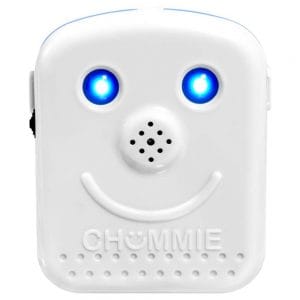
Chummie Premium
A multi-alert wearable option for sleepers who may need a stronger response during alarm training.
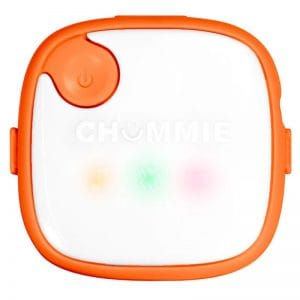
Chummie Elite
A child-friendly wearable designed for straightforward nightly setup and moisture detection.

Shield Max
A smaller clip-style alarm for users who prefer a lightweight wearable alarm unit.

Smart Alarm
A colorful wearable design that can make the nightly routine feel more approachable.
Choosing an Alarm for a Child With ADHD
Prioritize simple setup, reliable moisture detection, comfortable attachment and alerts the child can notice. Extra features are useful only if they support the routine. A combination of sound, vibration and light may help some sleepers, while others may become overwhelmed by too many stimuli. Involve the child in comparing options.
Medication and Bedwetting
ADHD medication does not substitute for bedwetting treatment, and bedwetting medication does not treat ADHD. A pediatrician may consider desmopressin for selected situations, but fluid-safety instructions are essential. Families should share a complete medication list and never combine or change prescriptions without medical advice.
Use a Clear Nightly Alarm Routine
Follow a simple step-by-step process that the child can practice and repeat.
Medical disclaimer: General educational information only. ADHD and bedwetting require individualized assessment. Do not diagnose, start, stop or adjust medication without a qualified healthcare professional.