
The short answer
Bedwetting alarms are generally considered a non-drug treatment option for appropriately selected children, teens and adults. They do not deliver electricity to the body. A moisture sensor triggers sound, vibration or light when wetness begins, creating a cue that supports nighttime bladder learning.
Safety depends on selecting a suitable device, following its instructions and using it with respectful adult supervision when needed. An alarm is not a substitute for medical assessment when symptoms suggest infection, diabetes, constipation, sleep apnea or another underlying condition.
Electrical and battery safety
Use only the battery type and power accessories specified by the manufacturer. Inspect the alarm, sensor and cord before each use. Stop using a device with exposed wire, cracked casing, corrosion, overheating or liquid inside the alarm unit. The moisture sensor is designed for detection; the alarm body itself should remain dry.
Keep spare batteries away from young children and dispose of used batteries responsibly. Do not modify the unit, splice the cord or connect an unapproved charger. If the alarm has a bedside receiver, place it on a stable surface where it cannot fall into water or be pulled onto the floor.
Cord, clip and sensor placement
Follow the manufacturer’s routing instructions carefully. Any connecting cord should remain outside sleepwear and away from the neck. The alarm unit is commonly attached near the shoulder or upper chest, while the sensor is secured near the expected first point of moisture. Do not improvise placements that create entanglement or discomfort.
The clip should be secure without pinching skin. Test the sensor while awake, then confirm that the child can remove and reset it. A parent should assist younger users. If the child has limited mobility, sensory differences or another disability, ask a clinician whether a different alarm configuration would be more appropriate.
Sound and vibration considerations
An alarm should be strong enough to create a reliable response but should not be placed directly beside the ear. Test volume during the day. If a child becomes frightened, lower the intensity if the device allows, introduce the sound gradually and use calm parental assistance. A harsh start can make the child reluctant to continue.
Vibration provides an additional cue and can be useful for people who sleep deeply or have hearing needs. It should feel noticeable, not painful. Stop using the device and contact the manufacturer if the alarm becomes unusually hot, activates unpredictably or produces a vibration inconsistent with its normal operation.
Skin comfort and cleaning
Moisture, urine residue, adhesive and friction can irritate sensitive skin. Clean and thoroughly dry reusable sensors according to product instructions. Do not use harsh chemicals unless approved by the manufacturer. Check the area where clips or adhesive contact clothing and skin, particularly during the first week.
Change wet clothing promptly and protect the mattress with a washable or disposable layer. If redness, rash, broken skin or persistent irritation develops, stop using the same setup until the cause is identified. A different sensor position, underwear style or alarm type may be more comfortable.
Safe family behavior is part of safe use
Never use an alarm to shame, startle intentionally or punish a child. Bedwetting is involuntary. Parents may need to wake a deep sleeper when the alarm sounds, but the response should remain calm and predictable. Reward participation in the routine rather than demanding dry nights.
Do not severely restrict daytime fluids. Encourage adequate daytime hydration, regular toileting and bathroom use before sleep. Fluid rules are different when prescription desmopressin is used; those instructions must come from the prescribing clinician because improper fluid intake can create medical risk.
When to ask a healthcare professional first
Seek advice before relying on an alarm when wetting begins suddenly after a long dry period, or when there is pain, fever, blood in urine, excessive thirst, weight loss, daytime urgency, weak urinary stream, recurrent infections, severe constipation, loud snoring or breathing pauses during sleep.
Also seek support if treatment is creating severe anxiety, family conflict or sleep disruption that cannot be managed. A pediatrician, urologist or continence professional can assess underlying factors and help decide whether an alarm, medication, combined treatment or watchful waiting fits the situation.
Buying and using a reliable alarm
Choose a device from a reliable seller that provides clear instructions, product support and replacement sensors or accessories. Review the intended age range, warranty, alert modes and cleaning requirements. Be cautious with unsupported claims that guarantee permanent dryness in a few days.
Keep the manual and order information. Test the alarm before each night, change batteries when alerts weaken and follow the recommended treatment period. Correct setup and consistent use are the best safety practices—and they also improve the chance of meaningful progress.
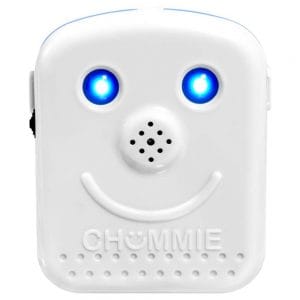
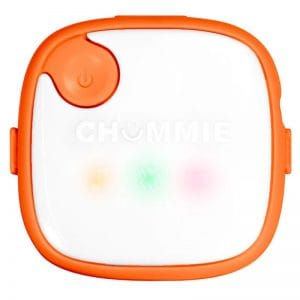
Four Bedwetting Alarms to Compare
The right alarm is the one the user can wear comfortably and use consistently. Compare alert styles, size, sensor design and nighttime routine before deciding.


Choose consistency over perfection
Bedwetting alarm training is a learning process. A calm routine, reliable setup and steady family support matter more than expecting immediate dry nights.
Compare Bedwetting AlarmsMedical note: This educational information is not a diagnosis or a substitute for care from a qualified healthcare professional. Seek medical advice for pain, excessive thirst, daytime urinary symptoms, constipation, snoring or sudden recurrence after a long dry period.