
Bedwetting in a 5-Year-Old: What Parents Should Know
At age five, nighttime dryness is still developing for many children. Learn what may be typical, when to ask for medical advice and how to judge whether a five-year-old is ready for a bedwetting alarm.
What matters at age five
Is Bedwetting Normal at Age Five?
Many five-year-olds are dry during the day before they are consistently dry at night. Sleep, bladder capacity and nighttime urine regulation mature on different schedules. Occasional or frequent wet nights do not automatically mean something is wrong.
Look at the complete pattern. Has the child ever stayed dry for six months? Are there daytime accidents, urgency, constipation, pain or unusual thirst? A child who has always wet at night is different from a child who suddenly starts after a long dry period.
Why a Five-Year-Old May Wet the Bed
A five-year-old may sleep through bladder signals, produce more urine overnight than the bladder holds or have a family tendency toward later nighttime dryness. Constipation is common and can affect bladder function. Changes at home or school may coincide with wetting, but emotional explanations should not replace a health review when symptoms are present.
What Parents Can Do First
Support regular daytime bathroom visits, encourage normal hydration earlier in the day and include a bathroom trip immediately before sleep. Treat constipation with professional guidance, protect the mattress and keep cleanup simple. Do not repeatedly wake the child on a fixed schedule as the only strategy without discussing whether it fits the family’s goals.
Keep a short diary for one or two weeks. Record wet nights, timing when known, daytime symptoms, bowel movements and drinks. The diary can make a pediatric discussion more precise.
Is a Five-Year-Old Ready for a Bedwetting Alarm?
Readiness is more important than the fifth birthday. A child may be ready when they ask for help, tolerate a sensor or mat, understand that the alarm means “wake and go to the bathroom” and can follow a simple routine with a parent.
For product-specific guidance, see bedwetting alarms for children.
Choosing an Alarm for a Five-Year-Old
Comfort and simple operation matter. A wearable sensor can detect close to the first moisture but requires a clip and possibly a cord. A bedside mat avoids equipment on clothing but must remain under the likely wetting area.
Consider sound plus vibration, a secure sensor, a low-battery warning, easy cleaning and a shutoff method that reduces accidental silencing. Colorful design may help acceptance, but reliable detection and a parent response plan are more important.
A Simple Three-Step Night Routine
Bathroom, sensor test, comfortable placement and dry clothes ready.
The parent wakes the child fully and walks with them to the bathroom.
Change, clean or replace the sensor and reconnect without blame.
Practice in daylight. Young children often need repeated help before they wake to the alarm independently. The parent should not simply switch off the device while the child sleeps.
Supporting Confidence at Age Five
Use neutral words, protect privacy and praise participation. Sticker charts should reward controllable actions such as using the bathroom before bed or helping attach the sensor—not only dry nights. Keep explanations short and reassuring.
If siblings comment, parents should stop teasing immediately and explain that bodies learn at different speeds. Sleepovers are not usually the central issue at five, but visits with relatives still require discreet packing and private cleanup.
When to Ask the Pediatrician
For broader context, visit the children’s bedwetting guide, age hub and alarm learning center.
Bedwetting Alarms to Compare for Younger Children
These wearable options show different sizes, alert combinations and price points. A five-year-old’s comfort and family support remain more important than the number of features.
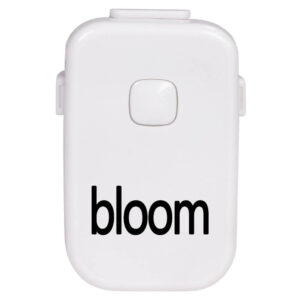
Bloom Bedwetting Alarm
A lightweight wearable option for families seeking a simple setup.
View Alarm
NewU Bedwetting Alarm
A basic wearable alarm for families comparing value and simplicity.
View Alarm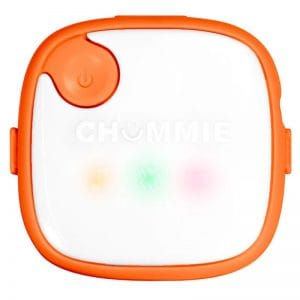
Chummie Elite
A colorful wearable alarm designed for a straightforward nightly routine.
View Alarm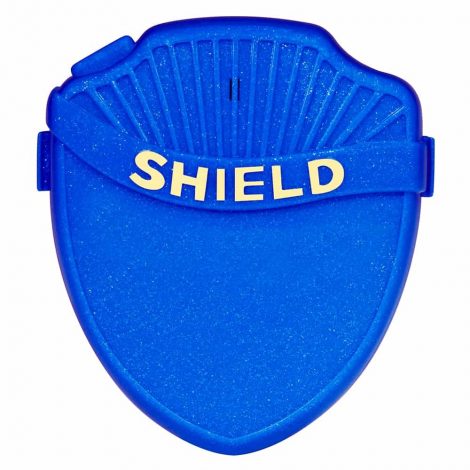
Shield Prime
A compact wearable alarm with several alert cues for nighttime training.
View Alarm