
Bedwetting in a 6-Year-Old: Causes and Practical Help
Six-year-olds are gaining independence, but nighttime bladder control may still be developing. Learn how to evaluate the pattern, support school-age confidence and decide whether alarm training fits.
A practical age-six plan
Bedwetting at Age Six
By age six, many children are dry most nights, while others continue to wet regularly. The frequency alone does not explain the cause. Parents should note whether the child has always wet at night, whether dryness ever lasted six months and whether daytime urgency, accidents or constipation are also present.
Starting school can increase a child’s awareness of being different. Reassure the child that nighttime wetting is involuntary and private. Avoid comparing progress with classmates or siblings.
Common Reasons a Six-Year-Old Wets the Bed
Nighttime bladder control depends on urine production, bladder capacity, sleep and the ability to wake. Family history and constipation are frequent contributors. Some children postpone bathroom visits during busy school days, which can complicate bladder habits.
A diary covering drinks, bathroom visits, wet nights and bowel movements can help a pediatric professional identify useful next steps.
Practical Steps Families Can Begin
Encourage regular daytime bathroom breaks, including at school when possible. Maintain normal hydration earlier in the day, use the bathroom before bed and manage constipation with professional guidance. Layer mattress protection so a wet bed can be changed quickly.
Invite the child to choose pajamas, place dry clothes nearby and mark the diary. These are constructive responsibilities. Do not require laundry or cleanup as a consequence for wetting.
Is Age Six a Good Time for a Bedwetting Alarm?
Some six-year-olds are ready for alarm training, especially when they want help and can follow a three-step routine. Others are frightened by alerts or strongly resist a clothing sensor. Readiness should be assessed individually.
Choosing a Bedwetting Alarm for a Six-Year-Old
Wearable alarms place the sensor close to the first moisture. Bedside alarms avoid equipment on clothing but depend on mat coverage and position. Sound plus vibration may help children who do not respond to one cue. Secure sensors, easy cleaning and low-battery warnings improve the nightly experience.
Let the child see and touch the alarm before purchase when possible. Appearance can encourage acceptance, but detection reliability and the family response plan should guide the decision. Compare more options in our children’s alarm guide.
The Nighttime Training Sequence
Bathroom, sensor placement, alarm test and supplies ready.
Wake fully, stand up and finish urinating in the bathroom.
Change, clean or replace the sensor and reset together.
Practice the sequence during the day. At first, a parent may need to call the child’s name, help them sit up and verify that they are truly awake. Gradually reduce assistance as the child responds more independently.
How to Recognize Progress at Age Six
Progress may include smaller wet areas, later alerts, faster waking or the child beginning to wake before the alarm. Reward participation and independence rather than only dry nights. A simple chart can record the routine without displaying private information where others can see it.
If the alarm repeatedly activates late, falls off or is silenced while the child sleeps, correct the process before assuming the product has failed. Seek individualized help when correct, consistent use produces no meaningful change.
When a Six-Year-Old Should Be Evaluated
Continue learning through our children’s overview, age hub and bedwetting alarm guide.
Bedwetting Alarms to Compare at Age Six
These four wearable alarms illustrate differences in alert combinations, size and design. Choose according to the child’s comfort, response and family routine.
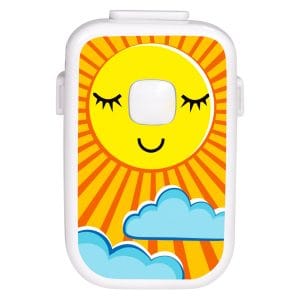
Smart Bedwetting Alarm
A simple wearable system to compare for fit, alerts and ease of use.
View Alarm
Shield Prime
A compact wearable alarm with several alert cues for nighttime training.
View Alarm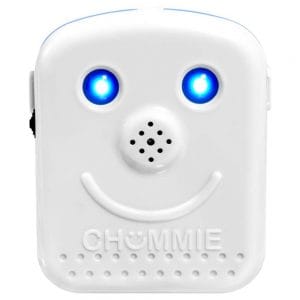
Chummie Premium
Sound, vibration and light alerts with an early-detection wearable sensor.
View Alarm
Bloom Bedwetting Alarm
A lightweight wearable option for families seeking a simple setup.
View Alarm