
Bedwetting in a 7-Year-Old: Treatment and Alarm Guidance
At age seven, persistent bedwetting often has a greater effect on confidence, sleepovers and family routines. Learn how to review causes, compare treatment paths and use a bedwetting alarm correctly.
Priorities at age seven
What Bedwetting Means at Age Seven
Bedwetting at seven is less common than at five, but it remains a familiar pediatric concern. Some children have never been consistently dry, while others begin wetting again after a long dry period. That history helps guide evaluation.
At this age, children often understand the social implications. They may avoid sleepovers or feel anxious that friends will discover the problem. Parents should address these concerns directly without making the child responsible for an involuntary symptom.
Why a Seven-Year-Old May Still Wet the Bed
Possible contributors include difficulty waking to bladder signals, higher nighttime urine production, limited nighttime bladder capacity, constipation and family history. Daytime urgency, holding urine at school or recurrent infections may point to additional bladder concerns.
Treatment Options for a Seven-Year-Old
A treatment plan may include education, healthy daytime bladder habits, constipation care, mattress protection, a bedwetting alarm and clinician-directed medication for selected situations. The right approach depends on symptoms, urgency of the family’s goal and the child’s willingness.
Absorbent products protect bedding but do not create the moisture-alert-waking sequence of an alarm. They can still be useful for travel or backup if they do not interfere with sensor detection.
Why Age Seven Can Be a Strong Time for Alarm Training
Many seven-year-olds can understand the purpose of the alarm, help attach the sensor and remember the bathroom sequence. Motivation may increase as sleepovers become more important. However, parents should not present the alarm as a deadline or punishment.
How to Choose a Bedwetting Alarm at Age Seven
For a deep sleeper, combined sound and vibration can provide more than one cue. A secure moisture sensor is important for children who move. A deliberate shutoff reduces accidental silencing, while simple cleaning and battery indicators make the routine easier.
A wearable alarm detects near the first wetness but attaches to clothing. A bedside alarm avoids a clothing clip and may feel more comfortable, although the sensing mat must remain in the correct area. Review our children’s alarm comparison and deep-sleeper guide.
Using the Bedwetting Alarm Correctly
Position and test the sensor so the first moisture produces an alert.
The child must become fully awake and finish urinating in the bathroom.
Change, reset and use the same complete routine every night.
Parents may need to help during the early stage. Do not switch off the device while the child remains asleep. Practice the full sequence while awake and keep the path to the bathroom safe and clear.
Sleepovers, Camp and School-Age Confidence
Create a private backup plan: discreet absorbent protection, a waterproof layer, spare clothing and sealable bags. Decide with the child whether one trusted adult should know. A portable wearable alarm may be used in a private setting, but the child should not be pressured to disclose the issue to friends.
Reward controllable behaviors and recognize partial progress. Avoid public sticker charts or conversations where siblings can hear. Confidence is more valuable than rushing toward an arbitrary deadline.
How Long Alarm Training May Take
Alarm training usually requires consistent use over weeks. Early improvement may be a later alarm, less wetness, faster waking or an occasional self-initiated bathroom trip. Track these signs instead of counting only dry nights.
If nothing changes, review sensor placement, false alarms, battery strength, comfort, waking completeness and constipation. Seek professional guidance before switching products repeatedly or continuing a routine that creates significant distress.
When a Seven-Year-Old Needs Medical Advice
Use our children’s guide, age hub and alarm learning center for further education.
Bedwetting Alarms to Compare at Age Seven
These four wearable and bedside choices illustrate differences in alert strength, comfort and sensor style. Match the device to the child’s sleep and routine.
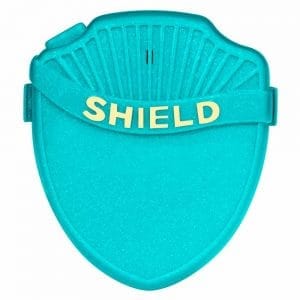
Shield Max
Strong sound and vibration alerts in a compact wearable design.
View Alarm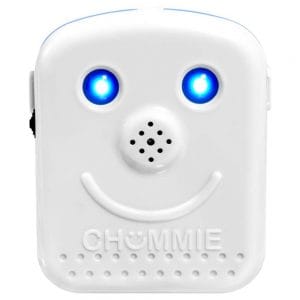
Chummie Premium
Sound, vibration and light alerts with an early-detection wearable sensor.
View Alarm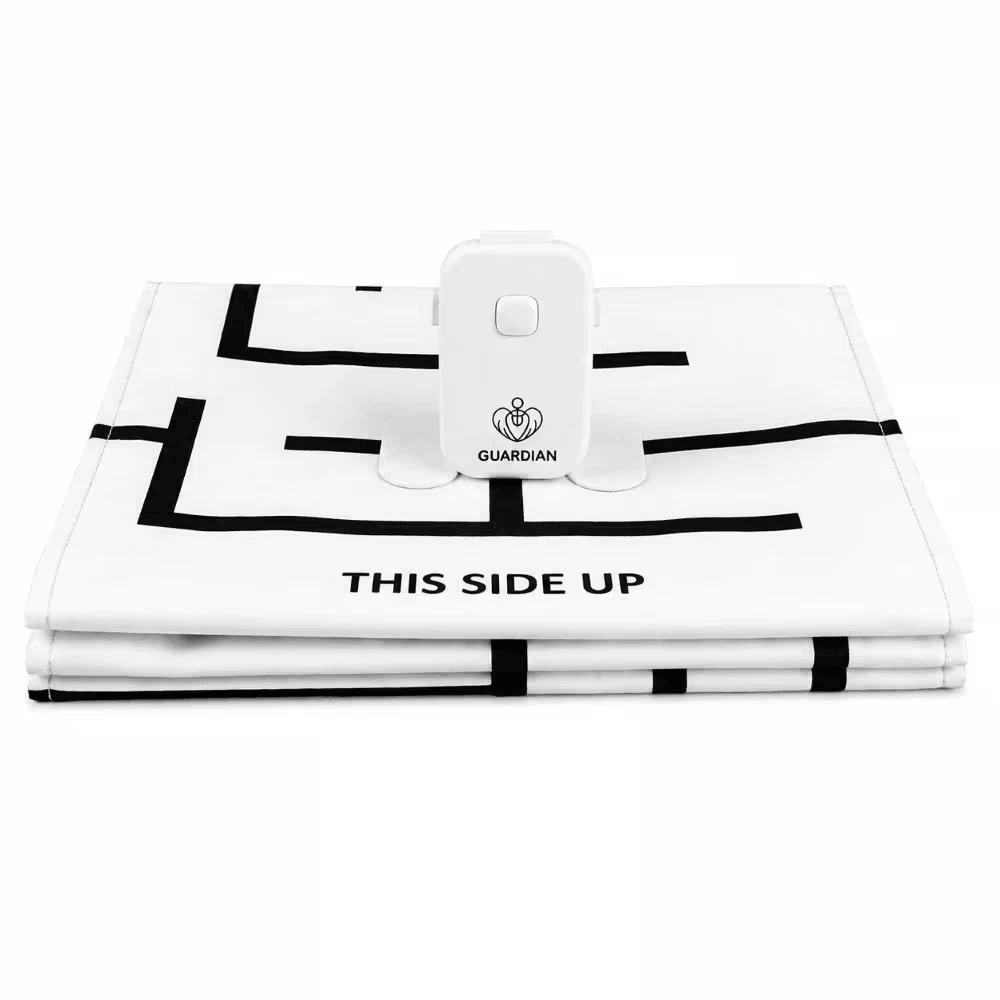
Guardian Bedside Alarm
A bedside system using hygienic disposable sensing mats.
View Alarm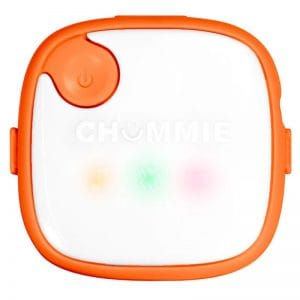
Chummie Elite
A colorful wearable alarm designed for a straightforward nightly routine.
View Alarm